Cheap protein foods are not always the ones with the lowest shelf price. A small pot of yogurt may cost less than a larger tub, but give you fewer servings. A bargain bag of beans is less useful if you do not have time to cook it. And a food that looks inexpensive per gram of protein may need a much larger portion than you want to eat.
Start by comparing lentils and beans, eggs, tofu, plain Greek yogurt, and canned fish. Then check the price, the protein on the actual label, and how much of the package you will use. Peanut butter can contribute protein too, but it works better as part of a meal than as a direct swap for every other protein food.
Here is a practical way to compare your options without turning grocery shopping into a complicated nutrition project.
Quick answer: what should you compare first?
- For a low-cost pantry base: check dried lentils and beans, then compare canned versions if they save you cooking time.
- For quick meals: compare eggs, tofu, yogurt tubs and canned fish using their labels, not their reputation as “high-protein” foods.
- For your real budget: consider the portion you enjoy, the food you might waste, and any extra ingredients needed to make a meal.
There is no permanent winner. Local prices, allergies, preferences and available cooking time can change the best choice.
How to calculate protein cost in two steps
You need three numbers: package price, servings per package, and grams of protein per serving. The FDA’s guide to the Nutrition Facts label explains how serving information relates to the amounts listed below it.
- Estimate protein in the package: servings per package × protein per serving.
- Compare the same amount of protein: package price ÷ estimated package protein × 20.
We use 20 grams as a comparison unit, not as a recommendation for every meal or a daily protein target. You could use 10 grams instead; the important thing is to use the same unit for each food.
For example, suppose a package costs $3, contains four servings, and lists 8 grams of protein per serving. That is about 32 grams in the package. The calculation is $3 ÷ 32 × 20, or about $1.88 per 20 grams of protein.
That does not mean you should eat two and a half servings. It simply lets you compare packages on a common basis. Then decide whether the food makes sense in the portion you actually eat.
Worked price examples—not a nationwide cheapest-food ranking
The examples below use prices displayed on U.S. online retailer pages reviewed on October 12, 2026, together with the named products’ nutrition-label information. Store selection, availability, promotions and later price changes can affect what you pay. These are not checkout quotes for your location. Delivery charges, taxes, cooking fuel and other meal ingredients are excluded.
| Example package | Displayed price | Label-based package protein | Approx. cost per 20 g |
|---|---|---|---|
| Great Value dried lentils, 1 lb | $1.92 | About 13 servings × 9 g = 117 g | $0.33 |
| Great Value plain nonfat Greek yogurt, 32 oz | $3.28 | About 5 servings × 17 g = 85 g | $0.77 |
How to read this: the lentil product label lists 9 grams of protein per 35-gram dry serving; the yogurt label lists 17 grams per 170-gram serving. These are product-specific, rounded label figures—not values for every lentil or yogurt product. Cooking adds water to lentils, so do not apply a dry-food figure to the same weight of cooked food.
The table uses two observed store prices to demonstrate the method, not to rank all seven foods. The egg example below uses a clearly marked hypothetical price. Use your local prices for the other foods; you can calculate in any currency.
Compare portions as well as prices
Cost per 20 grams is a shopping tool, not a serving instruction. Here is what smaller portions provide using the specific labels referenced in this article:
| Food | Example amount | Approximate protein | Practical use |
|---|---|---|---|
| Dried lentils | 35 g dry, then cooked | 9 g | Add to soup or a rice bowl |
| Large eggs | 2 eggs | 12 g | Serve with toast and vegetables |
| Plain nonfat Greek yogurt | 170 g | 17 g | Add oats and fruit |
| Creamy peanut butter | 1 label serving | 7 g | Spread on toast or stir into oats |
For tofu, beans and canned fish, use the protein amount and preparation stated on your own pack. Products vary too much to treat one serving as universal. These amounts are comparisons, not personalized protein targets.
Seven affordable protein foods worth comparing
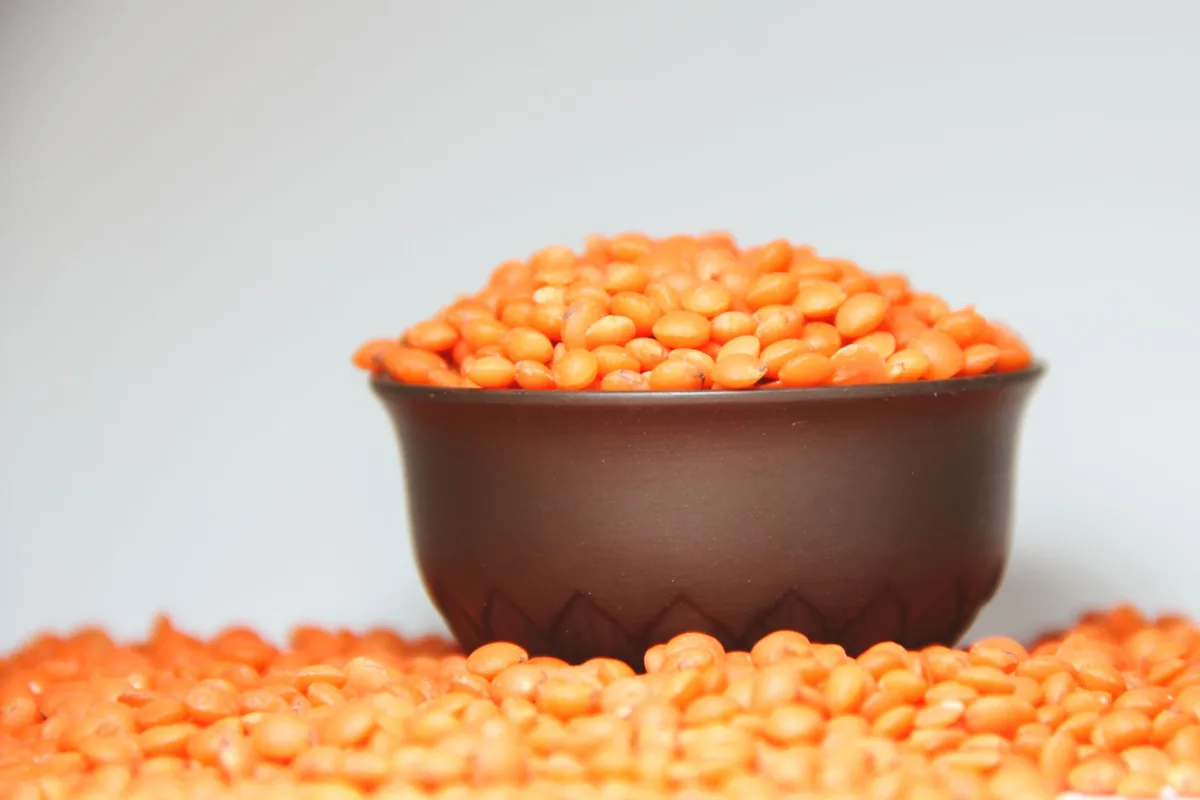
1. Dried lentils
Dried lentils make a useful pantry base for soup, tomato sauce or a bowl with rice and vegetables. In the worked example, the one-pound bag costs about $0.33 per 20 grams of protein using its label values.
Follow the package instructions: red lentils soften differently from green or brown varieties. Try a small batch first so you know how you like to use them.
2. Canned or dried beans
Dried beans may cost less per meal, while canned beans save preparation time. Choose the version that fits your routine, then compare its label and price.
For canned beans, check whether the nutrition information describes the drained food. Do not combine drained weight with a dry-bean protein figure. Try beans in wraps, grain bowls or vegetable soup.
If legumes are new to your diet, introduce smaller portions first. NIDDK explains how some foods can contribute to gas; persistent symptoms call for individualized advice.
3. Eggs
Eggs can be convenient when you want a meal rather than a cooking project. Check the carton price per egg and the protein amount on the label. A listing for Great Value large eggs, for example, states 6 grams of protein per egg; a dozen would provide about 72 grams.
A hypothetical local-price calculation: if your dozen costs $2.40, then $2.40 ÷ 72 × 20 is about $0.67 per 20 grams of protein. The $2.40 is an example input, not a current quoted egg price. Replace it with the price in front of you.
Pair eggs with toast and vegetables, or add them to a meal with beans. The rest of the meal still counts toward both nutrition and cost.

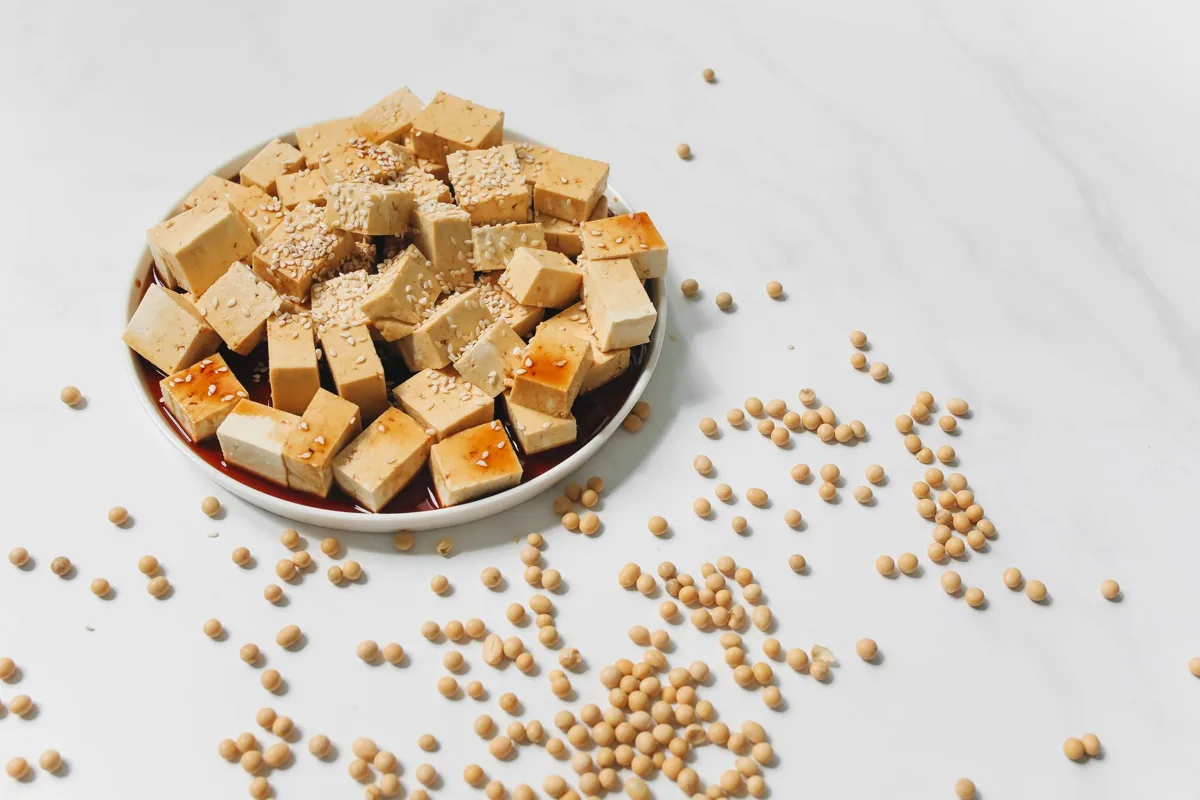
4. Firm tofu
Firm tofu works well cubed in a stir-fry or crumbled into a savory filling. Silken, firm and extra-firm products can have different protein amounts, so compare the actual packs rather than the word “tofu.”
Choose a texture and seasoning you already enjoy. Include sauce, vegetables and a grain when working out the whole meal’s cost.
5. Plain Greek yogurt
Plain Greek yogurt can be a quick breakfast, snack or savory dip. Greek-style, strained and ordinary yogurts do not necessarily provide the same protein per serving.
A tub can cost less per serving, but individual pots may waste less if you eat yogurt only occasionally. Use it with fruit and oats, or herbs for a dip. Our high-protein breakfast guide has more meal ideas.

6. Canned fish
Canned fish needs little preparation and works in sandwiches or bowls with beans and vegetables. Check the protein in the whole can or pouch and whether the label refers to drained fish.
Vary your fish choices. For pregnancy, breastfeeding or children’s meals, follow the FDA’s fish-choice guidance.
7. Peanut butter
Peanut butter can add protein, flavor and energy to a meal, but it is not interchangeable with yogurt, tofu or eggs. Look at the portion as well as the price.
For example, one retailer’s creamy peanut butter listing states 7 grams of protein per serving. Reaching our 20-gram comparison unit would require almost three label servings. That is why a cheap cost-per-protein number does not automatically make something the best main protein component for your lunch.
Use peanut butter where it fits: on toast, in oats or in a sauce. If you have a peanut allergy, leave it out rather than trying to make a budget ranking work for you.
When convenience is worth paying for
A can of beans that becomes dinner can be better value than dried beans that stay in the cupboard while you buy takeaway. Before buying, ask:
- Can I prepare this with the time and equipment I have?
- How many meals will I use it in?
- Can I finish or store the package safely?
- What extra ingredients will I need?
Paying a little more for convenience can make sense when it helps you avoid waste. Batch cooking can also save money when it fits your week.
Build a meal, not just a protein total
Use one protein food as an anchor, then add the other foods that make the meal practical and enjoyable. Try these simple combinations:
- Breakfast: eggs with whole-grain toast and vegetables, or yogurt with oats and fruit.
- Lunch: beans with rice and vegetables, plus a dressing or seasoning you like.
- Dinner: tofu or lentils with a grain, vegetables and a familiar sauce.
Include the cost of those additions when comparing meals. A low-cost protein ingredient does not have to carry the whole meal on its own. Our healthy grocery list on a budget can help you organize the rest of your shopping.
Buy larger packages only when you have a realistic plan for them. For cooked leftovers, follow USDA’s storage and reheating guidance, including refrigeration and freezing portions you will not eat promptly. Do not rely on smell alone to decide whether food is safe.
Free protein-cost comparison worksheet
Use the same calculation with your own prices. The worksheet includes the two store-price examples above, clearly marked hypothetical tofu and egg examples, and blank rows for your local choices. The tofu row is an arithmetic practice example, not a verified product quote. Enter the price, servings per package and protein per serving; the comparison columns calculate automatically. It opens in compatible spreadsheet apps such as Excel or LibreOffice Calc. No email signup or purchase is required.
Download the free protein-cost comparison worksheet (.xlsx)
Or copy this onto paper:
| Food and package | Your price | Servings in package | Protein per serving | Package protein | Cost per 20 g |
|---|---|---|---|---|---|
| Your first option | _____ | _____ | _____ g | servings × protein | price ÷ package protein × 20 |
| Your second option | _____ | _____ | _____ g | servings × protein | price ÷ package protein × 20 |
Price is only one part of the decision. Keep your usual portion, preferences, allergies and food waste in view. If a medical condition affects your dietary needs, a general shopping comparison is not a personalized eating plan.
Common questions
What is the cheapest protein food?
It depends on your store and the product. Dried lentils cost less than yogurt in our two-product example, but that is not a nationwide ranking. Use the same calculation with current local prices, then consider preparation time and the amount you will actually eat.
Are canned beans bad value compared with dried beans?
Not necessarily. Compare the protein and price of the prepared food you will use, and factor in cooking time. A convenient can can be sensible when it helps you make dinner or avoid food waste.
Should I buy the biggest package?
Only when you can use or store it safely. A larger package with a lower unit price can still waste money if a substantial part is thrown away. Start with quantities that match your routine.
Do I need protein powder to eat affordably?
You do not need to start with a supplement purchase. Compare ordinary foods first. A powder may suit some people’s preferences or convenience needs, but this article does not assume one is necessary or recommend a supplement.
The bottom line
Start with a few protein foods you already enjoy. Compare the price and label, choose quantities you can finish, and build complete meals around them. The most useful bargain is an affordable meal you will actually eat—not the lowest number on a spreadsheet.
Sources and price-check notes
Reviewed October 12, 2026. Retailer links below support examples; they are not affiliate links. Product labels, serving counts and displayed prices can change. The worksheet uses rounded label totals, not laboratory measurements.
- FDA: how to understand and use the Nutrition Facts label.
- Walmart: Great Value lentils, 1 lb, including the displayed package-label image: about 13 servings; 9 g protein per dry 35 g serving.
- Walmart: Great Value plain nonfat Greek yogurt, 32 oz, including the displayed package-label image: about 5 servings; 17 g protein per 170 g serving.
- Walmart: Great Value large eggs and creamy peanut butter, for the protein amounts stated in the listings. The egg price used in the explanation is hypothetical. The worksheet’s tofu price and label inputs are illustrative, not a current retailer quote.
- NIDDK: eating, diet and nutrition for gas symptoms.
- FDA: advice about eating fish.
- USDA FSIS: leftovers and food safety.
Photos via Pexels: Mike, Suki Lee, Monserrat Soldú, Antoni Shkraba, Polina Tankilevitch.
Purpleflow publishes informational content, not personal medical advice. See our wellness disclaimer and editorial policy.