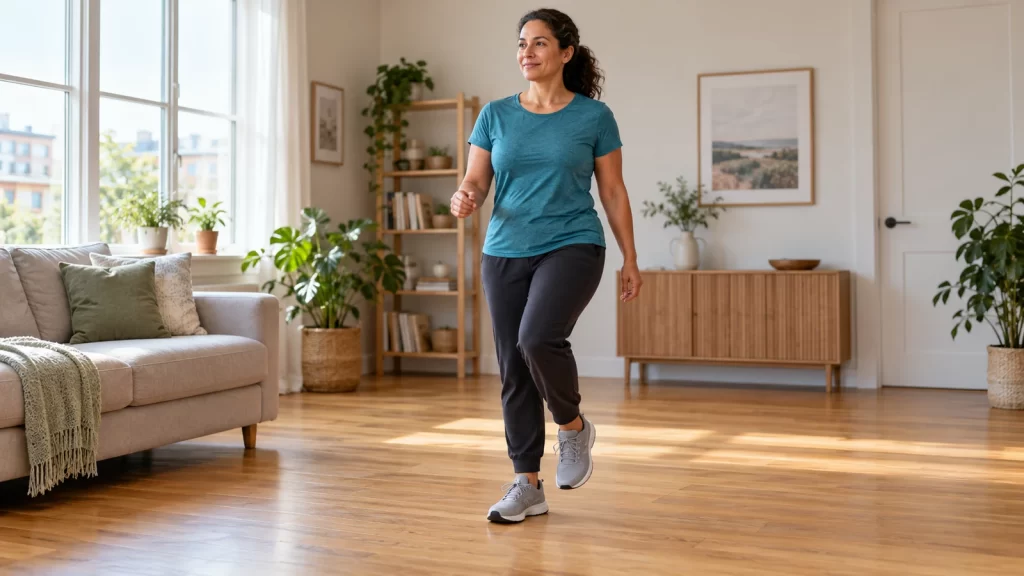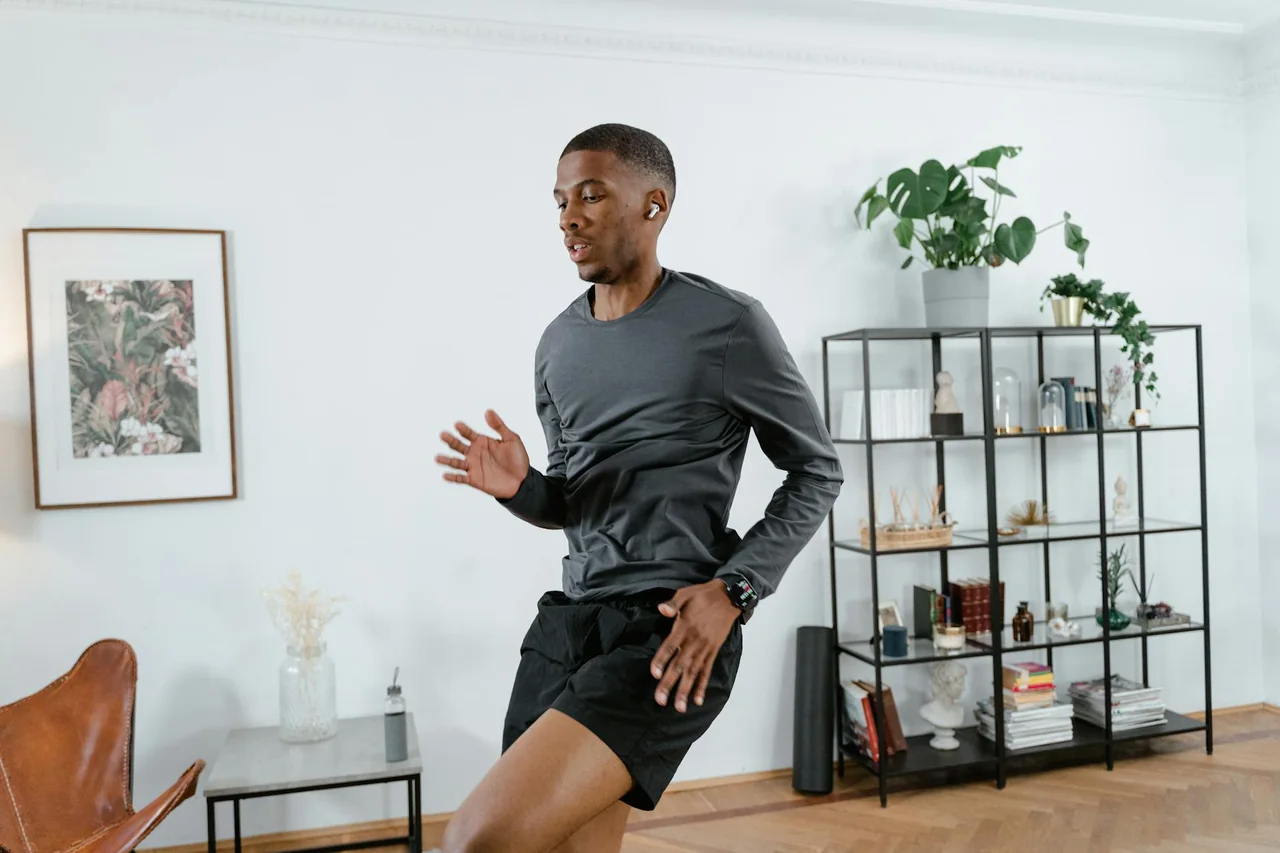
If workouts have been feeling too jumpy, too loud, or too rough on your knees, low-impact cardio at home can be a much smarter place to start.
Low impact does not mean low value. It simply means you keep at least one foot on the floor most of the time and reduce the pounding that comes with lots of jumping.
That can make cardio feel more manageable for beginners, people exercising in small apartments, anyone returning after time off, or anyone whose joints are not thrilled by endless burpees.
What counts as low-impact cardio?
Low-impact cardio uses movements that raise your heart rate without all the landing force of jump-heavy routines.
At home, that can include:
- marching in place
- step touches
- side steps
- knee lifts
- bodyweight squats performed at a steady pace
- low step-ups if you have a safe surface
- shadow boxing without bouncing wildly
The common theme is simple: you keep moving with control.
Why beginners often do better with low-impact cardio
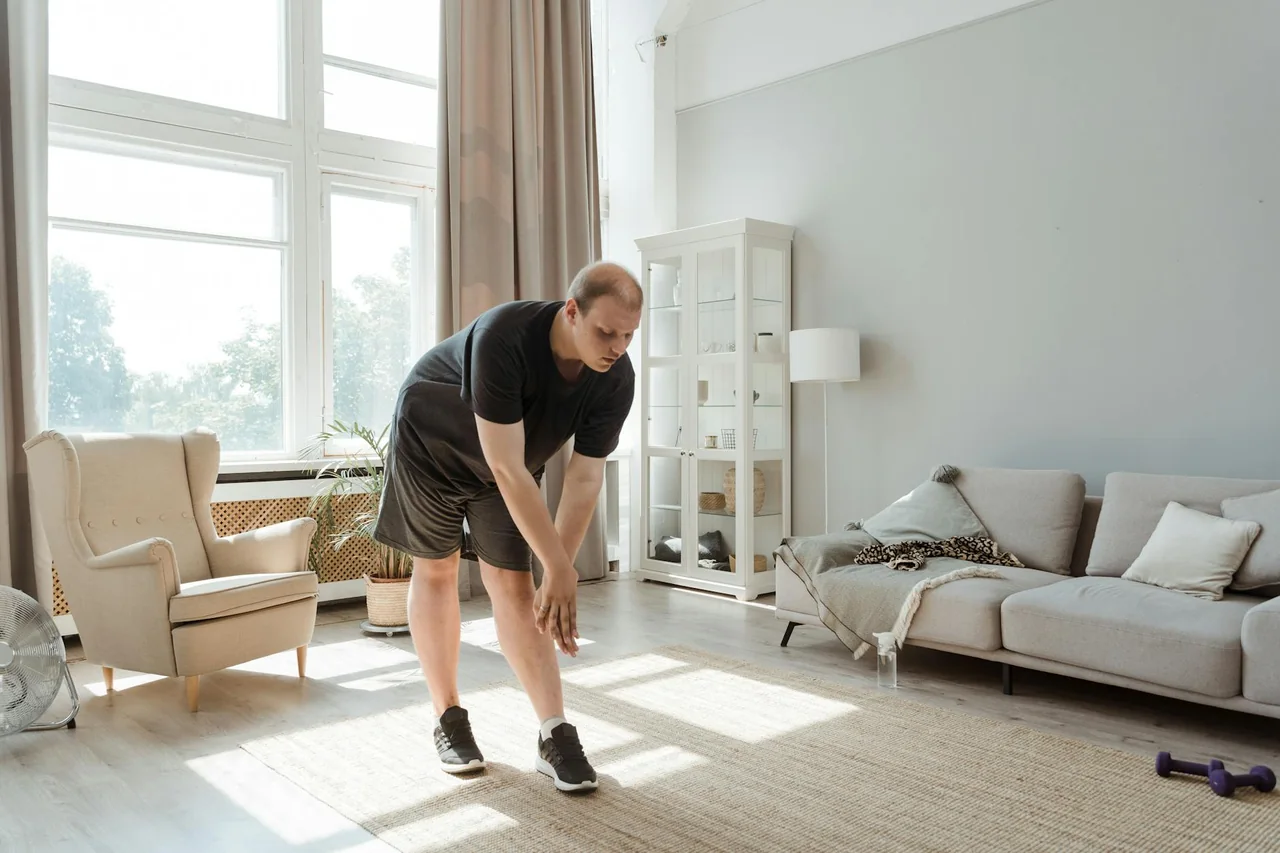
A lot of people assume cardio only counts if it feels punishing.
That is usually the wrong starting point.
For beginners, the best cardio routine is often the one that:
- feels possible to repeat
- does not leave joints angry
- fits inside a normal day
- builds confidence instead of dread
Low-impact training can still challenge your breathing and stamina. It just does it in a way that is easier to recover from.
When low-impact cardio makes extra sense
This style of workout is especially useful if:
- you are new to exercise
- you are coming back after a break
- your knees, hips, or ankles do not love repeated jumping
- you live below other people and need quieter workouts
- you want a cardio option for days when high intensity feels like too much
A simple beginner low-impact cardio at home routine
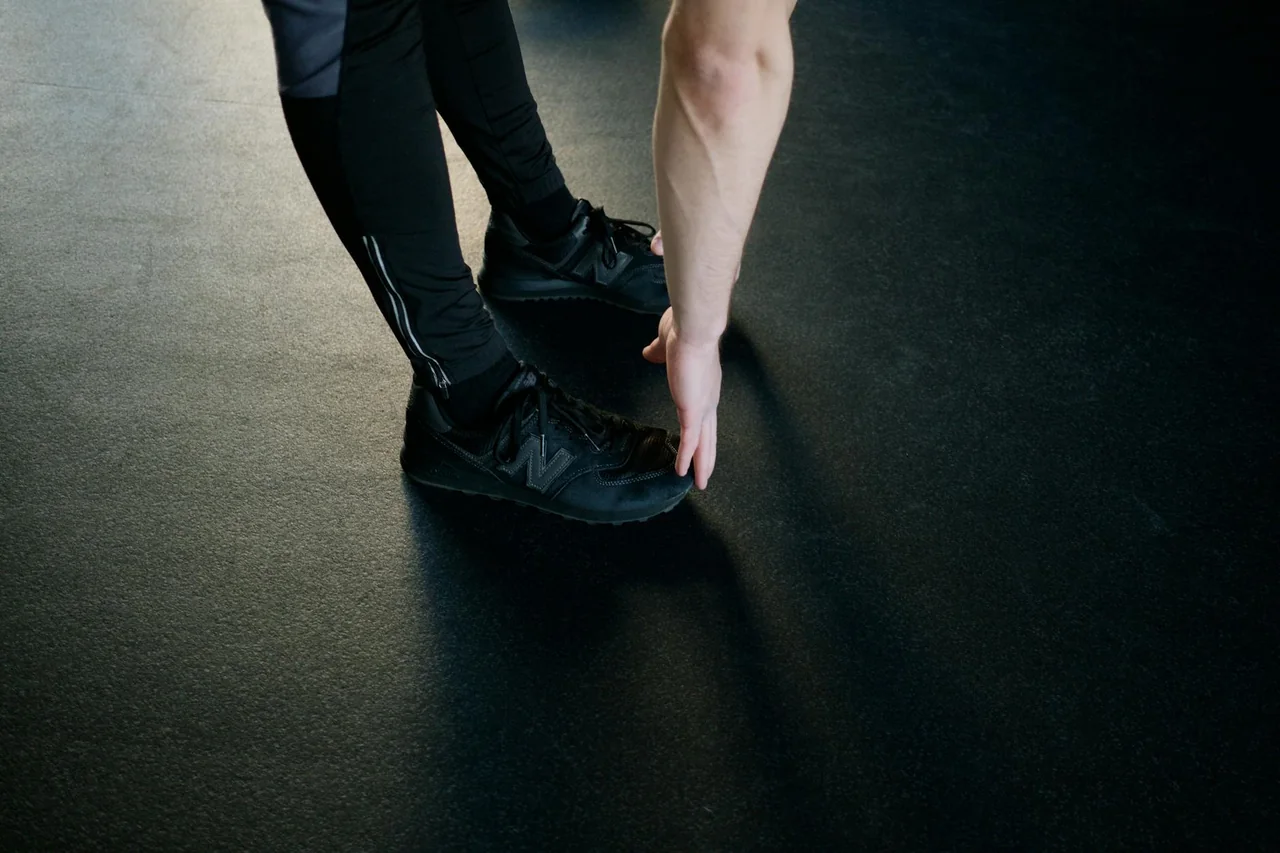
Try this 20-minute session.
Warm-up: 3 minutes
Do each movement for about 30 to 45 seconds:
- march in place
- shoulder rolls and arm swings
- slow bodyweight squats
- step side to side
The goal is to feel warmer and more mobile, not tired yet.
Main routine: 14 minutes
Work for 40 seconds, then rest for 20 seconds. Complete the 7 moves below, then repeat the full circuit once.
- March in place with strong arm swing
- Step touches side to side
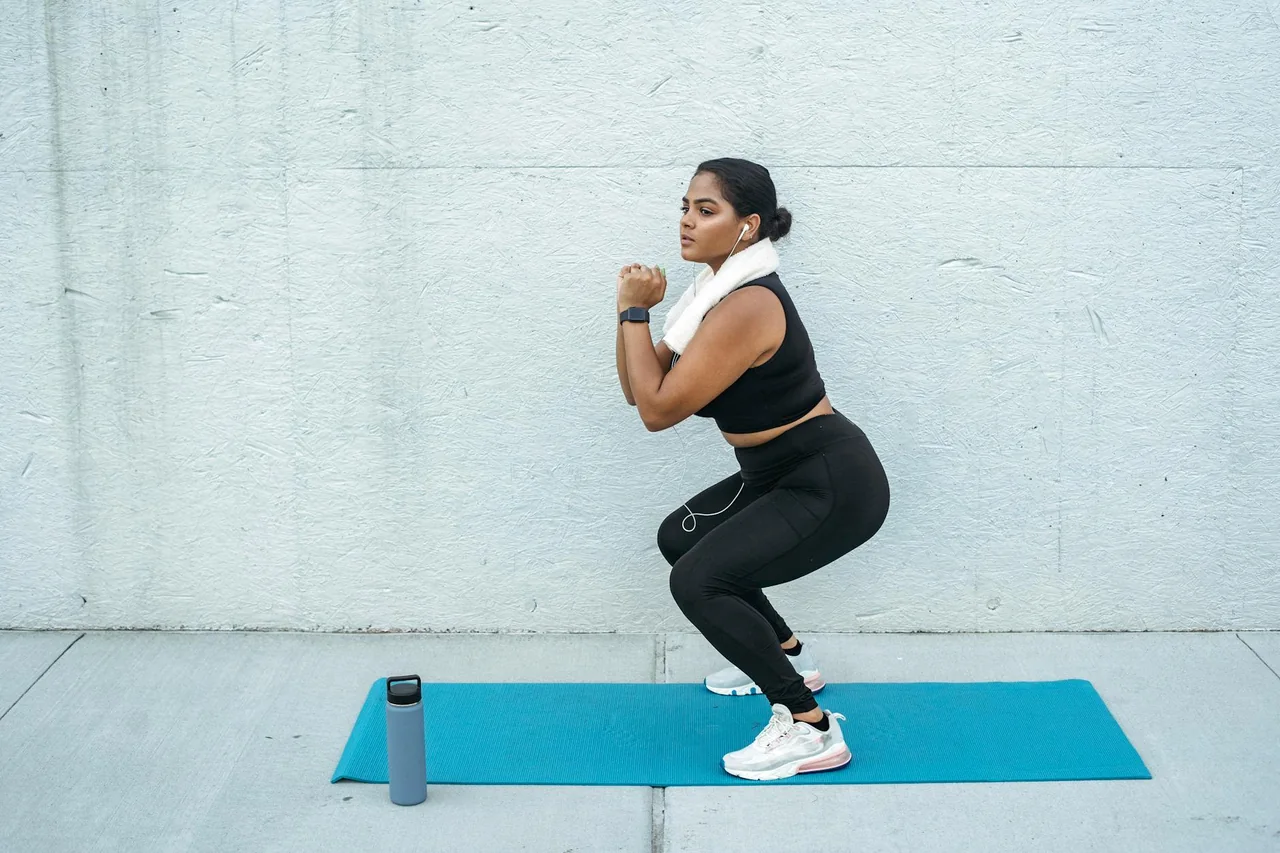
- Bodyweight squats at a steady pace
- Alternating knee lifts
- Shadow boxing with light foot movement
- Reverse step-backs or gentle alternating lunges
- Low-impact fast feet, keeping steps small and controlled
Cooldown: 3 minutes
- slow march
- calf stretch
- quad stretch with support if needed
- chest opener and deep breathing
That is enough for a beginner session that feels real without turning into a joint-pounding event.
How hard should it feel?
You should feel warm, more breathy than normal, and aware that you are exercising.
But you should not feel like the workout is chasing you.
A useful target is moderate effort. You can still speak in short sentences, but you know you are working.
If you are completely gasping, losing form, or feeling impact where there should not be much, slow down.
How to make low-impact cardio more effective
People sometimes assume no jumping means no intensity. That is not true.
You can make a low-impact session harder by:
- moving your arms with more purpose
- reducing rest a little
- increasing the work interval slightly
- using deeper squats if your form is good
- adding another round
- moving faster without getting sloppy
The key is to increase challenge through control and consistency, not chaos.
Common mistakes to avoid
Going too hard too early
Beginners often turn the first few minutes into a race and fade quickly.
Pace matters. A steady workout beats a dramatic first three minutes followed by collapse.
Choosing movements that hurt
Low impact should feel friendlier on the joints. If a movement still feels wrong, swap it.
Assuming sweat is the only proof it worked
A useful session does not have to be extreme. If your heart rate comes up and you completed the session with decent form, that counts.
Skipping consistency
Doing one long hard workout and then avoiding cardio for a week is not the goal. Cardio works better when it becomes normal.
Easy movement swaps

If something does not feel right, adjust it.
- replace lunges with supported step-backs
- replace fast feet with simple marching
- replace squats with sit-to-stands from a chair
- replace shadow boxing with brisk side steps and arm reaches
There is nothing fake about modifying a workout so you can actually do it well.
How often should you do this?
For many beginners, two to four cardio sessions per week works well, especially if you also walk regularly and do some strength training.
A simple week could look like:
- Monday: low-impact cardio
- Tuesday: walk or strength training
- Wednesday: rest or mobility
- Thursday: low-impact cardio
- Friday: walk
- Saturday: strength training or another easy cardio session
The bottom line
Low-impact cardio at home is a smart option if you want a beginner-friendly workout that raises your heart rate without punishing your joints.
You do not need jumping, noise, or workout drama to improve stamina. A short routine built from marching, step touches, knee lifts, squats, and controlled movement can still do real work.
If the goal is consistency, low-impact cardio is often one of the easiest ways to make movement feel doable again.
Sources
- Physical Activity Guidelines for Adults – CDC
- Exercise tips for beginners – NHS
- Low impact exercise basics – Arthritis Foundation
Related reading: If you want to build from cardio into a broader routine, see Is Walking Every Day Enough to Lose Weight? Benefits, Steps, and a Simple Plan and How to Start Strength Training at Home: A Beginner Weekly Plan.
Purpleflow publishes informational content, not personal medical advice. See our wellness disclaimer and editorial policy.