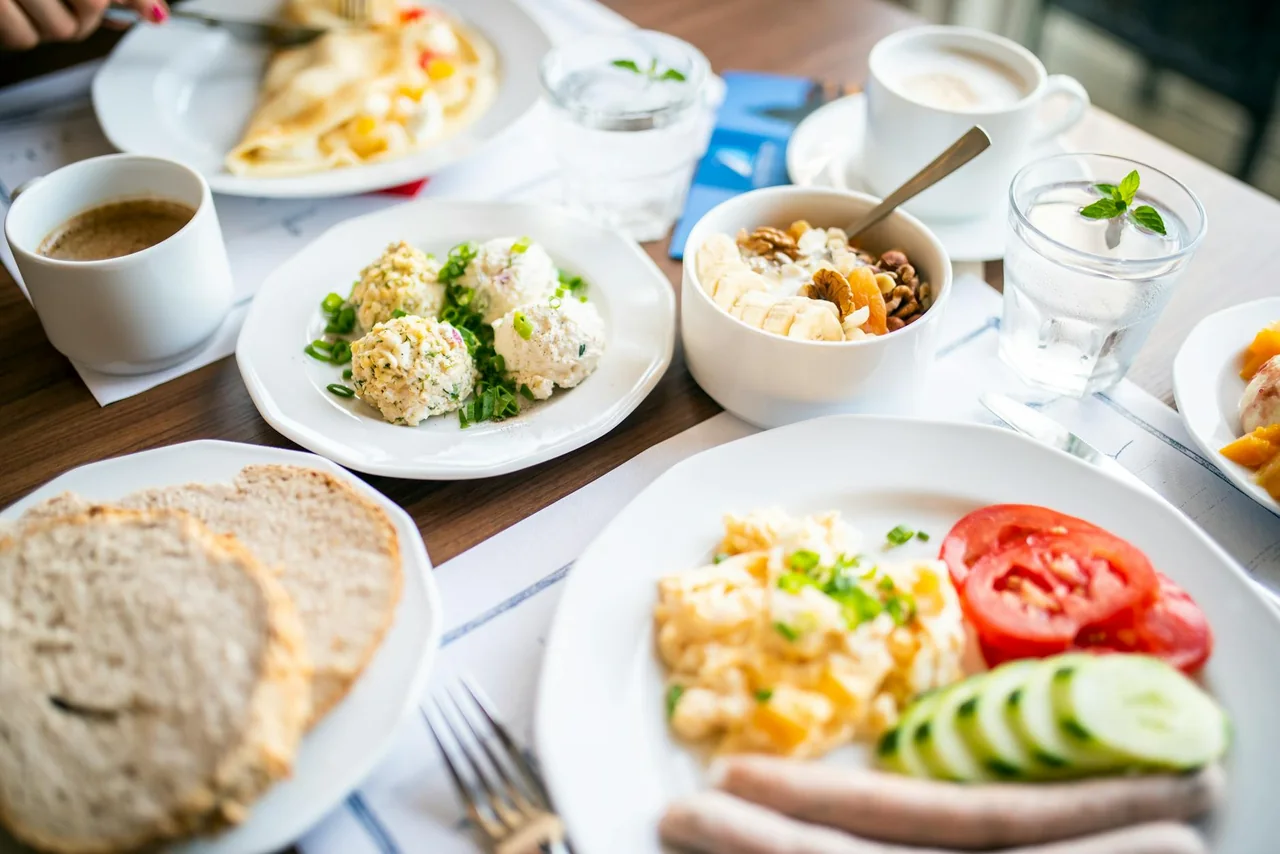
If you are looking for signs you are not eating enough protein, the first clues often show up in very ordinary parts of the day.
You eat breakfast and feel hungry again by mid-morning. Lunch does not seem to hold you. A workout that should feel manageable leaves you dragging. None of that proves a serious medical problem, but it can be a hint that your meals are not giving you enough protein to feel steady and recovered.
Protein matters for much more than building muscle. It helps support tissue repair, immune function, satiety, and maintaining strength as part of a normal healthy routine. That is why even people who are not especially sporty can notice when intake is too low for their needs.
Why protein matters in real life
Most people do not need bodybuilder-level eating plans. But they do benefit from meals that are balanced enough to keep energy, hunger, and recovery on a more even track.
Protein can help by:
- making meals feel more satisfying
- supporting muscle repair after activity
- helping maintain strength and lean mass over time
- working alongside fiber and healthy fats to reduce constant grazing
How much protein feels right depends on body size, age, activity level, and the rest of your diet. The point is not to chase a perfect number. It is to notice whether your current routine is actually working for you.
1. You get hungry soon after meals
One of the most common signs you are not eating enough protein is that meals stop feeling like meals.
If breakfast is mostly toast, juice, or cereal on its own, you may get a fast rise in energy followed by a crash and a strong urge to snack. The same thing can happen with lunches that are mostly refined carbs and not much else.
A more balanced plate often keeps you satisfied longer. That does not mean every meal has to be huge. It usually just means adding a clear protein source instead of hoping coffee and willpower will carry you through.
2. Your energy feels flat or inconsistent
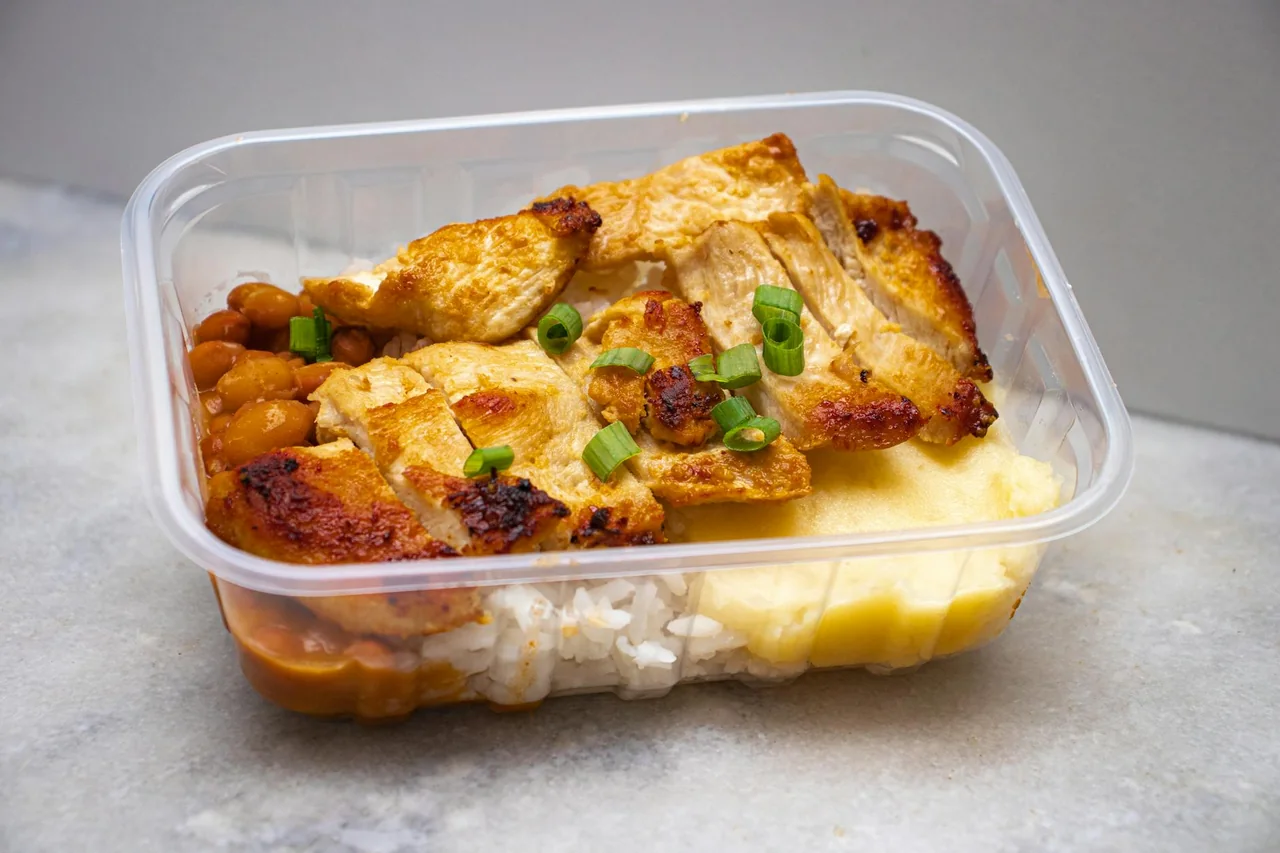
Low protein is not the only reason energy can feel rough. Sleep, hydration, iron status, stress, and total calories matter too.
Still, if you are under-eating protein, meals may leave you feeling less steady than they should. Some people describe this as always feeling a bit under-fueled, even when they are technically eating enough food overall.
A pattern like this can show up as:
- feeling hungry and tired at the same time
- crashing hard between meals
- needing frequent snack top-ups to stay focused
- feeling like meals never quite hit the mark
3. Recovery after exercise feels slower than expected
Protein is not the only recovery tool, but it is an important one.
If you walk, run, lift, or do home workouts regularly, low protein intake can make it harder to feel ready again. You may notice soreness lingering longer, sessions feeling harder to bounce back from, or strength progress moving more slowly than expected.
That does not mean every ache is a protein issue. Training intensity, sleep quality, and overall food intake still matter a lot. But if recovery has been poor and your meals are light on protein, that is worth paying attention to.
4. You are struggling to maintain strength or muscle
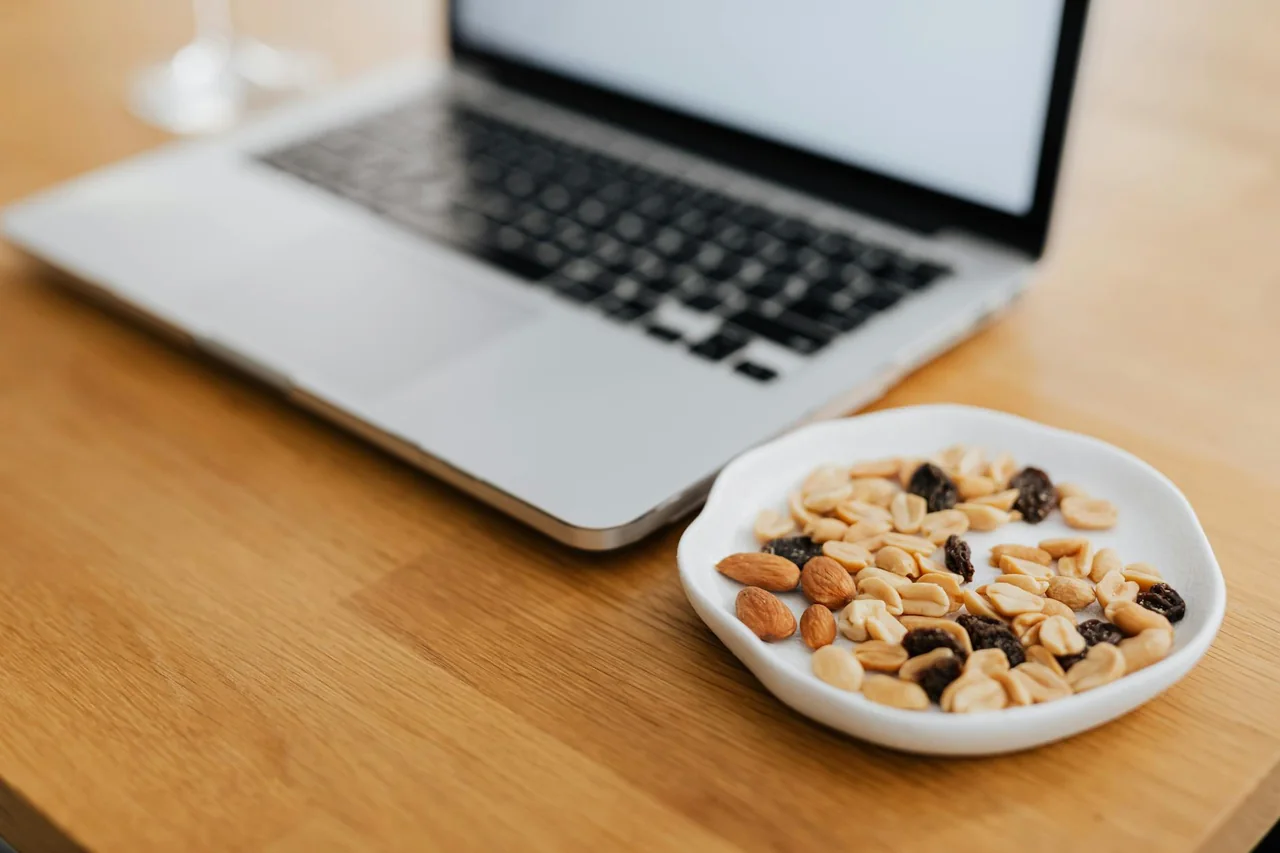
People often think protein only matters when the goal is to get bigger. In reality, it also matters when the goal is simply to maintain what you already have.
If you are active, getting older, dieting aggressively, or returning to exercise after time off, protein becomes even more important. Too little can make it harder to hang on to strength and muscle while your routine changes.
This is one reason that extreme clean eating plans sometimes backfire. They can look healthy on paper while still not giving you enough of the building blocks your body needs.
5. Your snacks never seem satisfying
A snack that is only quick sugar or refined carbs often disappears fast.
If you are constantly reaching for another biscuit, another granola bar, or another handful of crackers, the issue may not be that you lack discipline. It may be that your meals and snacks are missing enough protein to feel complete.
More satisfying options often combine protein with fiber or produce, such as:
- yogurt and fruit
- eggs and toast
- cottage cheese and berries
- hummus with vegetables
- nuts with fruit
- tofu, edamame, or roasted chickpeas
6. You feel run down and small changes show up elsewhere
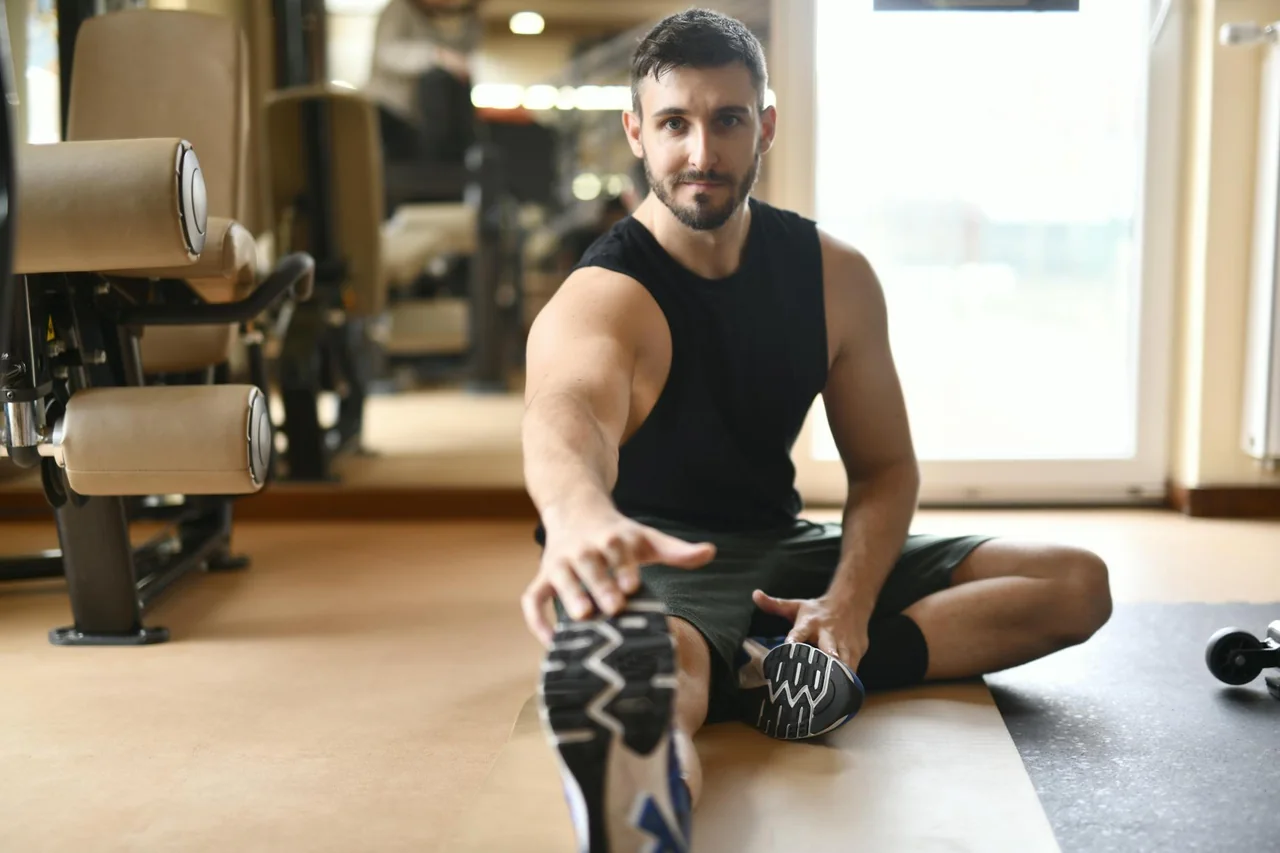
Hair, skin, and nails can be affected by many things, including stress, illness, overall calorie intake, and nutrient deficiencies beyond protein.
So this is not a symptom to self-diagnose from on its own.
But if you feel generally run down, are eating very little protein, and have noticed changes in recovery, appetite, or strength at the same time, it adds to the bigger picture. It is a clue to look at your overall intake more honestly instead of assuming everything is fine.
Who is most likely to miss the mark?
Some groups are more likely to under-eat protein without realizing it.
That can include:
- people who skip meals and then graze later
- busy workers relying on toast, cereal, or snack foods
- people trying to lose weight very aggressively
- older adults with lower appetite
- plant-based eaters who have not learned good protein staples yet
- anyone who cooks very little and defaults to convenience carbs
None of these groups are doing anything wrong. They just may need a little more planning.
Easy ways to eat more protein without making food boring

You do not need a shaker bottle at every meal. Small upgrades are usually enough.
Try things like:
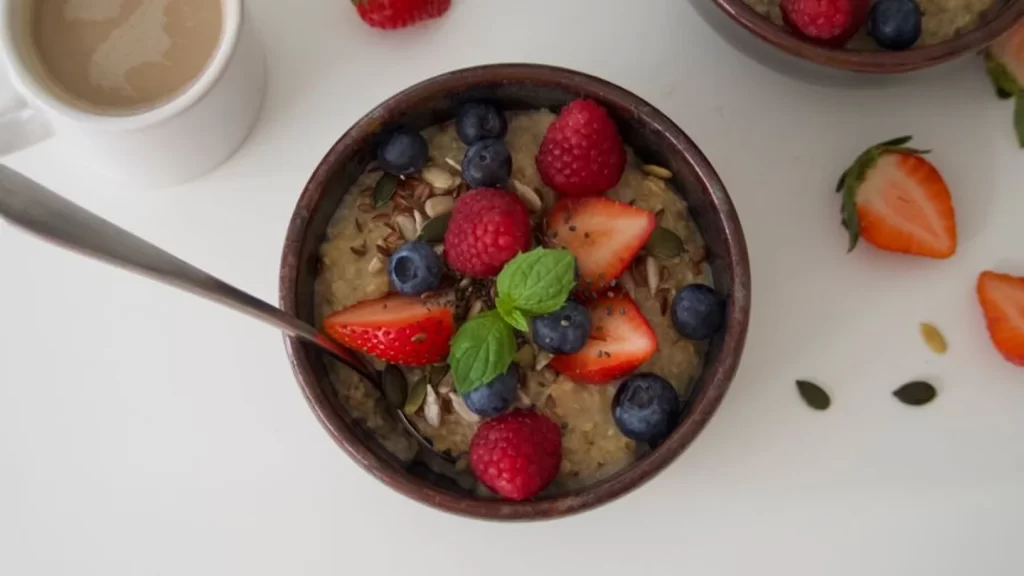
- adding eggs, Greek yogurt, tofu, or cottage cheese to breakfast
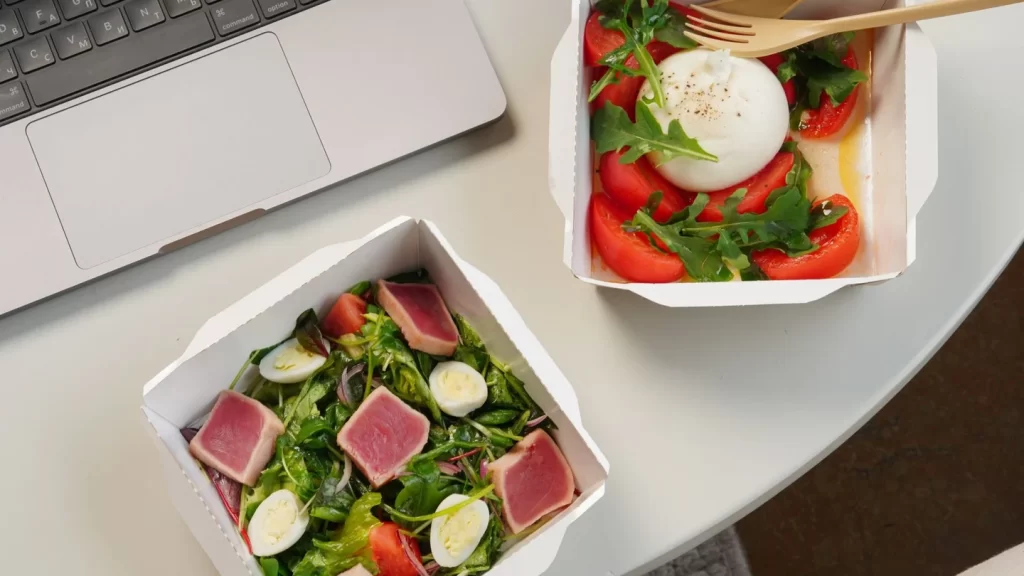
- building lunch around beans, lentils, fish, chicken, tofu, or paneer
- pairing fruit with yogurt or nuts instead of eating it alone
- using milk or soy milk in oats instead of only water
- keeping easy options ready, like boiled eggs, edamame, tuna, roasted chickpeas, or yogurt cups
- including some protein in dinner instead of making it mostly rice, pasta, or bread
The simplest goal is to stop letting protein be an afterthought.
Do you need to count grams?
Not always.
Some people like tracking for a few days because it shows them where the gaps are. Others do better with a plate-based approach and simply make sure each meal includes a real protein source.
If your current routine is low on structure, that second approach is often easier to stick with.
When to get extra help
If you have ongoing fatigue, unintentional weight loss, digestive issues, trouble eating enough, or concerns about a restricted diet, it is worth speaking with a doctor or registered dietitian.
That is especially true if you suspect a bigger nutrition issue than just slightly low protein at meals.
The bottom line
The signs you are not eating enough protein are usually practical rather than dramatic: you get hungry quickly, meals do not satisfy you for long, recovery feels slow, and energy stays uneven.
That does not mean protein is the only thing that matters. But if your routine feels under-fueled, it is one of the first things worth checking.
A few simple changes, such as adding a protein source to breakfast, improving snack quality, and building more balanced lunches and dinners, can make a noticeable difference without turning eating into a full-time project.
Sources
Related reading: If you want a couple of easy ways to fix that, see High-Protein Breakfast Ideas for Busy Mornings That Actually Keep You Full and Healthy Lunch Ideas for Work: Easy Packable Meals for Busy Weekdays.
Purpleflow publishes informational content, not personal medical advice. See our wellness disclaimer and editorial policy.