A healthy grocery list does not need protein bars, powders, expensive snacks, or trendy ingredients you buy once and forget in the back of the fridge.
In real life, a budget-friendly grocery cart usually works best when it is built around a few boring-in-a-good-way staples: oats, eggs, beans, rice, potatoes, yogurt, fruit, frozen vegetables, and a couple of flavor boosters.
That kind of list is easier to afford, easier to repeat, and much easier to turn into actual meals on a Tuesday when you are tired.
This guide keeps things simple: one practical weekly grocery list, smart ways to stretch it, and easy meal ideas that do not require chef energy.
What makes a grocery list healthy and budget-friendly?
The sweet spot is not perfection. It is a cart that gives you enough of the basics to build balanced meals most of the week.
A useful way to think about it is this:
- vegetables and fruit for fiber, volume, and variety
- whole grains or steady starches for affordable meal foundations
- budget-friendly protein for fullness and structure
- healthy fats and simple flavor ingredients so meals are satisfying enough to repeat
The Harvard Healthy Eating Plate emphasizes vegetables and fruits, whole grains, healthy protein sources like beans, fish, poultry, and nuts, plus healthy oils. You do not need to copy it perfectly meal by meal. It is just a good way to keep your cart from filling up with random snacks and no real food.
The easiest healthy grocery list on a budget for one week
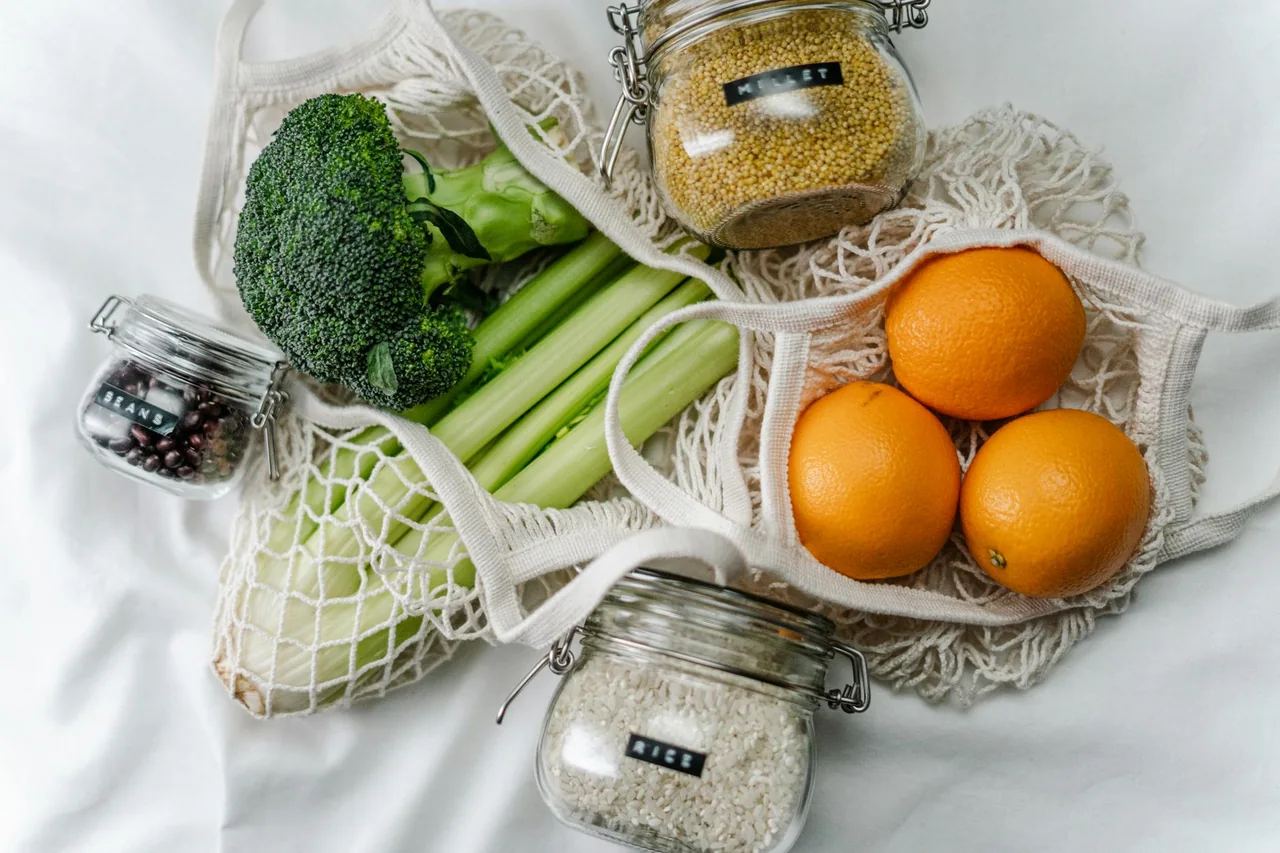
This list is meant for one person for a full week, or two adults for lighter breakfasts/lunches, assuming you already have basic salt, pepper, and a few spices.
Protein staples
Pick 2 to 4 main proteins, not every possible option.
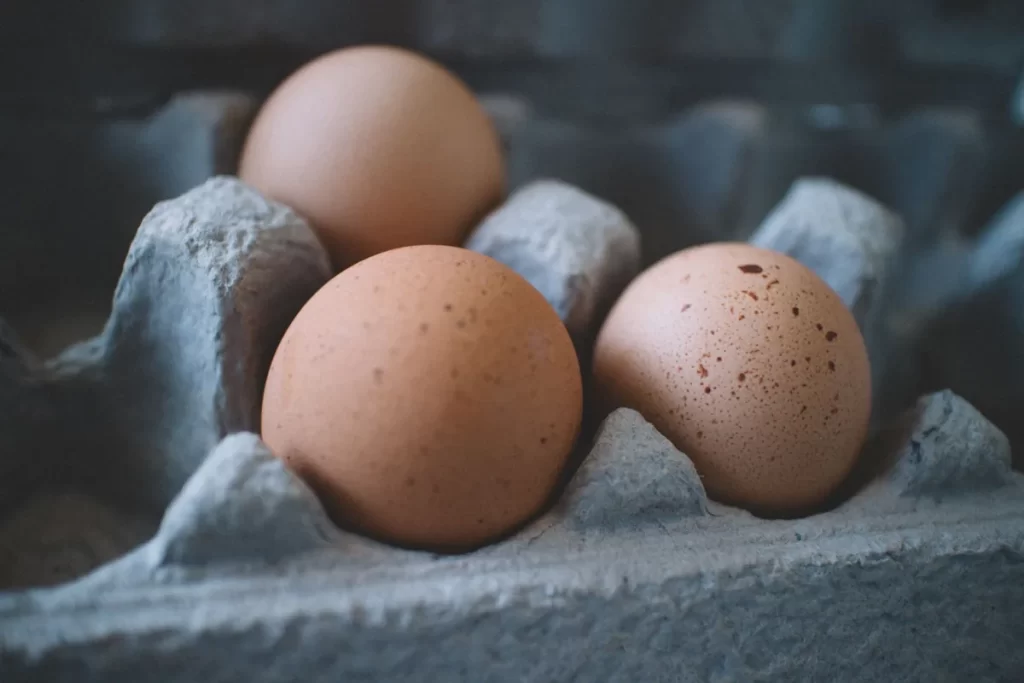
- 1 dozen eggs
- 1 large tub plain yogurt or Greek yogurt
- 2 to 4 cans of beans such as chickpeas, black beans, or kidney beans
- 1 bag of lentils or another dried bean if you like cooking from dry
- 1 affordable extra protein: canned tuna, sardines, tofu, or chicken depending on budget and preference
- 1 jar peanut butter
Why these work:
- eggs are versatile and quick
- yogurt works for breakfast, snacks, and sauces
- beans and lentils are among the cheapest useful foods in the store
- canned fish or tofu adds variety without forcing you into expensive meat-heavy shopping
The Harvard legumes guide notes that beans and lentils are an inexpensive source of protein, fiber, and complex carbohydrates.
Vegetables
Choose vegetables that are cheap, flexible, and hard to waste.
- 1 bag onions
- 1 bag carrots
- 1 head garlic
- 1 leafy green: spinach, kale, or another green you will actually use
- 2 bags frozen vegetables: mixed veg, peas, broccoli, or stir-fry blend
- 1 extra fresh vegetable for crunch or salads: cucumbers, tomatoes, cabbage, or bell peppers depending on price
A good budget trick is to mix fresh and frozen instead of trying to buy everything fresh. Frozen vegetables are useful because they are already washed, chopped, and harder to waste.
Fruit
Pick fruit that is cheap, durable, and easy to snack on.
- 1 bunch bananas
- 4 to 7 pieces of seasonal fruit such as apples or oranges
- 1 bag frozen berries if the budget allows, or more bananas if it does not
You do not need exotic fruit for a healthy grocery week. Reliable fruit you actually eat beats aspirational fruit that gets soft in the crisper drawer.
Grains and starches
These are what turn ingredients into real meals.
- 1 container or bag of oats
- 1 bag of rice
- 1 loaf whole grain bread or 1 pack whole grain wraps/tortillas
- 1 bag potatoes
- optional: 1 pack whole wheat pasta if you like it and use it
The Harvard whole grains guide suggests choosing whole grains over refined grains when possible, but the bigger real-life point is this: buy starches you will actually cook and eat.
Healthy fats and flavor basics
This is the part people skip, then wonder why the food feels depressing.
- olive oil or canola oil
- nuts or seeds, if affordable
- vinegar or lemon for quick dressings
- 1 can or jar tomatoes
- 1 broth or stock option if you make soups or grains often
- a small set of repeat spices such as chili flakes, cumin, garlic powder, cinnamon, curry powder, or Italian seasoning
The Harvard fats guide favors unsaturated fats such as those from olive oil, nuts, seeds, and fish over more saturated-fat-heavy patterns.
If money is really tight, buy these first
If you cannot buy everything, start with the highest-value basics:
- oats
- eggs or beans
- rice or potatoes
- frozen vegetables
- bananas or apples
- yogurt or peanut butter
- onions and carrots
That is not the most glamorous grocery list on earth, but it can cover a surprising number of filling meals.
Easy meals you can make from this list
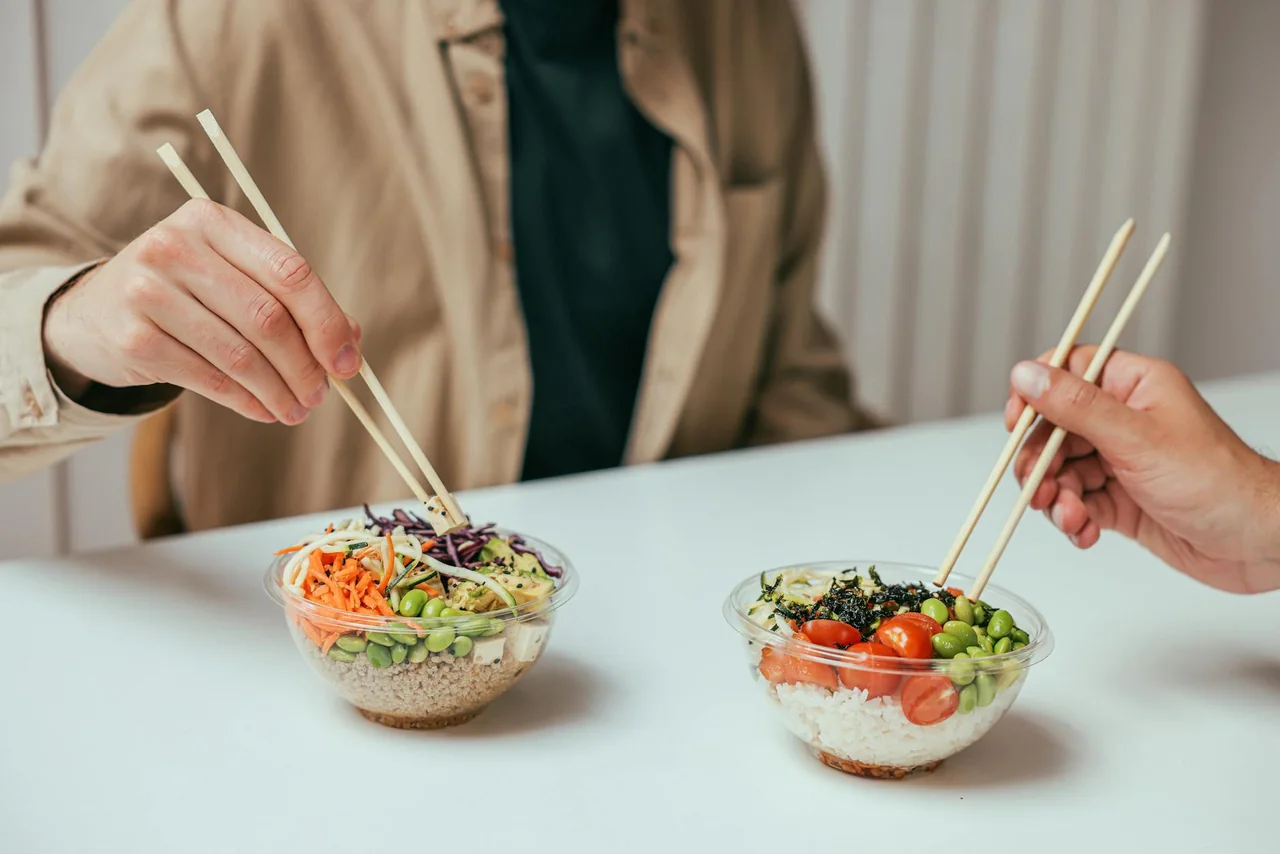
The best grocery list is the one that turns into easy meals without extra shopping.
Breakfast ideas
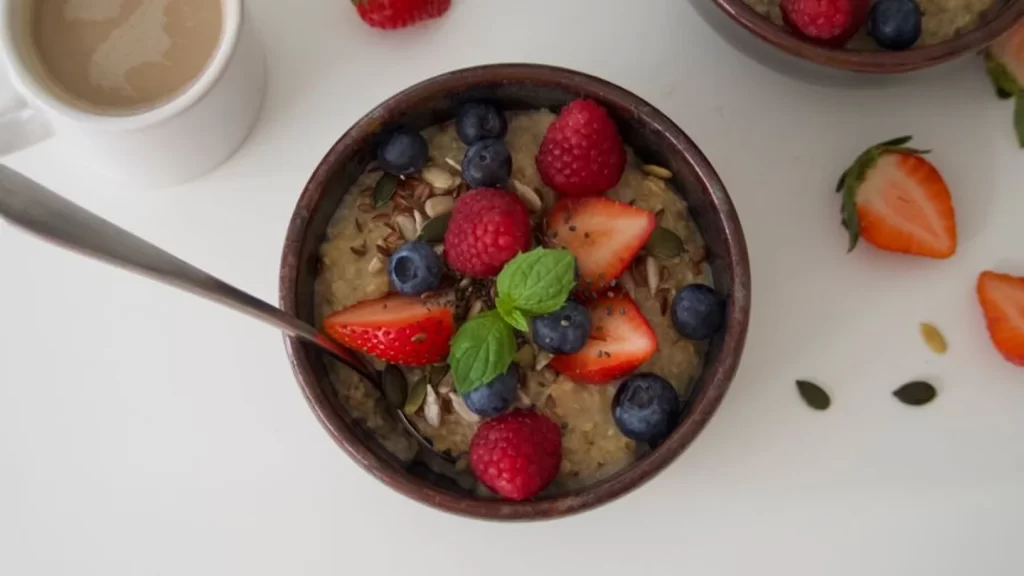
- Oatmeal with banana and peanut butter
- Yogurt bowl with fruit and oats
- Eggs on toast with spinach or tomatoes
- Overnight oats with cinnamon and chopped fruit
Lunch ideas
- Rice bowl with beans, frozen vegetables, and olive oil
- Lentil soup with carrots, onions, and bread
- Tuna or chickpea wrap with yogurt-based dressing
- Leftover roasted potatoes and eggs
Dinner ideas
- Veggie fried rice with eggs
- Bean and tomato skillet over rice or potatoes
- Pasta with tomatoes, spinach, and white beans
- Sheet-pan potatoes, carrots, onions, and tofu or chicken
Snack ideas
- yogurt
- fruit
- peanut butter toast
- carrots with hummus if you bought it
- boiled eggs
Notice the pattern: most ingredients show up more than once. That is what makes a budget list work.
How to save money without making meals miserable
1. Repeat ingredients on purpose
People often waste money trying to buy ingredients for seven completely different meals.
A better approach:
- use the same grain in several meals
- repeat one or two proteins across the week
- buy vegetables that overlap across soups, bowls, scrambles, and wraps
Repetition is not failure. It is efficiency.
2. Compare cost per meal, not just cost per item
A tub of yogurt may look more expensive than a snack pack, but if it covers five breakfasts and two snacks, it is often the better buy.
The same goes for:
- oats
- rice
- potatoes
- dried lentils
- frozen vegetables
3. Use frozen and canned foods strategically
Budget eating gets much easier when you stop pretending every healthy meal needs to start with a full basket of perfect fresh produce.
Useful options include:
- frozen vegetables
- frozen fruit
- canned beans
- canned fish
- canned tomatoes
These foods make it easier to keep healthy ingredients on hand even when time and money are tight.
4. Buy fewer proteins, not more
A common overspending mistake is buying:
- chicken
- beef
- yogurt
- eggs
- tuna
- sausage
- deli meat
- protein bars
…all in the same week.
Pick a few. Use them well.
5. Give every perishable item a job
Before you buy spinach, peppers, or yogurt, ask:
What am I using this for, specifically?
If you do not have at least two planned uses, skip it.
A simple one-week meal flow
If you like structure, this is the easiest way to use the list.
Early week
Cook or prep:
- a pot of rice
- lentils or beans if using dried
- chopped onions and carrots
- a tray of roasted potatoes or vegetables
- a few boiled eggs
Midweek
Turn the basics into:
- grain bowls
- wraps
- soups
- egg scrambles
- pasta with vegetables and beans
End of week
Use up leftovers in:
- fried rice
- soup
- omelets
- toast meals
- “everything bowl” lunches
This is how you get through a grocery week without food waste or decision fatigue.
What not to overspend on

A few things can quietly wreck a budget grocery trip:
- individual snack packs
- expensive flavored drinks
- too many sauces you will barely use
- produce bought with no meal plan
- “healthy” packaged foods that are mostly marketing
None of these are forbidden. They just tend to crowd out the basics that actually make weekday meals easier.
FAQs
Is canned food still healthy?
Often, yes. Canned beans, tomatoes, and fish can be very useful budget foods. If you want, choose lower-sodium versions or rinse canned beans before using them.
Is frozen fruit and veg okay?
Yes. Frozen produce can be a smart budget choice because it is convenient, often affordable, and less likely to go to waste.
What if I do not have time to cook every day?
Then do not plan to. Cook one grain, one protein, and one or two vegetables ahead of time, and reassemble them into different meals through the week.
Is eating healthy on a budget possible without meat?
Absolutely. Beans, lentils, eggs, tofu, yogurt, oats, nuts, and peanut butter can cover a lot of ground. In fact, plant proteins like beans and lentils are often some of the cheapest useful items in the store.
Do I need to buy only whole grains?
Not necessarily. Whole grains are a solid default, but the better choice is the grain or starch you will actually cook and eat consistently. A realistic grocery list beats a perfect one that gets ignored.
The goal is not a perfect cart. It is a useful one.
A healthy grocery list on a budget should make your week easier, not more stressful.
If you keep a few basics around each week — a grain, a protein, vegetables, fruit, and a couple of flavor staples — you can build simple meals without spending like a wellness influencer.
That is usually what sustainable healthy eating looks like in real life.
Disclaimer
This article is for general education and not personal medical advice. If you are managing a condition such as diabetes, kidney disease, celiac disease, food allergies, or another medically prescribed diet, adapt your grocery list with a qualified clinician or dietitian.
Sources and further reading
- Harvard Nutrition Source: Healthy Eating Plate
- Harvard Nutrition Source: Vegetables and Fruits
- Harvard Nutrition Source: Whole Grains
- Harvard Nutrition Source: Legumes and Pulses
- Harvard Nutrition Source: Types of Fat
- Harvard Chan School: Substituting Healthy Plant Proteins for Red Meat Lowers Risk for Heart Disease
Sources
- Healthy Eating Plate
- Vegetables and Fruits
- Whole Grains
- Legumes and Pulses
- Types of Fat
- Substituting Healthy Plant Proteins for Red Meat Lowers Risk for Heart Disease
Related reading: If you want to turn the grocery list into actual meals, see Cheap Healthy Meal Prep for Beginners: 5 Easy Lunches for the Week and Healthy Lunch Ideas for Work: Easy Packable Meals for Busy Weekdays.
Purpleflow publishes informational content, not personal medical advice. See our wellness disclaimer and editorial policy.