If you have ever ordered an iced coffee and a cold brew like they were interchangeable, you are not alone.
They are both cold coffee drinks, but they are not the same thing. The brewing method is different, the flavor is usually different, and the caffeine answer is more nuanced than people expect.
So if you are comparing cold brew vs iced coffee, here is the practical version.
The short answer
Iced coffee is usually coffee that was brewed hot and then cooled down and served over ice.
Cold brew is coffee brewed with room-temperature or cold water over a much longer period, then strained.
That difference changes the taste and sometimes the caffeine, but not in a one-rule-fits-all way.
How iced coffee is made

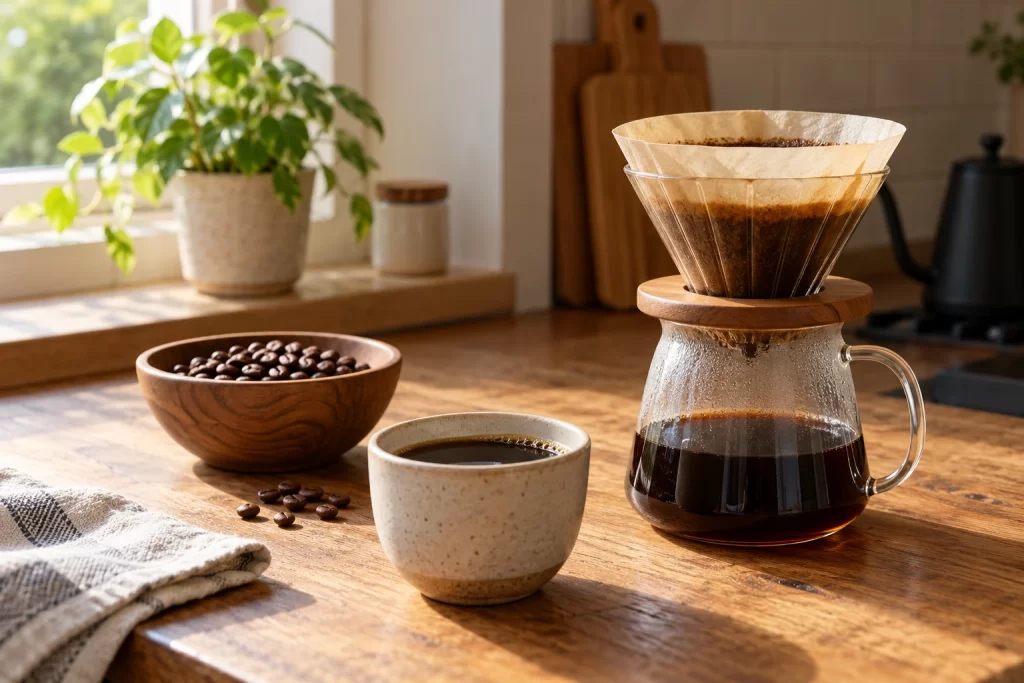
Iced coffee starts as hot coffee.
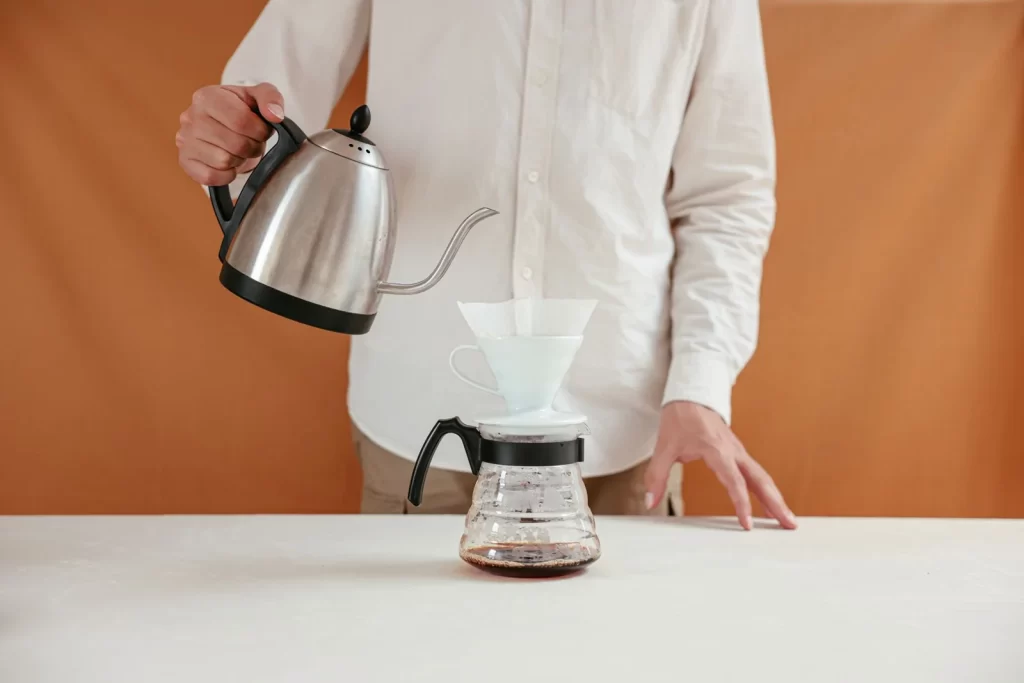
It may be brewed in a drip machine, as pour-over coffee, or even as espresso depending on the drink. After that, it is chilled or poured over ice.
In simple terms, think of iced coffee as regular brewed coffee served cold.
That usually gives you:
- a brighter coffee flavor
- a more familiar brewed-coffee taste
- a drink that is quick to make if you already brew coffee hot
If the ice melts quickly, the drink can also taste more diluted.
How cold brew is made
According to the National Coffee Association, cold brew is made with room-temperature or cooler water rather than hot water.
The grounds steep for much longer than they would in a standard hot brew, often many hours.
That process usually creates:
- a smoother taste
- lower perceived bitterness
- a rounder, mellower flavor
- a brew that may be served as concentrate and diluted later
The name cold brew comes from the way it is extracted, not just from being served cold.
Why the two drinks taste different

Temperature changes extraction.
Hot water pulls flavor from coffee grounds differently than cold or room-temperature water does. That is why iced coffee often tastes more like what people expect from standard brewed coffee, while cold brew usually tastes softer and less sharp.
Neither is automatically better.
If you like a brighter, more traditional coffee profile, iced coffee may be your pick.
If you prefer something smoother or less bitter-tasting, cold brew often wins.
Which has more caffeine?
This is where the internet tends to oversimplify.
Cold brew is not automatically more caffeinated than iced coffee.
What matters is:
- how much coffee was used
- how concentrated the brew is
- whether it was diluted
- the final serving size
- whether the iced coffee includes espresso shots or extra-strong brewing
Ounce for ounce, some cold brew concentrates are very strong. But once diluted and poured into a normal serving, the final caffeine can land close to a regular iced coffee.
On the other hand, a large cold brew from a cafe may contain more total caffeine than a smaller iced coffee simply because the drink is bigger and stronger.
So the real answer is this:
- cold brew can have more caffeine
- iced coffee can also end up stronger in some versions
- the label or cafe nutrition info tells you more than the name alone
If caffeine is something you are actively managing, it is worth paying attention to the actual drink you are ordering rather than assuming the category explains everything.
Is cold brew easier on the stomach?

Some people find cold brew smoother and gentler because it tends to taste less bitter and less harsh.
That does not guarantee it will feel better for everyone. The extras matter too:
- how much you drink
- whether it is on an empty stomach
- how much syrup, cream, or sweetener is added
- your own caffeine sensitivity
In other words, a giant sweet cold brew can still hit hard.
Which one is better for calories?
If both drinks are served black, the calorie difference is not the main story.
Calories usually come from what gets added:
- flavored syrups
- sweet cream
- sugar
- whipped toppings
- milk-heavy customizations
A plain iced coffee and a plain cold brew are both fairly light. A dessert-style version of either is a different drink entirely.
Which should you choose?

Choose iced coffee if you want:
- a more classic brewed-coffee taste
- a quick at-home option
- something that works well with your normal coffee setup
Choose cold brew if you want:
- a smoother, mellower flavor
- a make-ahead coffee option
- a drink that can be diluted to taste
There is no moral difference here. It is mostly taste, convenience, and caffeine preference.
Simple at-home version of each
Easy iced coffee
- brew coffee slightly stronger than usual
- let it cool a bit
- pour it over plenty of ice
Easy cold brew
- combine coarse coffee grounds with cool water
- steep in the fridge or at room temperature for several hours or overnight
- strain and dilute to taste if needed
Cold brew takes more patience. Iced coffee takes less planning.
The bottom line
When it comes to cold brew vs iced coffee, the main difference is how the coffee is brewed.
- iced coffee is usually brewed hot, then cooled and served over ice
- cold brew is steeped in cool water for much longer
Cold brew often tastes smoother, while iced coffee tends to taste brighter and more like regular brewed coffee.
As for caffeine, do not assume one always wins. The strongest drink depends on the recipe, concentration, and serving size in front of you.
Sources
- Cold brew coffee – NCA
- Drip coffee – NCA – About Coffee
- Spilling the Beans: How Much Caffeine is Too Much? – FDA
Related reading: If you want the rest of your caffeine decisions to feel clearer, see Best Time to Drink Coffee for Energy, Focus, and Better Sleep and How Much Caffeine Is Too Much? A Practical Daily Limit Guide.
Purpleflow publishes informational content, not personal medical advice. See our wellness disclaimer and editorial policy.