If you have ever wondered how much caffeine is too much, the answer is not just about the number of coffees you drink.
It is about the total caffeine you are taking in across the day, what time you are having it, and how your own body responds.
That matters because many people do not overdo caffeine with one dramatic energy-drink stunt. They do it slowly:
- coffee in the morning
- another one mid-morning
- tea after lunch
- cola or pre-workout later
- maybe a “small” pick-me-up in the afternoon
By that point, the total can creep up more than expected.
A practical general limit for most adults
The FDA says up to 400 milligrams of caffeine per day is generally not associated with dangerous negative effects for most healthy adults.
That does not mean everyone feels great at that amount.
Some people feel fine with less than that. Some people feel jittery, anxious, or wired well before reaching it. And some people are more sensitive because of body size, medication use, pregnancy, sleep problems, or personal tolerance.
So the useful takeaway is this:
- 400 mg is not a goal
- it is more like an upper reference point for many adults
How much caffeine is in common drinks?

Caffeine varies a lot depending on the drink and serving size.
Roughly speaking:
- an 8-ounce coffee may contain around 80 to 100 mg, but it can be more
- espresso shots vary
- tea varies
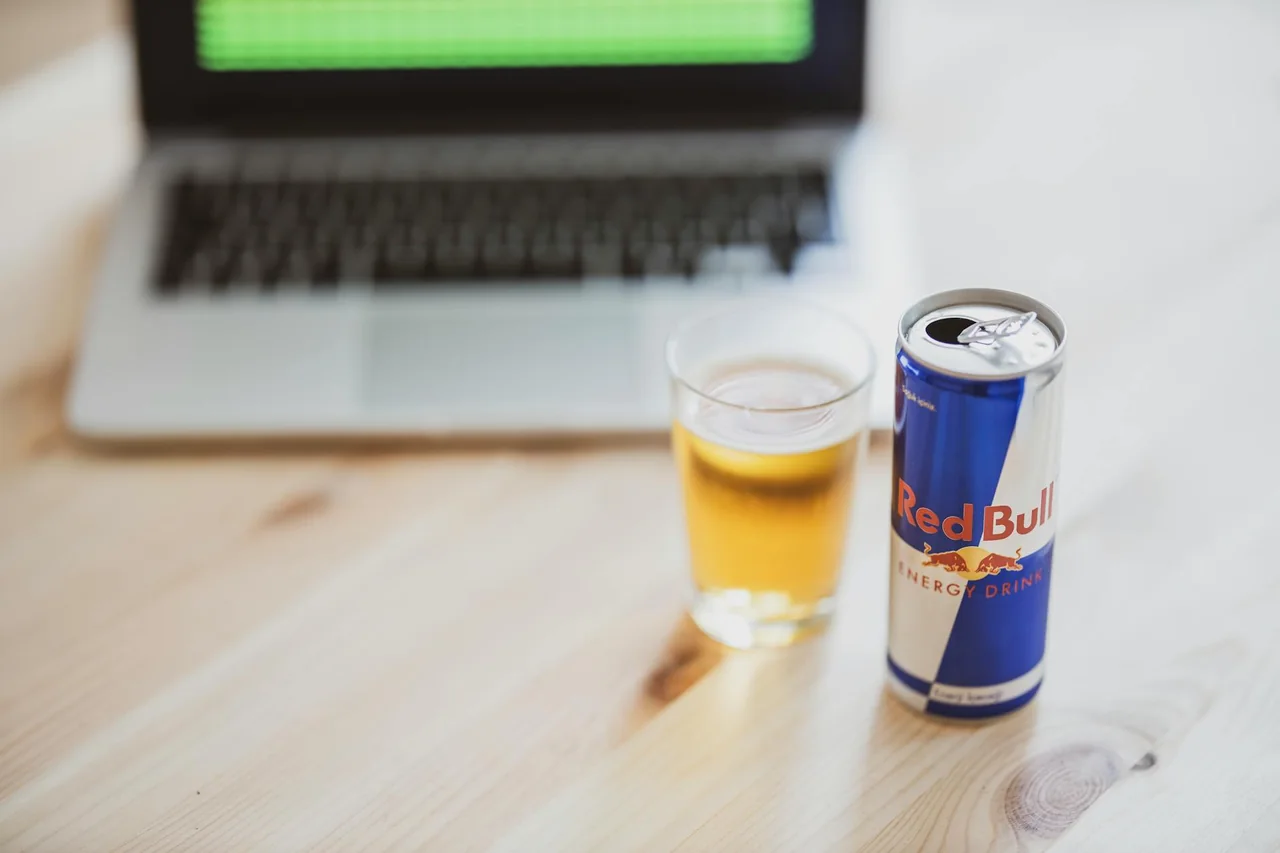
- energy drinks vary a lot
- pre-workout powders can be very high
- cola and chocolate still count too
This is why “I only had two coffees” is not always helpful. One giant cafe drink may carry a much bigger hit than someone expects.
Signs you may be getting too much caffeine
Some signs are obvious. Others are easier to miss.
Common clues include:
- feeling jittery or shaky
- heart racing or feeling “buzzed” in an unpleasant way
- anxiety that feels worse after caffeine
- trouble focusing even though you feel stimulated
- stomach discomfort
- headaches when caffeine timing gets messy
- feeling tired but unable to relax
- difficulty falling asleep
- waking up feeling unrefreshed and needing even more caffeine
That last one becomes a rough cycle quickly.
Timing matters almost as much as the amount
A caffeine habit that feels fine in the morning may hit very differently later in the day.
This is why two people can have the same daily total but very different sleep quality.
If your last strong caffeine hit is late afternoon or evening, that may be enough to interfere with sleep even if your total daily amount is not outrageous.
If energy has been inconsistent, ask yourself two things:
- how much am I having?
- how late am I having it?
Many people fix the second problem before they ever need to fix the first.
The biggest sources people forget to count
Coffee gets all the attention, but it is not the only one.
Caffeine can also come from:
- black tea and green tea
- energy drinks
- pre-workout supplements
- cola drinks
- some protein bars or “energy” snacks
- chocolate
- some medications or headache products
So if you are counting intake, count everything. Not just the mugs.
What “too much” can look like in real life
Here are a few examples.
Maybe fine for many people
- one morning coffee
- one smaller midday coffee or tea
- no caffeine late in the day
Starting to add up
- large coffee in the morning
- second large coffee before lunch
- afternoon tea
- evening cola
Easy to overshoot
- coffee
- coffee
- energy drink
- pre-workout
- another coffee because you are tired from sleeping badly
That last pattern is where caffeine stops helping and starts propping up the mess it helped create.
Why caffeine feels less helpful over time sometimes

Caffeine can be genuinely useful. It can improve alertness, help you feel more switched on, and fit just fine in a healthy routine.
But when it becomes the main tool for surviving:
- poor sleep
- irregular meals
- stress
- burnout
- dehydration
it often starts feeling less magical.
That is when people say things like:
- “Coffee does not even work on me anymore.”
- “I am tired and wired at the same time.”
- “I need caffeine just to feel normal.”
At that point, the deeper issue may not be coffee itself.
How to tell if you should cut back
You do not need to panic over every cup. But it may be worth cutting back if:
- sleep is getting worse
- you feel jittery often
- anxiety spikes after caffeine
- you rely on it constantly just to get through normal days
- late-day fatigue keeps leading to more caffeine instead of better rest
A simple short experiment helps.
For one week:
- track what you actually drink
- note the rough caffeine amount if possible
- pay attention to the time of day
- notice sleep, mood, and afternoon crashes
You may spot the problem faster than expected.
How to cut back without making yourself miserable

The worst way to reduce caffeine is often the all-at-once hero move.
That tends to lead to headaches, low mood, and a rebound straight back to old habits.
A better approach is gradual.
Try things like:
- make the second cup smaller
- move the last caffeinated drink earlier
- swap one afternoon coffee for decaf or herbal tea
- stop doubling up coffee with energy drinks
- reduce pre-workout caffeine if you already had coffee
Small adjustments usually stick better.
What about people who are extra sensitive?
Some people simply feel caffeine more strongly.
That can happen because of:
- genetics
- anxiety sensitivity
- lower tolerance
- certain medications
- pregnancy
- sleep issues already in the background
If you know you are sensitive, do not compare yourself with someone who can drink coffee at 6 p.m. and sleep like nothing happened.
Your better limit may be much lower.
The bottom line
How much caffeine is too much depends on the person, but around 400 mg per day is a common upper reference point for many healthy adults.
Still, the more useful question is often:
- does this amount work well for me?
- does it hurt my sleep?
- am I using caffeine strategically, or constantly?
If caffeine is leaving you jittery, restless, anxious, or stuck in a tired-and-wired cycle, cutting back a little and moving it earlier in the day is often a smarter move than simply pouring another cup.
Sources
Related reading: If you want the most useful coffee follow-up pieces, see Best Time to Drink Coffee for Energy, Focus, and Better Sleep and Is Coffee on an Empty Stomach Bad for You? What to Know Before Your First Cup.
Purpleflow publishes informational content, not personal medical advice. See our wellness disclaimer and editorial policy.