Bloating is one of those symptoms almost everyone gets, but the reason is not always the same. Sometimes it is as simple as eating too fast or having a large meal. Other times it is linked to constipation, food intolerance, IBS, or a health issue that deserves proper medical attention.
The useful question is not just “How do I get rid of bloating right now?” It is “What pattern keeps causing it?” Once you spot the pattern, the fix is usually more practical than dramatic.
What bloating usually means

Bloating can mean a feeling of fullness, pressure, tightness, or swelling in your abdomen. Sometimes your stomach looks larger than usual. Sometimes it mainly feels uncomfortable without much visible change.
Common signs include:
- a full or stretched feeling in the stomach
- mild tummy discomfort or pressure
- extra burping or gas
- rumbling or noisy digestion
- a feeling that your clothes are tighter around the waist
According to the NHS and NIDDK, gas is a common reason, but it is not the only one. Constipation, food intolerance, IBS, and hormonal changes can all play a role.
9 common reasons bloating happens

1. You are swallowing more air than you realize
You do not need to be doing anything unusual for this to happen. Eating quickly, drinking too fast, talking while chewing, or gulping down meals on the go can all increase the amount of air you swallow.
What to do:
- slow down one meal a day on purpose
- put your fork down between bites
- chew with your mouth closed
- sit upright while eating instead of half-slouching at a desk or on the sofa
This is one of the easiest causes to miss because the meal itself may be fine. The pace is the problem.
2. Fizzy drinks, chewing gum, or hard candy are adding extra gas
Carbonated drinks literally bring more gas into your digestive system. Chewing gum and sucking hard candies can also increase swallowed air. NIDDK also lists smoking and loose dentures as possible contributors.
What to do:
- switch one fizzy drink a day to water or another still drink
- take a week off gum and see if your symptoms change
- notice whether bloating shows up more after diet sodas, sparkling water, or sugar-free mints
You do not need to ban these forever. You just need to find out whether they are a trigger for you.
3. Large meals are leaving you feeling stretched and heavy
Sometimes bloating is not about a serious digestive issue. A very large meal can simply leave your stomach feeling overfull and uncomfortable, especially if it is rich, salty, spicy, or eaten late at night.
What to do:
- try smaller, more regular meals for a few days
- avoid going from “hardly ate all day” to “huge dinner”
- sit upright after meals instead of lying down straight away
- keep late-night meals lighter if evenings are when bloating hits hardest
If your bloating mostly shows up after restaurant meals, takeaway nights, or big weekend meals, this is worth testing first.
4. Constipation is backing things up
Constipation is one of the most common reasons people feel bloated. If stool is moving slowly, gas and pressure can build up behind it. You may also feel full, crampy, or like your stomach is harder than usual.
What to do:
- drink enough fluids consistently, not just when you remember
- walk daily, even for 10 to 15 minutes
- add soluble fiber gradually through foods like oats, chia, kiwi, or linseeds
- do not ignore the urge to go to the toilet
If constipation is ongoing, painful, or comes with bleeding or persistent abdominal pain, it is worth getting checked rather than just living on random laxatives.
5. Some foods naturally create more gas
Your gut bacteria break down certain carbohydrates that your body does not fully digest before they reach the large intestine. That process can create gas. Common culprits include beans, lentils, onions, some cruciferous vegetables, and large sudden increases in fiber.
That does not mean these foods are “bad.” Many are very healthy. It just means portion size, preparation, and timing matter.
What to do:
- increase fiber gradually instead of doubling it overnight
- cook vegetables well if raw versions seem harder to tolerate
- pay attention to portions of beans, lentils, onions, and very high-fiber meals
- keep a simple food-and-symptom log for a few days before cutting out lots of foods
The goal is not a tiny, fear-based diet. It is learning which foods are fine for you, in what amount, and at what time.
6. A food intolerance may be involved
Food intolerance can cause bloating, gas, abdominal discomfort, and sometimes diarrhea. Lactose intolerance is a common example. Some people also react to other carbohydrates, including fructose or sugar alcohols found in certain drinks, sweets, and protein products.
What to do:
- look for repeat patterns rather than blaming the last thing you ate once
- test one suspected trigger at a time
- if dairy seems to be the issue, try a short structured reduction instead of making random guesses
- read labels on protein bars, gums, and “sugar-free” products, which often contain sugar alcohols
If many foods seem to trigger symptoms, a registered dietitian can help you do this in a more sensible way.
7. IBS or a sensitive gut can make normal gas feel much worse
IBS is not just “a bit of a bad stomach.” It is a pattern of abdominal pain plus bowel changes, such as diarrhea, constipation, or both. With IBS, even normal amounts of gas or gut movement can feel more painful or noticeable.
What to do:
- notice whether bloating comes with pain and bowel changes
- keep a brief log of symptoms, stress, meals, and bathroom habits
- avoid trying five different supplements at once
- speak to a doctor if IBS seems possible, especially if symptoms are frequent
Some people with IBS do better with a low-FODMAP approach, but it is best used short term and ideally with professional guidance, not as a forever diet.
8. Hormonal changes around your period can cause temporary bloating
Many people notice bloating before or during their period. This is common and often linked to hormone-related fluid shifts and digestion changes rather than a separate digestive disease.
What to do:
- stay hydrated
- keep meals a bit smaller and simpler on bloated days
- go for a walk rather than staying curled up all day if you can manage it
- keep salty ultra-processed foods sensible if they make water retention worse for you
If the bloating is clearly cyclical and settles afterward, hormones may be a big part of the picture.
9. Persistent bloating may need a proper medical check
Most bloating is not an emergency. But persistent bloating that keeps happening, does not respond to simple changes, or comes with other symptoms should not be brushed off. The NHS notes that bloating that does not go away can sometimes be a sign of something more serious. NIDDK also lists conditions like celiac disease, GERD, gastroparesis, small intestinal bacterial overgrowth, and bowel obstruction among possible causes of gas-related symptoms.
What to do:
- book a medical review if bloating is frequent or getting worse
- get checked sooner if you also have weight loss, blood in your stool, fever, vomiting, or severe pain
- do not self-diagnose celiac disease or long-term food restrictions without proper guidance
A good rule: occasional bloating after obvious triggers is common; ongoing unexplained bloating deserves attention.
What to do this week if you feel bloated often
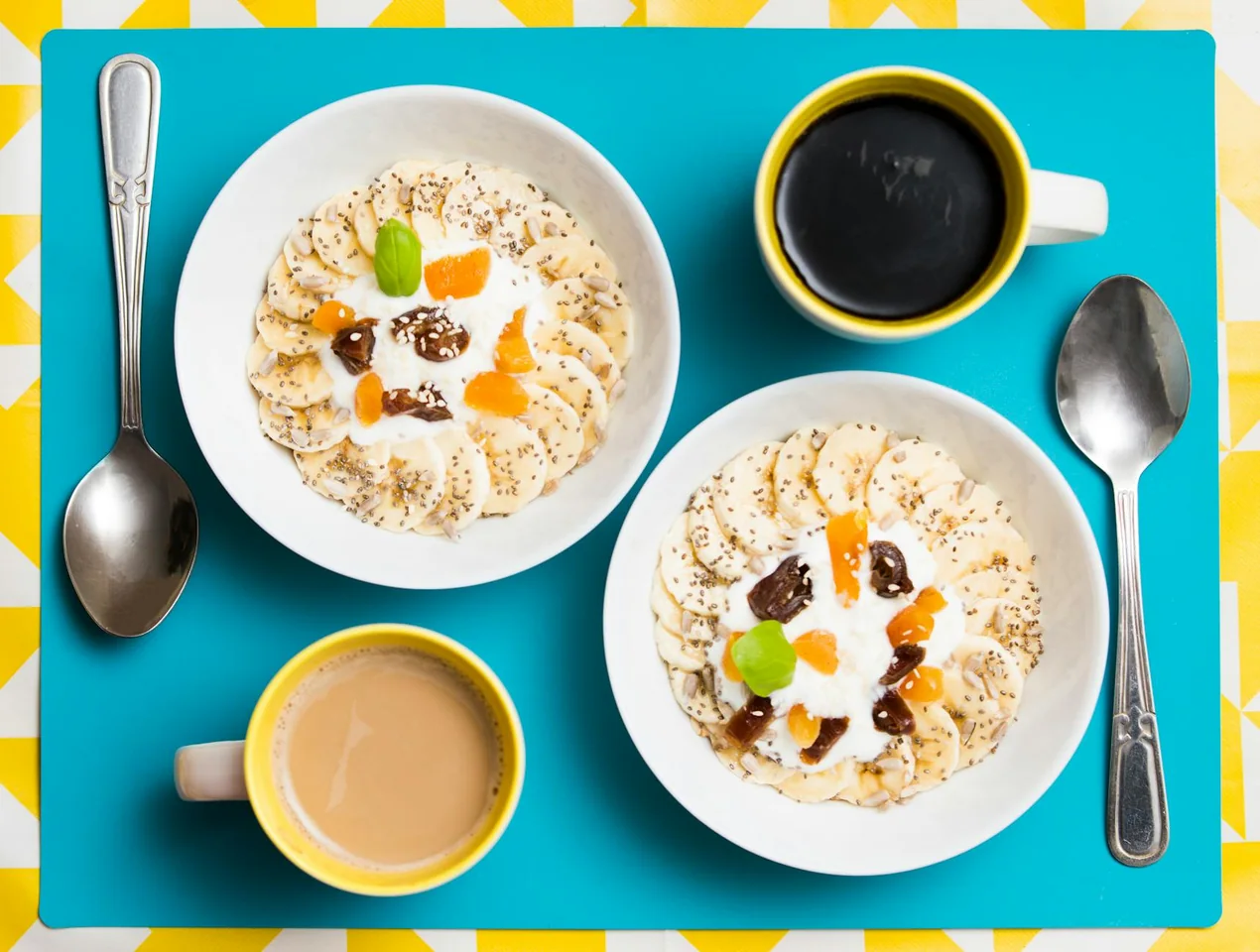
You do not need a full gut reset, expensive powders, or a “detox.” Start with a calm, boring, useful experiment.
Try this 5-step reset
-
Track three days of meals and symptoms.
Write down what you ate, when you ate, how fast you ate, and when bloating showed up. -
Slow down one meal every day.
This sounds basic because it is basic, but it works more often than people expect. -
Swap fizzy drinks for still drinks.
Water, regular tea, peppermint tea, or ginger tea can be a simpler test. -
Walk for 10 to 15 minutes after meals.
Gentle movement can help digestion and is especially useful if constipation is part of the problem. -
Change one likely trigger at a time.
If you change ten things at once, you will not know what helped.
A simple “less bloated” meal template

When your stomach feels off, it can help to temporarily choose simpler meals instead of very rich ones.
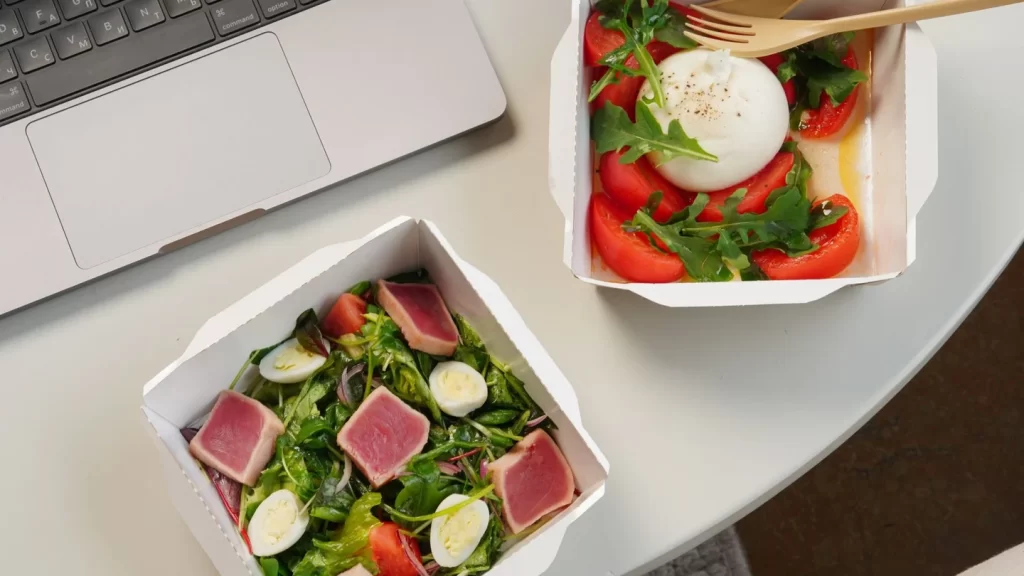
A practical plate might include:
- one easy protein source like eggs, yogurt if tolerated, tofu, chicken, or fish
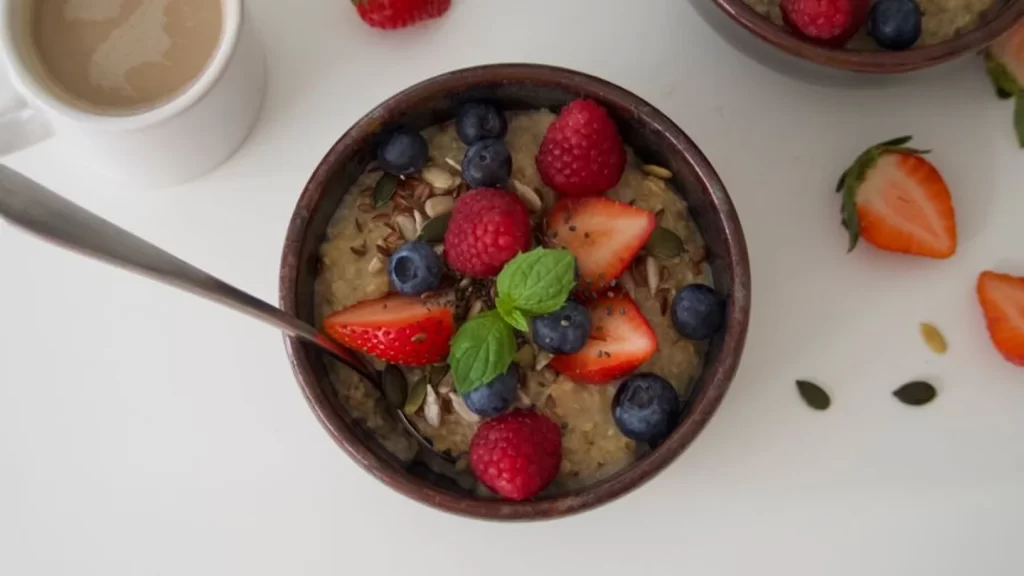
- one gentler carb like rice, oats, potatoes, or toast
- one cooked vegetable or easy fruit
- a still drink instead of a fizzy one
This is not a forever rule. It is just a way to calm things down while you figure out your triggers.
When bloating is worth medical attention
Speak to a healthcare professional if:
- you feel bloated regularly or it keeps returning
- you have bloating with unintentional weight loss
- you have blood in your stool
- your symptoms suddenly change
- bloating comes with ongoing constipation or diarrhea
- you have a lump, swelling, or pain that worries you
Get urgent help if bloating comes with:
- severe or sudden abdominal pain
- vomiting blood or vomit that looks like coffee grounds
- fever, chills, or feeling very unwell
- trouble breathing
- being unable to pass stool or gas
FAQs
Is bloating always caused by gas?
No. Gas is common, but bloating can also be linked to constipation, food intolerance, IBS, hormonal changes, or other digestive issues. Some people feel very bloated even without obvious stomach swelling.
What foods are less likely to make bloating worse?
There is no perfect universal list, but many people find simple meals easier when symptoms flare. Think oats, rice, potatoes, bananas, eggs, yogurt if tolerated, and cooked vegetables instead of large rich meals.
Are probiotics a good fix for bloating?
Sometimes, but not always. They are not a guaranteed solution, and the best choice depends on the cause of your symptoms. It usually makes more sense to identify patterns first before spending money on supplements.
Should I cut out gluten if I feel bloated?
Not automatically. Some people do have celiac disease or another reason to avoid gluten, but many do not. If you suspect gluten is a problem, it is smarter to speak to a clinician before making major long-term changes.
Disclaimer
This article is for general education and is not a diagnosis. If you have severe symptoms, red-flag symptoms, or bloating that keeps coming back, get medical advice from a qualified clinician.
Sources
- Bloating – NHS
- Symptoms & Causes of Gas in the Digestive Tract – NIDDK
- Constipation – NIDDK
- Lactose Intolerance – NIDDK
- Irritable Bowel Syndrome (IBS) – NIDDK
- Celiac Disease – NIDDK
Related reading: If you want a couple of useful next steps, see Anti-Inflammatory Foods: A Simple Grocery List for Easier Everyday Meals and How Much Water Should You Drink a Day? A Simple Hydration Guide.
Purpleflow publishes informational content, not personal medical advice. See our wellness disclaimer and editorial policy.