The phrase anti-inflammatory foods gets thrown around a lot online, usually next to expensive powders, dramatic detox promises, or a list of “superfoods” that somehow changes every week.
The more useful version is much simpler.
If you want an eating pattern that may help support lower chronic inflammation over time, the best-supported idea is not one miracle ingredient. It is a steady, plant-rich pattern built around foods like vegetables, fruit, beans, whole grains, nuts, seeds, olive oil, and fish if you eat it.
That is much less exciting than a turmeric shot. It is also much more realistic.
First, what “anti-inflammatory” actually means
Inflammation is not automatically bad.
As the Harvard Nutrition Source anti-inflammatory diet review explains, inflammation is a normal part of healing and immune defense. The concern is chronic low-grade inflammation that can build over time and is associated with long-term health problems.
That is why evidence-aware advice tends to focus on overall dietary patterns, not one food acting like medicine.
In practice, anti-inflammatory eating usually means:
- more vegetables and fruit
- more fiber-rich foods like beans and whole grains
- more unsaturated fats from foods like olive oil, nuts, seeds, and fish
- fewer sugary drinks, heavily processed meats, and fried foods crowding out the basics
The simplest anti-inflammatory grocery list
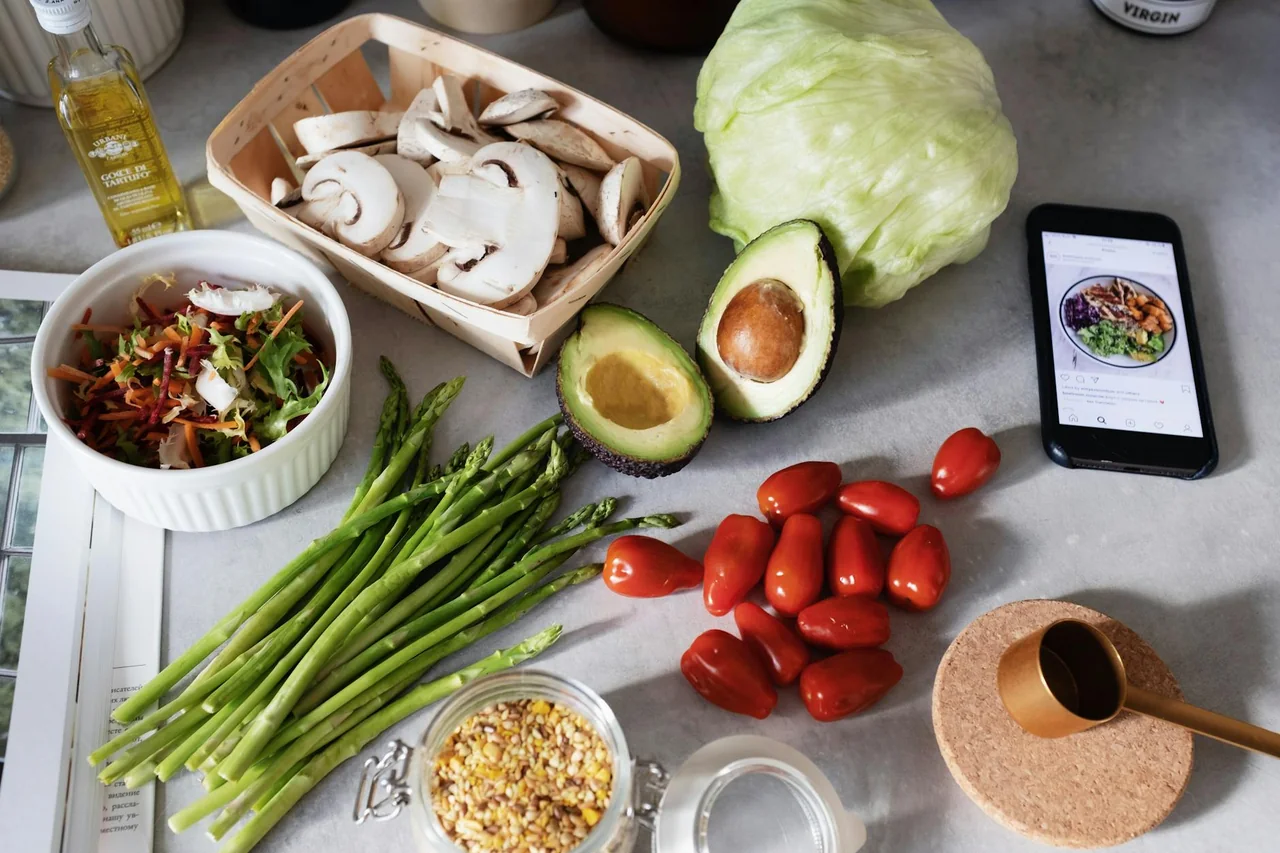
You do not need to buy everything below. Think of this as a mix-and-match cart, not a perfect checklist.
1. Vegetables: the everyday base
Aim to make vegetables the part of your list that shows up most often.
Easy options:
- leafy greens like spinach, kale, or mixed greens
- broccoli or cauliflower
- cabbage
- carrots
- tomatoes
- onions
- bell peppers
- frozen mixed vegetables
Why these help:
- they add fiber and volume
- they make meals more filling without requiring complicated cooking
- a colorful mix gives you a wider range of plant compounds over time
The Harvard vegetables and fruits guide emphasizes both quantity and variety.
2. Fruit: practical, not precious
Fruit belongs on an anti-inflammatory grocery list too.
Useful choices:
- berries, fresh or frozen
- apples
- oranges
- pears
- grapes
- cherries when affordable and in season
You do not need expensive fruit bowls or rare berries. Frozen berries and everyday fruit are completely reasonable.
3. Beans and lentils: low-cost, high-value staples
If you want one of the best “anti-inflammatory foods” categories for real life, this is it.
Good choices:
- lentils
- chickpeas
- black beans
- kidney beans
- white beans
- split peas
According to Harvard’s legumes and pulses guide, legumes are an inexpensive source of protein, fiber, vitamins, and complex carbohydrates. They are easy to build meals around and work especially well if you are trying to eat less processed meat.
4. Whole grains: more steady than ultra-refined staples
Useful whole-grain options include:
- oats
- brown rice
- barley
- farro
- quinoa if it fits your budget
- whole grain bread
- whole wheat pasta
The Harvard whole grains guide favors whole grains over refined grains because they bring more fiber and nutrients and tend to have a gentler effect on blood sugar.
This does not mean every meal has to be perfect. It just means your everyday defaults can lean a little less processed.
5. Healthy fats: what you cook with matters too
An anti-inflammatory grocery list usually includes more unsaturated fats and fewer highly processed, fried, or saturated-fat-heavy defaults.
Useful options:
- extra-virgin olive oil
- nuts like walnuts or almonds
- seeds like chia, flax, pumpkin, or sesame
- natural nut butter
- avocado when affordable
The Harvard fats guide notes that unsaturated fats can be beneficial, while the overall pattern matters more than obsessing over one ingredient.
6. Protein options that fit the pattern
You do not have to become vegetarian to eat in a more anti-inflammatory way.
Helpful protein choices include:
- beans and lentils
- tofu or tempeh
- fish such as salmon, sardines, herring, or mackerel
- yogurt, especially plain yogurt if it works for you
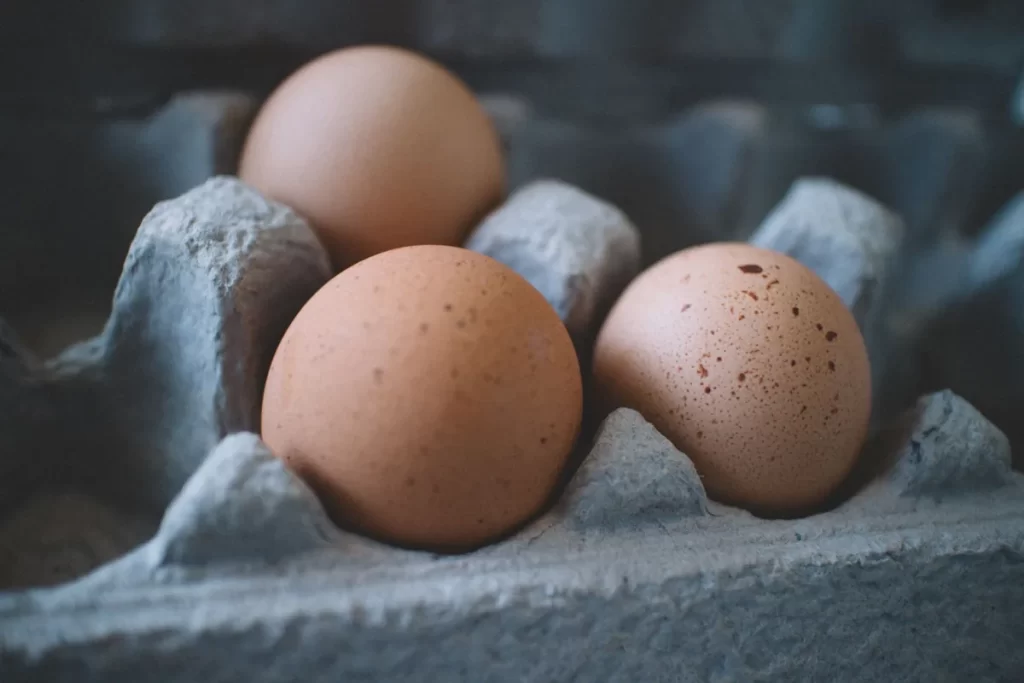
- eggs, depending on your overall eating pattern
- nuts and seeds as supporting proteins, not just toppings
The Harvard anti-inflammatory diet review notes that Mediterranean-style and DASH-style eating patterns already include many foods commonly considered anti-inflammatory.
7. Herbs, spices, tea, and coffee
These are useful add-ons, not magic fixes.
Good options:
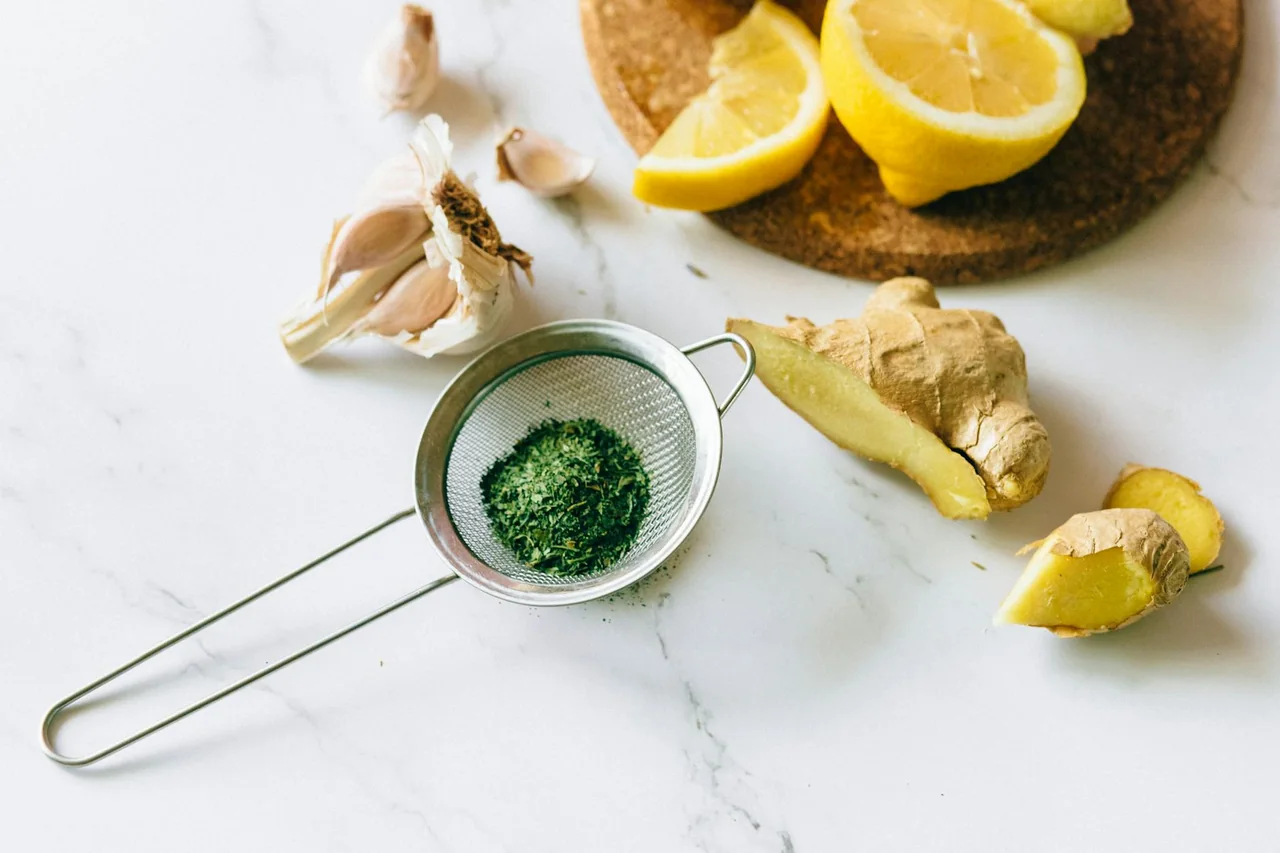
- garlic
- ginger
- turmeric
- cinnamon
- herbs like parsley, cilantro, oregano, or basil
- tea
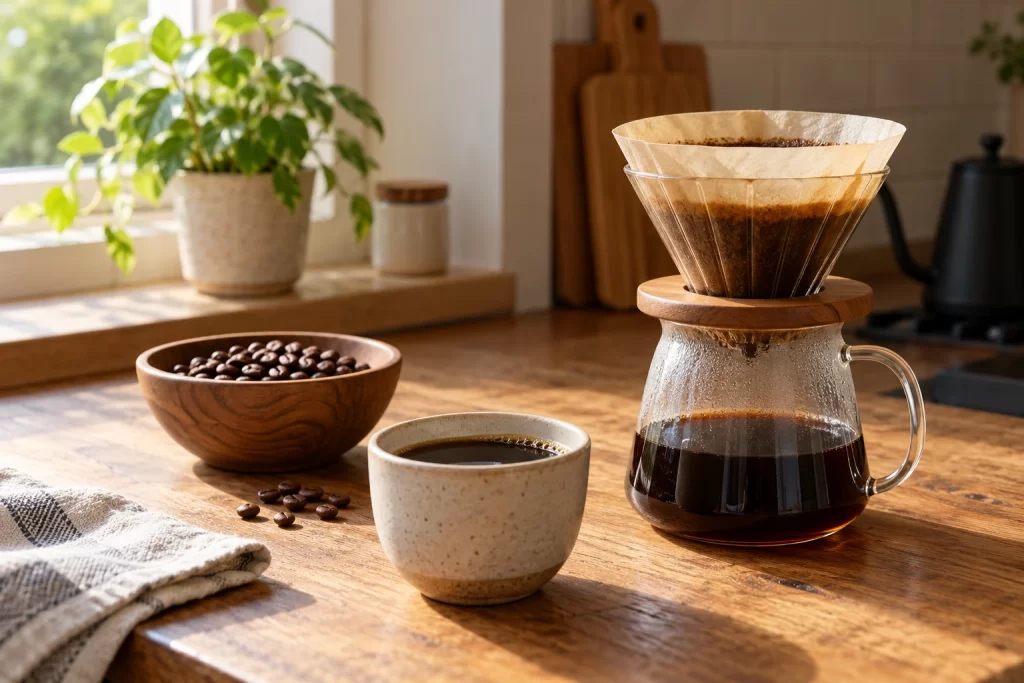
- coffee, if it agrees with you
Harvard’s anti-inflammatory diet page specifically lists tea, coffee, herbs, and spices among foods that may fit this overall pattern.
That does not mean a cinnamon latte and one spoon of turmeric cancel out a week of takeout. It just means these foods can be part of the picture.
Foods to buy less often if you are aiming for a more anti-inflammatory pattern
You do not need a fear-based banned-food list, but it helps to know what usually deserves less space in the cart.
Sugary drinks and ultra-sweet snacks
These are easy to overdo and do not contribute much satiety or nutrition.
Processed meats
Examples include:
- bacon
- sausage
- hot dogs
- deli meats used constantly as a default protein
Frequent fried foods
These can crowd out the kinds of foods most anti-inflammatory eating patterns tend to emphasize.
Heavy alcohol intake
Moderation matters here. A pattern that supports health overall usually does not pair well with frequent heavy drinking.
Easy anti-inflammatory meals from a normal grocery trip
The goal is not just to buy the food. It is to turn it into meals that are easy enough to repeat.
Breakfast ideas
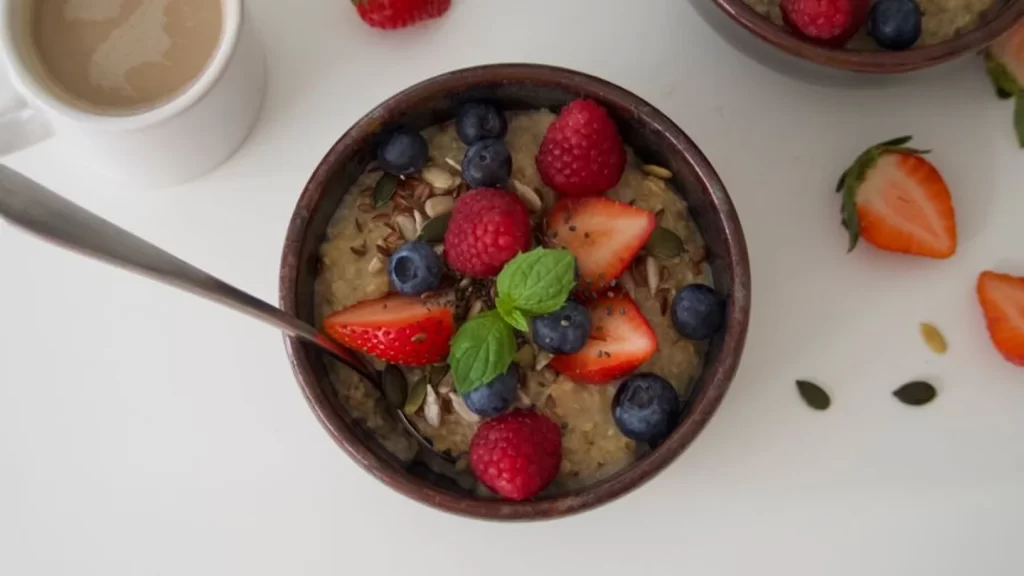
- Oats with berries, yogurt, and chia or flax
- Plain yogurt with fruit and walnuts
- Eggs with spinach and whole grain toast
Lunch ideas
- Lentil soup with carrots, onions, and greens
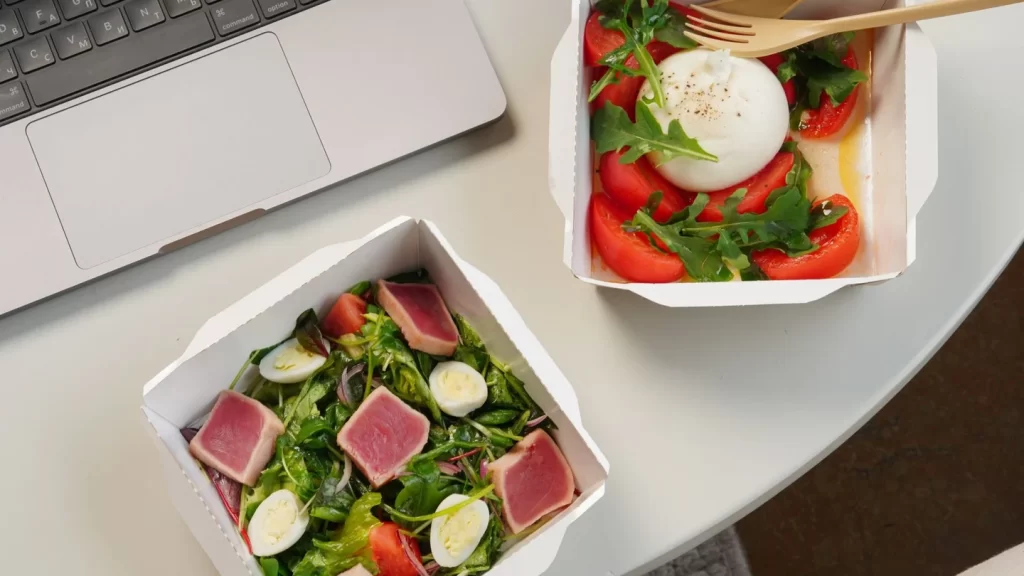
- Chickpea salad bowl with cucumbers, tomatoes, olive oil, and lemon
- Leftover grain bowl with vegetables and beans
Dinner ideas
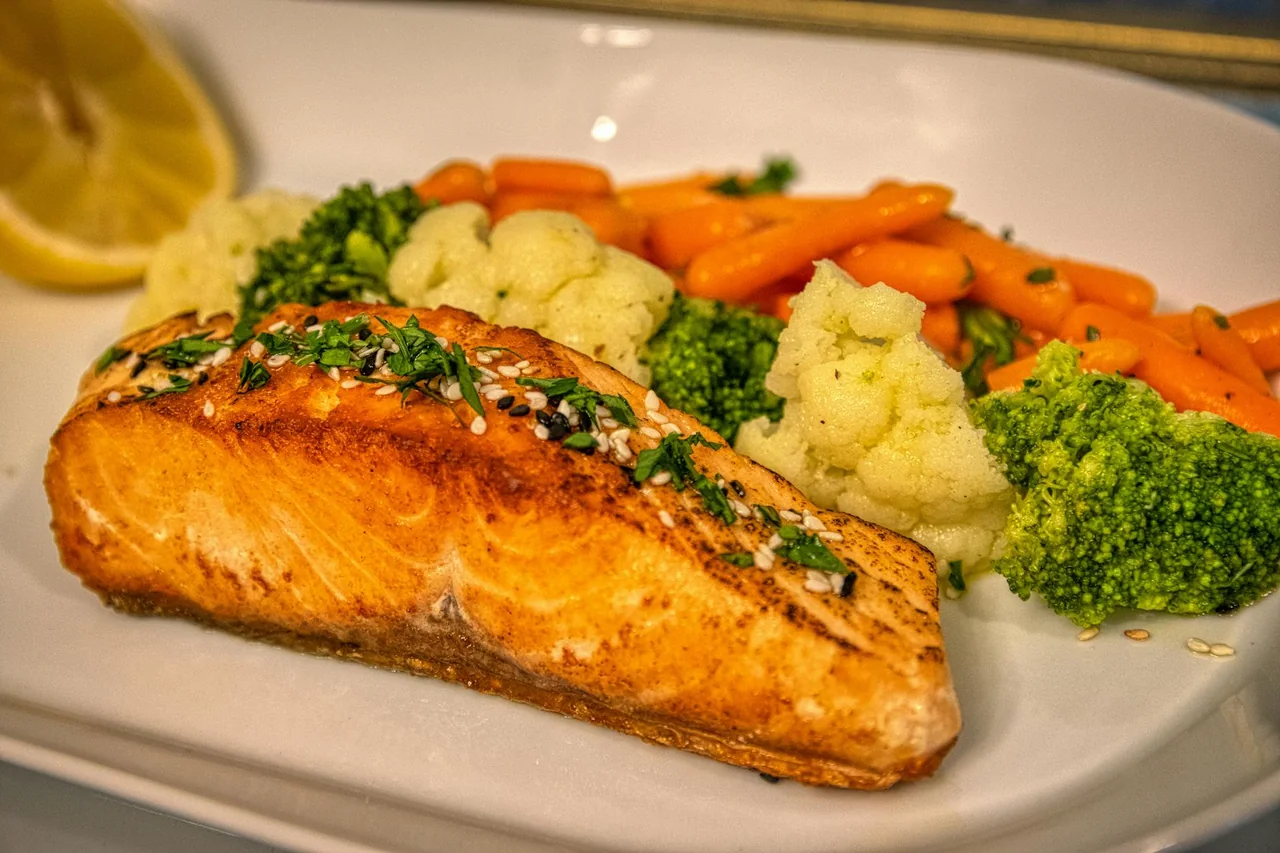
- Salmon, brown rice, and broccoli
- White beans with tomatoes, garlic, greens, and olive oil
- Tofu and vegetable stir-fry over rice
- Whole grain pasta with olive oil, vegetables, and chickpeas
Snack ideas
- fruit and nuts
- yogurt with seeds
- carrots or peppers with hummus
- apple with peanut butter
A budget-friendly version of the same idea
Anti-inflammatory eating does not need to be expensive.
If you want the lower-cost version, prioritize:
- frozen vegetables
- frozen berries when fresh berries are pricey
- oats
- lentils
- canned beans
- brown rice or another affordable grain
- olive oil
- one nut or seed instead of five different kinds
- canned sardines or canned salmon if fresh fish is too expensive
That is still a strong grocery foundation.
What anti-inflammatory foods can and cannot do
This part matters.
Food can support health. It can shape your daily pattern. It can make meals more nourishing and lower in heavily processed ingredients.
But food does not mean:
- instant pain relief
- a cure for autoimmune disease
- a guaranteed fix for bloating, fatigue, joint pain, or skin issues
- a replacement for medical treatment
If you have significant symptoms, persistent digestive issues, or inflammatory conditions, food may be one part of the picture, not the whole plan.
FAQs
Do I need to cut gluten or dairy to eat anti-inflammatory foods?
Not automatically. Some people personally feel better limiting certain foods, and some medical conditions require it. But there is no universal rule that everyone needs to remove gluten or dairy to follow a more anti-inflammatory eating pattern.
Is coffee inflammatory?
Not necessarily. In fact, Harvard includes coffee among foods that can fit within an anti-inflammatory pattern. The bigger issue is whether coffee works for you in terms of sleep, stomach comfort, and total caffeine.
Are turmeric and ginger worth buying?
Yes, if you enjoy them. They are useful flavor ingredients and can fit into a healthy pattern. But they are not miracle foods, and you do not need supplements or expensive shots for your grocery list to be worthwhile.
How long does it take to notice a difference?
That depends on what you mean by “difference.” Some people notice better meal quality, digestion, or steadier energy within a couple of weeks of eating more consistently. Bigger health outcomes are longer-term and depend on your overall lifestyle, stress, sleep, movement, and medical context too.
Is an anti-inflammatory diet the same as the Mediterranean diet?
Not exactly, but there is a big overlap. The strongest evidence tends to favor broad eating patterns like Mediterranean-style or DASH-style eating rather than one branded anti-inflammatory food list.
The calm version to remember
If you want a practical anti-inflammatory grocery list, do this:
- fill your cart mostly with vegetables, fruit, beans, and whole grains
- add healthy fats like olive oil, nuts, and seeds
- choose simple proteins like legumes, fish, tofu, yogurt, or eggs depending on your preferences
- buy fewer highly processed foods that push out the basics
That is not trendy advice.
It is just the kind of advice you can still use next week.
Disclaimer
This article is for general education and does not replace medical advice. If you have autoimmune disease, inflammatory bowel disease, significant digestive symptoms, food allergies, or a medically prescribed eating plan, work with a qualified clinician or dietitian for personal guidance.
Sources and further reading
- Harvard Nutrition Source: Anti-Inflammatory Diet
- Harvard Nutrition Source: Healthy Eating Plate
- Harvard Nutrition Source: Vegetables and Fruits
- Harvard Nutrition Source: Legumes and Pulses
- Harvard Nutrition Source: Whole Grains
- Harvard Nutrition Source: Types of Fat
Sources
- Anti-Inflammatory Diet
- Healthy Eating Plate
- Vegetables and Fruits
- Legumes and Pulses
- Whole Grains
- Types of Fat
Related reading: If you want to make this easier to apply at the store and at home, see Healthy Grocery List on a Budget: What to Buy for a Week of Easy Meals and 5 Simple Ways to Boost Your Immune System Naturally This Week.
Purpleflow publishes informational content, not personal medical advice. See our wellness disclaimer and editorial policy.