One of the most common health questions people ask is how much water should you drink a day. It sounds simple, but the answers online are often confusing. Some make it sound like everyone needs the exact same amount. Others turn hydration into a performance challenge with giant bottles, color-coded schedules, and rules that feel harder than they should.
The truth is more useful than that. There is no single perfect number that fits every person, every climate, and every kind of day. Your water needs change based on your size, activity, weather, food, and overall health. That is why a simple hydration guide usually works better than a rigid formula.
This article gives you a practical way to think about hydration so you can stop guessing and start doing what actually helps. We will cover what changes your water needs, how to spot when you may need more, and how to build a daily water habit without overcomplicating it.
The Short Answer: It Depends, but Most People Need More Consistency
If you are looking for one exact number, that is usually the wrong starting point. A better question is: are you drinking enough for your body, your environment, and your routine? Many healthy adults can use simple cues like thirst, urine color, how often they drink through the day, and whether they feel dry, sluggish, or headachy.
What matters most is not whether your intake matches a trendy challenge. It is whether your body is getting enough fluid to function normally. If you go hours without drinking, only remember water when you feel awful, or replace most fluids with sugary drinks, your hydration habits probably need work.
For most people, the real problem is not precision. It is inconsistency.
Why Hydration Matters More Than People Think
Water helps your body do basic jobs all day. It supports temperature control, circulation, digestion, and normal body function. When you are not drinking enough, the effects are often more noticeable than people expect. Mild dehydration can show up as tiredness, poor concentration, headaches, dry mouth, constipation, or feeling off without knowing why.
That is one reason hydration connects to so many other health habits. If you feel tired all the time, hydration is worth checking. If workouts feel harder than expected, hydration matters. If you want better mornings, starting with water often helps. The habit is simple, but the impact is wide.
If low energy has been a problem for you, this guide pairs well with Why Am I Always Tired? because hydration is one of the easiest hidden drains to fix.
What Changes How Much Water You Need?
Your water needs are not static. They shift depending on the day. Common factors include:
- Weather: hot or humid days usually increase fluid loss
- Exercise: more movement and sweating usually mean you need more
- Body size: different bodies naturally have different needs
- Diet: salty meals, more protein, or lower-water foods can increase needs
- Pregnancy or breastfeeding: fluid needs can change
- Illness: fever, vomiting, or diarrhea can raise dehydration risk fast
This is why exact online hydration rules are often misleading. A desk day in cool weather is not the same as a workout day in the heat.
Signs You May Need More Water
You do not always need a calculator to know your hydration is off. Common signs include:
- Dry mouth or feeling unusually thirsty
- Headaches or mental fog
- Feeling more tired than usual
- Darker urine than normal
- Constipation
- Feeling flat during exercise
These signs can have multiple causes, but hydration is easy enough to improve that it is worth testing first if your daily intake is clearly weak.

A Simple Daily Hydration Guide That Actually Works
If you want a practical framework instead of vague advice, use this:
- Start the day with water. Drink a glass soon after waking.
- Drink with meals. This builds consistency without needing willpower all day.
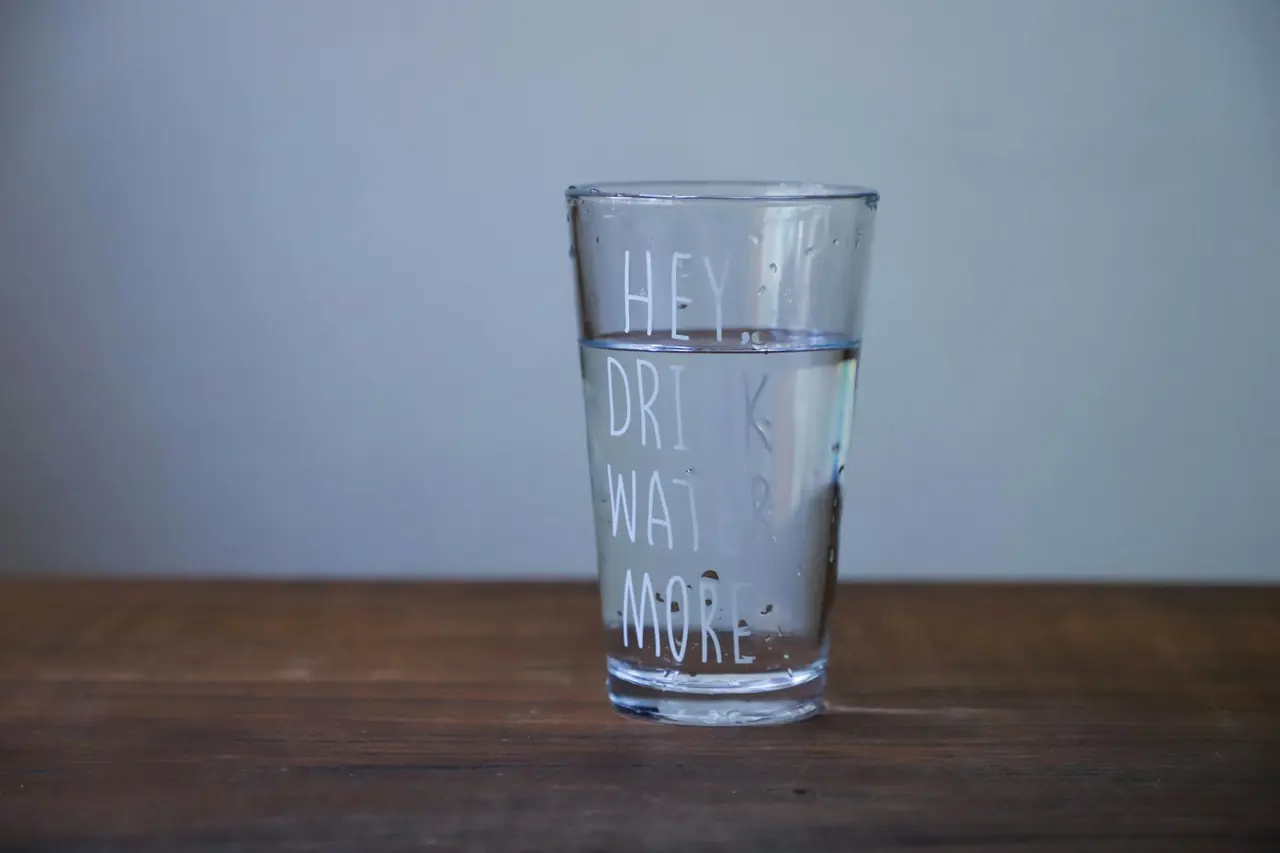
- Keep water visible. A bottle on your desk or a glass nearby makes a big difference.
- Drink around movement. Have extra water before and after walks, workouts, or hot outdoor time.
- Check how you feel. If you are dry, tired, or not drinking for long stretches, correct earlier.
This kind of system works because it fits normal life. It does not ask you to obsess. It asks you to be consistent.

Do Coffee, Tea, and Other Drinks Count?
Yes, fluids from other drinks still count toward your total intake. But that does not mean all drinks work equally well for everyday hydration. Water is still the cleanest baseline because it does the job without adding sugar or unnecessary calories.
Tea, coffee, milk, and other drinks can fit into your hydration picture, but relying entirely on sweetened drinks or caffeine is usually not the smartest move. Water should still do most of the heavy lifting. If you enjoy coffee, keep it — just do not let it replace water through the day.
If coffee is part of your morning, pair it with water instead of treating it like a substitute. That one shift already helps a lot of people.
What About Exercise Days?
On workout days, your water needs usually go up. The harder you train, the more you sweat, and the hotter the conditions are, the more attention hydration needs. That does not mean you need a sports drink for every short walk, but it does mean you should not ignore fluid loss when you are active.
A simple approach works well:
- Drink some water before training
- Have water available during longer or hotter sessions
- Rehydrate after workouts, especially if you finish sweaty or depleted
If you do intense sessions or sweat heavily, food and electrolytes also matter, not just water alone. Hydration is part of recovery, not separate from it.

Common Hydration Mistakes
The first mistake is waiting until you are very thirsty. By then, you may already be playing catch-up. The second is thinking hydration only matters when you exercise. It matters on quiet desk days too. Another common issue is mistaking random fatigue for a need for more caffeine when the real issue is that you barely drank any water.
Other mistakes include:
- Trying to “chug” huge amounts late instead of drinking steadily
- Replacing water with sugary drinks
- Forgetting that hot weather and travel raise needs
- Ignoring hydration when eating salty or very processed meals
A better goal is a more even intake from morning to evening, not dramatic catch-up.
How to Build a Water Habit If You Keep Forgetting
If you always forget to drink water, build the habit around what you already do. Attach it to existing anchors:
- After brushing your teeth
- Before coffee
- At every meal
- Before leaving the house
- After every bathroom break
You can also make water easier to want. Use a bottle you like, keep it cold if that helps, or add lemon or mint if plain water feels boring. None of that is fancy, but it makes the habit more likely to stick.
When to Be More Careful
If you have kidney disease, heart failure, fluid restrictions, or other medical issues that affect hydration, generic online advice may not apply cleanly. In those cases, follow a clinician’s guidance. And if you are vomiting, having diarrhea, or feeling significantly unwell, dehydration can become a medical issue faster than a lifestyle issue.
Final Takeaway
If you are asking how much water should you drink a day, the simplest answer is this: enough to support your body consistently, with more on days when heat, activity, or illness raise your needs. Most people do better when they stop chasing a perfect number and start building a better routine.
Drink water early, drink it regularly, and pay attention to the days when your body clearly needs more. That is the simple hydration guide most people actually need.
Related reading: If low energy is part of the problem, pair this with Why Am I Always Tired? and How to Recover Faster After a Workout.
References and Further Reading
Purpleflow publishes informational content, not personal medical advice. See our wellness disclaimer and editorial policy.