If your workouts leave you feeling wrecked for too long, the real issue may not be effort. It may be recovery. That is why so many people search for how to recover faster after a workout. They do not want more generic advice. They want to know what actually helps, what is overrated, and how to feel less sore, less drained, and more ready for the next session.
The good news is that recovery is rarely mysterious. It is usually built on a few repeatable basics: enough fluid, decent food, sleep, smarter cooldowns, and not training like every session is a punishment contest. Fancy tools can help at the margins, but they do not beat the fundamentals.
This guide gives you seven recovery habits that actually help. It also shows where people go wrong so you can stop wasting energy on habits that sound serious but do very little.
1. Rehydrate as Soon as It Makes Sense
Water is one of the fastest recovery wins because it supports so many basic functions at once. After exercise, especially if you sweated a lot, your body feels better when fluid intake catches up. Recovery feels harder when you finish a session dehydrated and then go hours without correcting it.
You do not need a complicated sports-nutrition protocol for every workout. But you do need to stop ignoring hydration if you train hard, live in heat, or finish sessions noticeably sweaty.
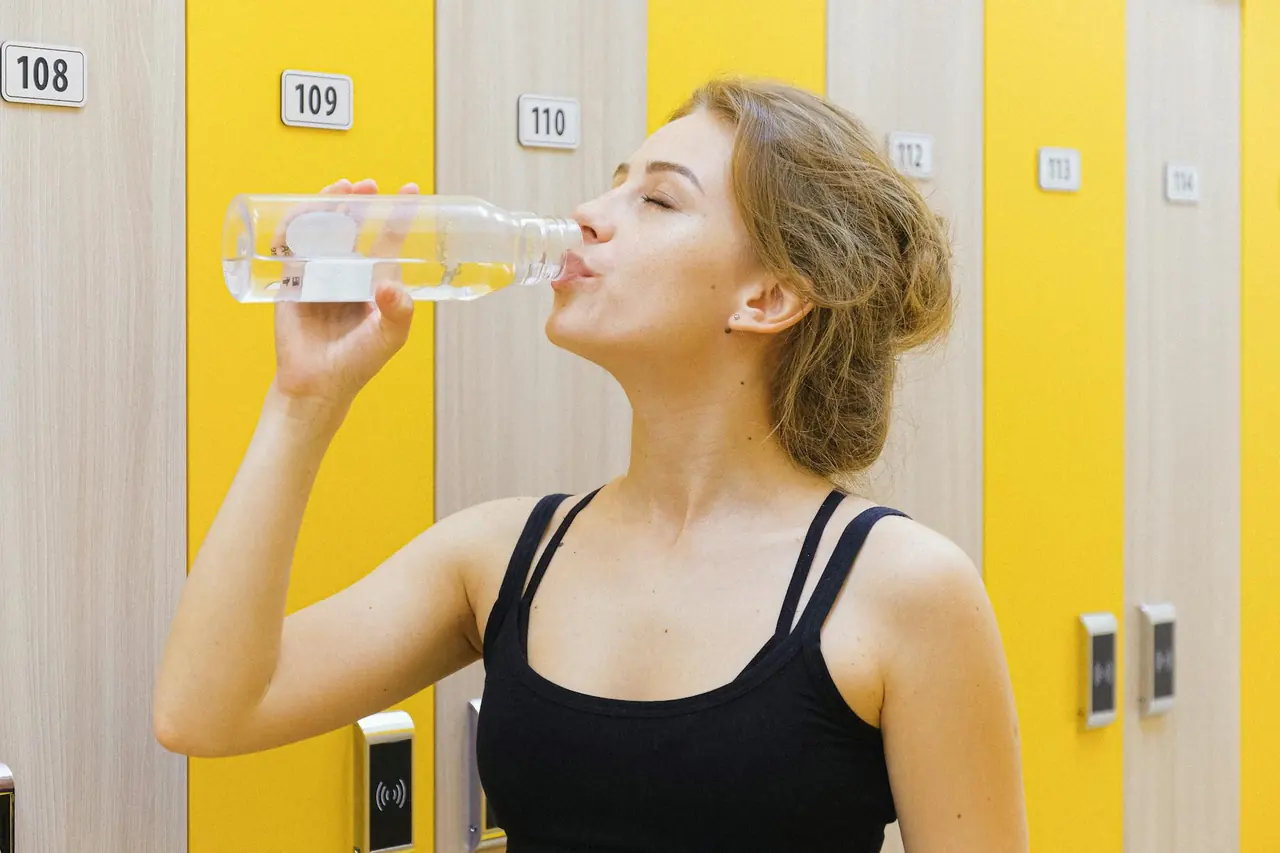
As a baseline, drink water after training, keep the habit steady through the day, and pay more attention when sessions are long, intense, or hot.
2. Eat Something That Helps Repair and Refuel
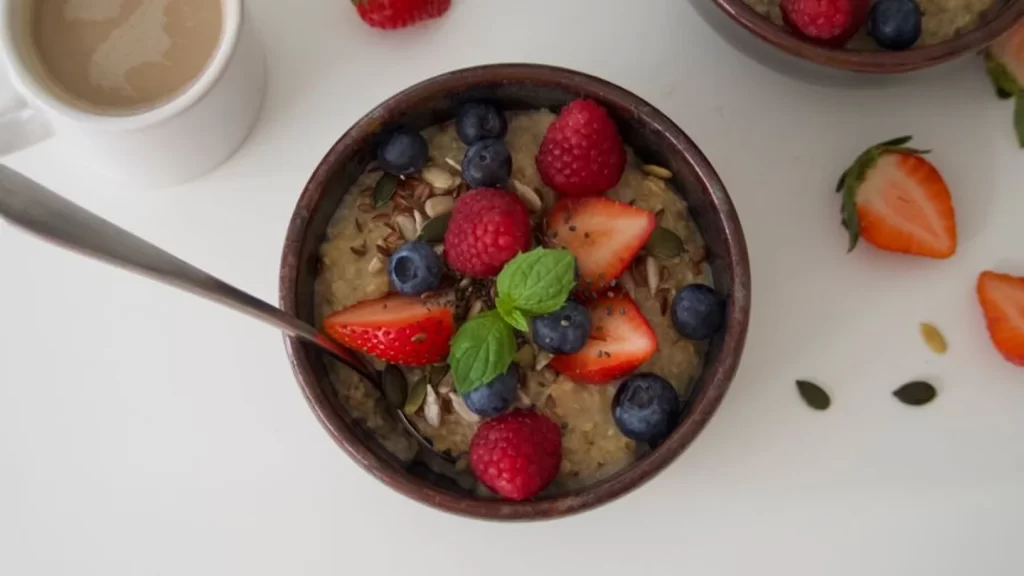
If you want to recover faster, food matters. Workouts create demand. Recovery requires support. That usually means some protein for repair and enough carbs or overall fuel to stop the session from becoming a deeper energy drain.
You do not need a perfect post-workout meal, but going too long without food after hard training is usually not helpful. A simple meal or snack works well: yogurt and fruit, eggs and toast, rice with chicken, a protein smoothie, beans and rice, or whatever fits your day and appetite.
If your workouts feel fine but recovery always feels bad, under-eating is worth looking at before buying another recovery gadget.
3. Cool Down Instead of Stopping Abruptly
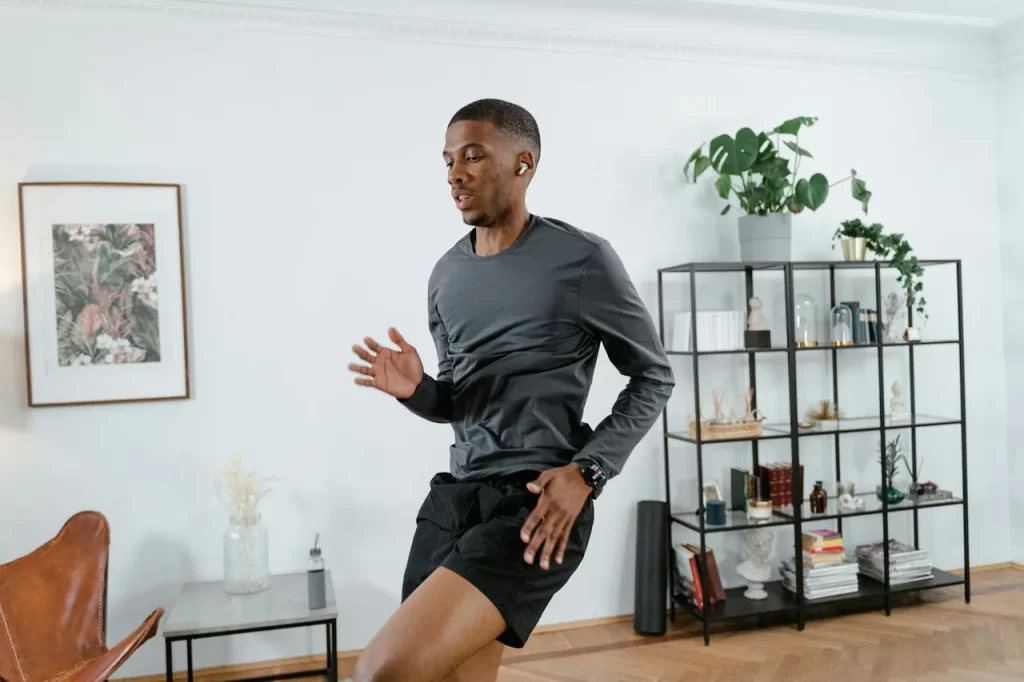
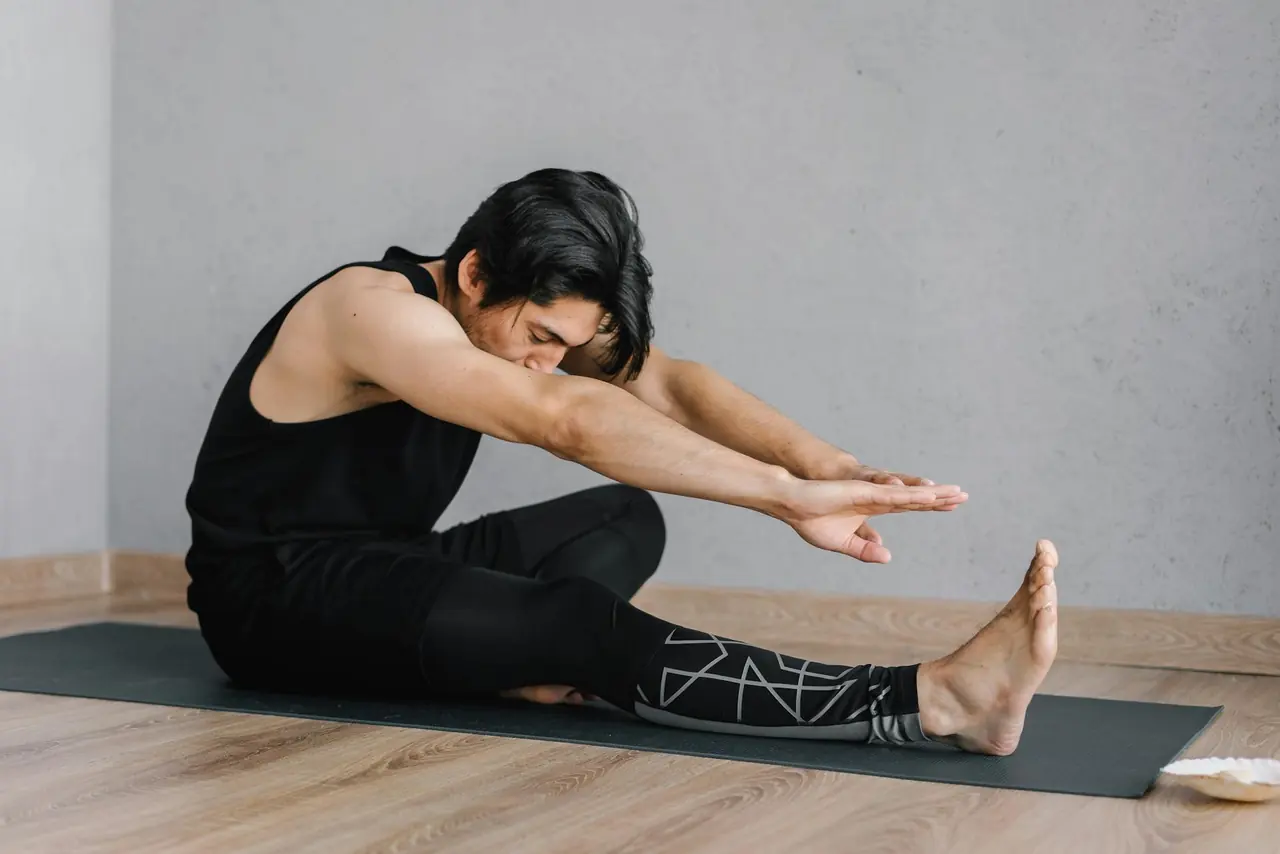
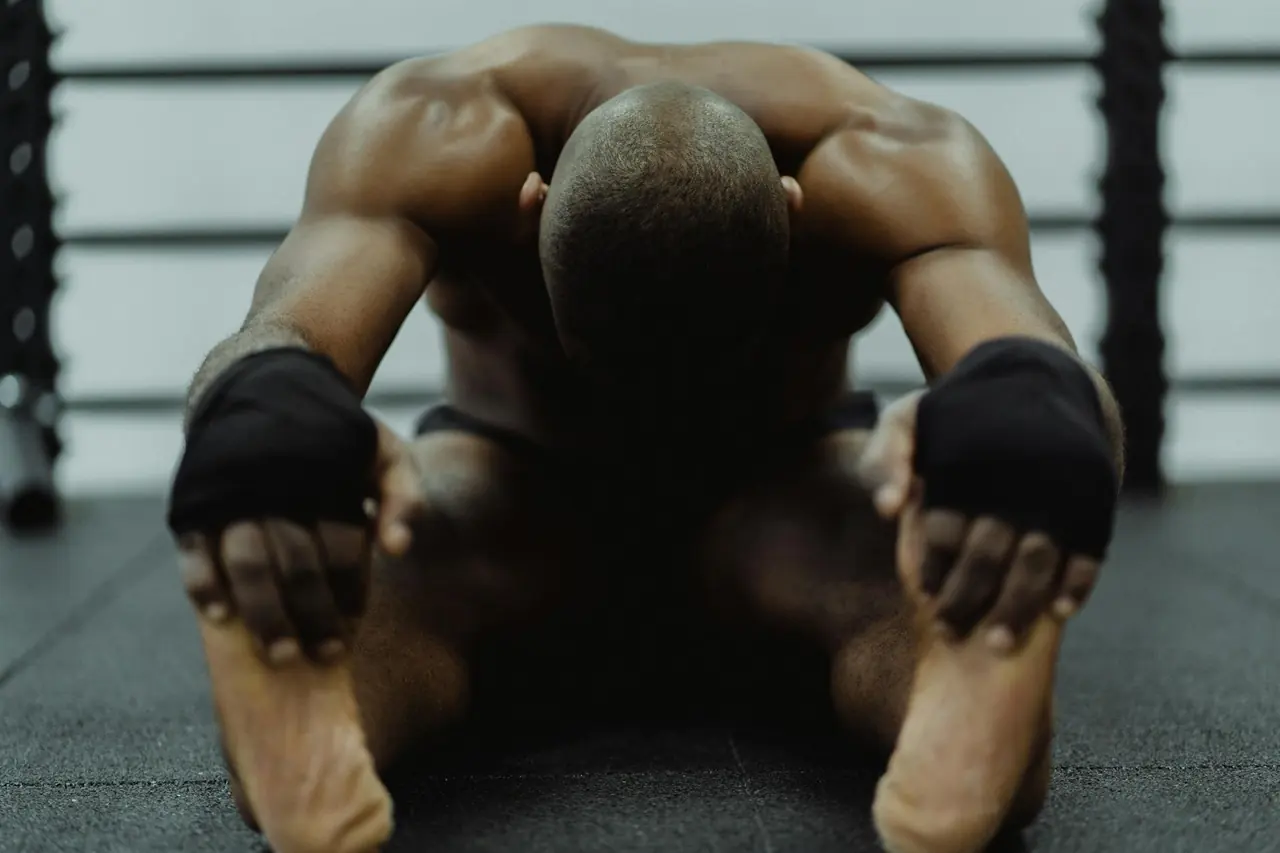
Cooldowns are underrated because they are not flashy. But a few minutes of slower movement and gentle stretching can help you transition out of training more smoothly. It gives your breathing a chance to settle and lets you finish the session feeling more composed instead of dropping straight from full effort into sitting still.
This is especially helpful after HIIT, running, or hard leg sessions where the body benefits from a more gradual landing. Purpleflow’s guide on how to stretch after a workout is built exactly for this part of the process.
4. Sleep Like It Is Part of Training
People love to talk about recovery tools, but sleep is still the biggest one. If you are not sleeping enough or your sleep quality is poor, recovery slows down fast. Soreness can feel worse, energy drops, and motivation becomes inconsistent. This is where a lot of frustrated exercisers get stuck: they want faster recovery, but the night routine does not support it.
If better recovery is the goal, sleep should be treated like part of the plan, not whatever happens after the day is over. A steadier bedtime, less late caffeine, and fewer screens right before bed often matter more than any supplement stack.
5. Use Light Movement Instead of Total Inactivity
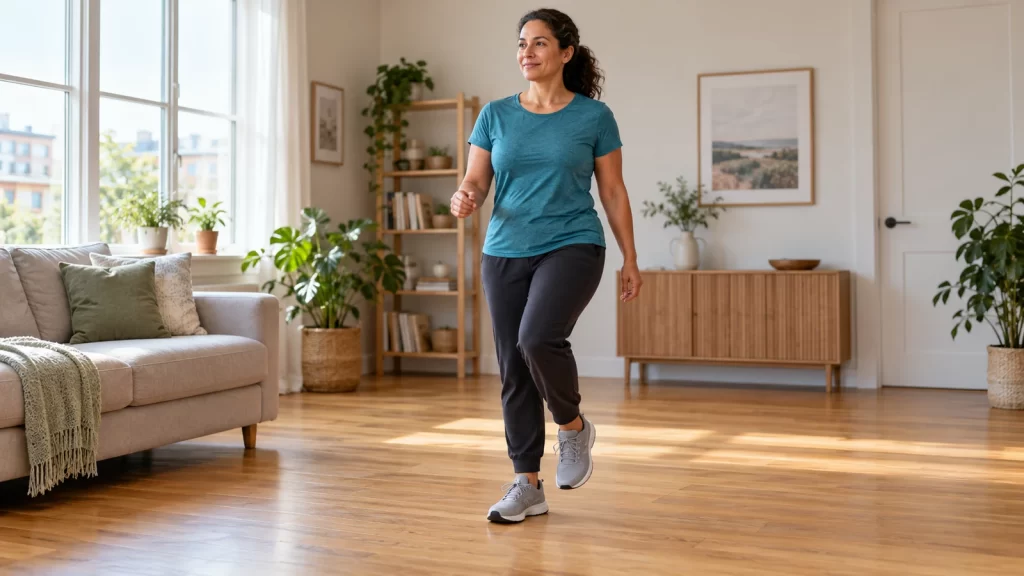
Many people assume recovery means doing nothing. Sometimes rest is exactly right. But often, light movement helps more than total stillness. A walk, gentle mobility work, or an easy stretch session the next day can reduce stiffness and help you feel less heavy than spending the whole day on the couch.
The point is not to secretly train again. It is to keep the body moving in a low-stress way that supports circulation and reduces that “everything feels locked up” feeling.
This works especially well after tough sessions because intense effort and total inactivity do not always balance out as well as people think. If post-workout food is usually the missing piece, Purpleflow’s cheap healthy meal prep guide can make recovery meals much easier to repeat.
6. Keep Recovery Tools in Perspective
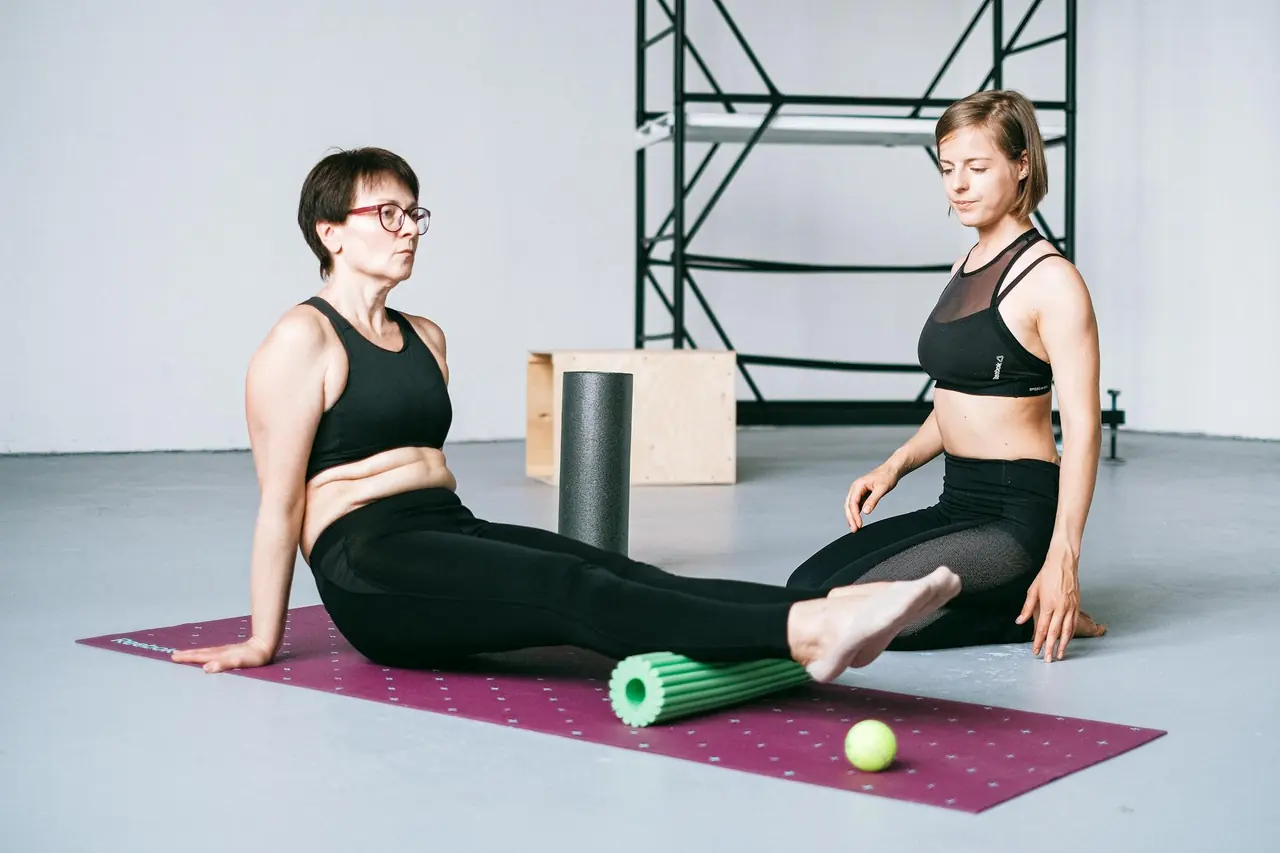
Foam rollers, massage guns, compression gear, and other tools can be useful, but they are not the foundation. They sit on top of the basics. If you are sleeping poorly, barely drinking water, and skipping food, a recovery tool is not going to rescue the situation.
That said, many people do find that foam rolling or light tissue work helps them feel less stiff short-term. If it feels good and supports the rest of your routine, great. Just do not mistake optional tools for core recovery habits.
7. Train Hard, But Not So Hard That Every Session Buries You
Sometimes slow recovery is not about missing a post-workout trick. It is about doing too much. If every session is intense, every week is heavy, and every workout feels like it needs to prove something, your body will eventually push back. The answer then is not better foam rolling. It is better programming, more sensible intensity, or an easier week.
This is one of the most common reasons people feel like recovery never catches up: the training load and life load together are simply too high.
Common Mistakes That Slow Recovery Down
Recovery usually gets worse when people ignore the obvious basics. Common mistakes include:
- Not drinking enough after training
- Skipping meals or under-eating after hard sessions
- Trying to out-train poor sleep
- Doing hard workouts back to back without enough recovery
- Assuming soreness always means a better workout
- Expecting one gadget or supplement to solve everything
If you want faster recovery, start by stopping the habits that slow it down.
A Simple Recovery Checklist
After your next workout, run through this quick check:
- Did I hydrate?
- Did I eat something useful?
- Did I cool down for a few minutes?
- Am I planning a decent night of sleep?
- Does tomorrow need to be lighter?
That checklist will move recovery further than most complicated routines people never stick to.
When Soreness Is Not the Main Problem
If pain feels sharp, joint-related, or much more serious than normal muscle soreness, recovery advice is not the main answer. That is where proper assessment matters. Recovery techniques are for normal training fatigue and soreness, not injuries you keep pretending are “just tightness.”
Final Takeaway
If you want to know how to recover faster after a workout, focus on the habits that actually matter: hydration, food, cooldowns, sleep, light movement, recovery tools in moderation, and sensible training intensity. None of these are glamorous, but they are the things that make hard training sustainable.
Recovery gets faster when the whole system gets smarter. Start with the basics, make them repeatable, and let the small improvements add up.
Related reading: Recovery gets easier when the basics line up, so also see How Much Water Should You Drink a Day? and Cheap Healthy Meal Prep for Beginners.
References and Further Reading
Purpleflow publishes informational content, not personal medical advice. See our wellness disclaimer and editorial policy.