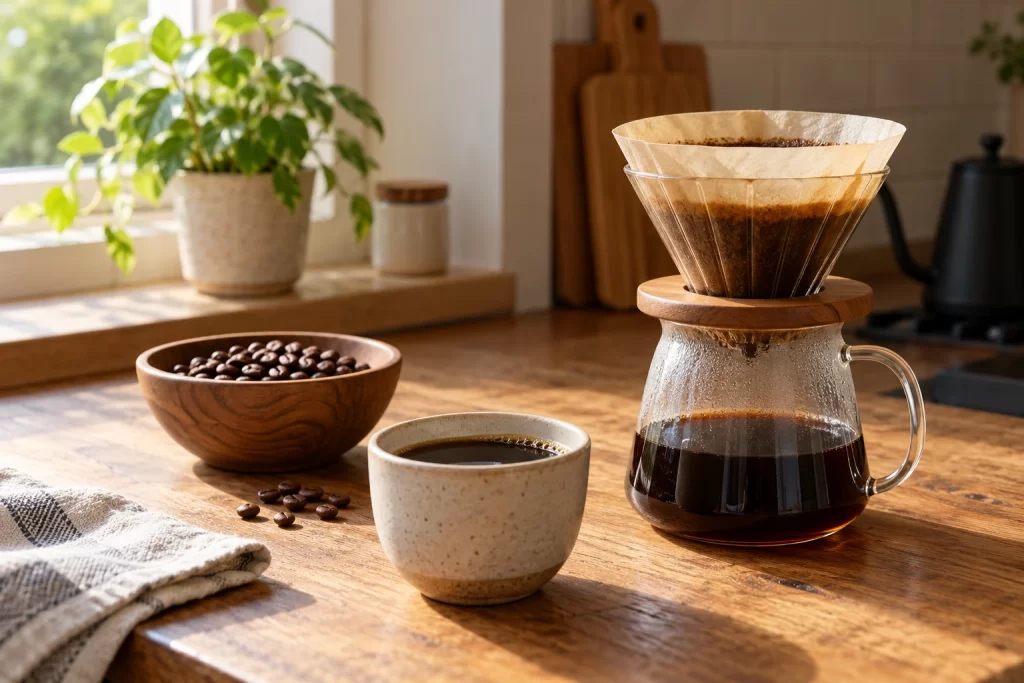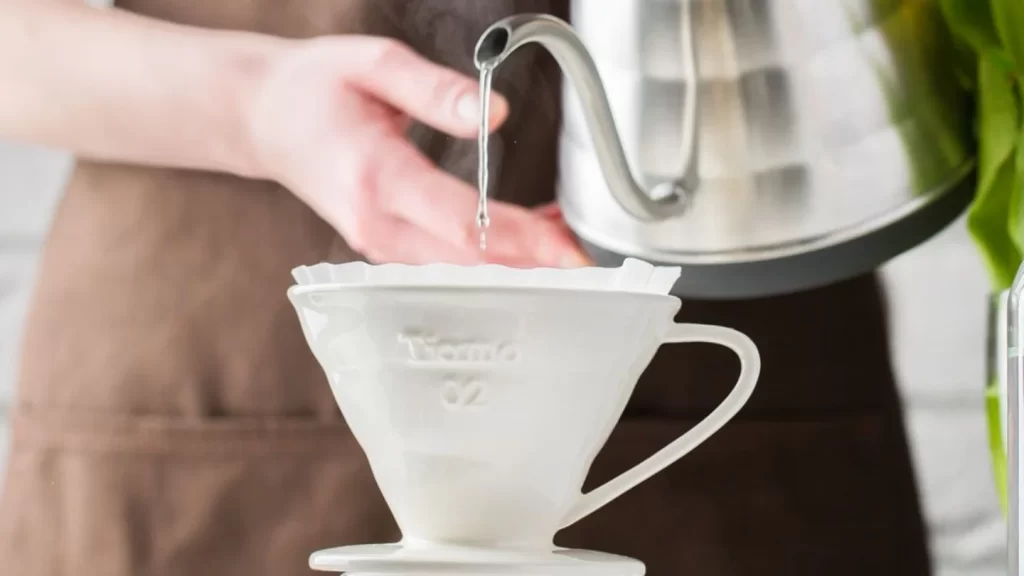
For a lot of people, coffee is not just a drink. It is a ritual. It marks the start of the day, creates a pause between tasks, offers a reason to sit still for five minutes, and gives structure to mornings that might otherwise feel rushed. That alone makes coffee interesting. It is not only about caffeine. It is also about rhythm, comfort, and attention.
The phrase health benefits of your daily coffee ritual can sound a little exaggerated, especially because coffee conversations tend to swing between two extremes. One side treats coffee like a miracle health food. The other acts like every cup is a slow mistake. The truth is much more useful. Coffee can fit into a healthy lifestyle, and for many people it may offer practical benefits, but those benefits depend on how much you drink, how you tolerate caffeine, and what else comes with the cup.
This guide looks at coffee in a realistic way. We will cover what coffee may do well, where people go wrong, how timing changes its effect, and how to make your coffee ritual feel supportive instead of draining. The goal is not to tell you to drink more coffee. It is to help you drink it better.
Coffee Is More Than Just a Caffeine Delivery System
When people think about coffee, they usually think caffeine first. That makes sense. Caffeine is the most noticeable part. It can increase alertness, reduce the feeling of fatigue, and make it easier to focus for a while. But coffee contains more than caffeine alone. It also contains plant compounds that researchers continue to study, which is one reason coffee keeps showing up in conversations about overall health patterns.
That does not mean every coffee drink is automatically healthy. A large blended drink loaded with sugar and syrups is not the same thing as a simple brewed coffee. But the base beverage itself has more going on than a temporary jolt.
One of Coffee’s Biggest Benefits Is Mental, Not Magical
The most immediate benefit of coffee for many people is not mysterious at all: it helps them feel more awake and more ready to start. That matters. Better alertness can improve the start of a work block, make a morning meeting feel less painful, or help a workout feel more manageable. It can also make a demanding day feel more structured because the ritual itself provides a pause and a reset.
That ritual effect is underrated. A daily coffee habit can work like a cue for focus. You sit down, make the cup, and your brain learns that work, reading, journaling, or planning happens next. In that sense, coffee is not just something you consume. It is something you pair with a behavior. That pairing can be genuinely useful.
Of course, usefulness depends on dosage. A sensible amount may help attention. Too much can push you into shakiness, irritability, faster heart rate, or a wired-tired feeling that makes concentration worse, not better.

The Surprising “Benefit” Many People Miss: Consistency and Enjoyment
Healthy habits are easier to maintain when they include something you actually enjoy. Coffee can serve that role well. It can make breakfast more appealing, create a satisfying pause before work, or turn a rushed morning into something a little more deliberate. That matters because routines built entirely on discipline usually do not last as well as routines that also include pleasure.
There is also a social side to coffee. It creates conversation, breaks up the day, and gives people a reason to slow down for a moment. If your coffee ritual helps you connect with other people, take a real break, or start work with more intention, those are meaningful lifestyle benefits even if they never show up on a supplement label.
The Health Benefits of Coffee Depend on How You Drink It
This is where the conversation gets more practical. Coffee may fit into a healthy routine, but the habit can become much less supportive when the cup is overloaded with sugar, sweetened creamers, syrups, or pastries that always come along for the ride. The problem is often not the coffee itself. It is the package built around it.
If your goal is to keep coffee supportive, the easiest move is to simplify it:
- Choose brewed coffee, espresso, or a lightly dressed coffee drink most of the time
- Be aware of how much sugar is turning the cup into dessert
- Use milk or unsweetened alternatives if they work for you
- Pay attention to portion size instead of endlessly topping up
- Drink water alongside coffee so the habit does not replace hydration
A healthier coffee routine is usually not complicated. It is just less chaotic.
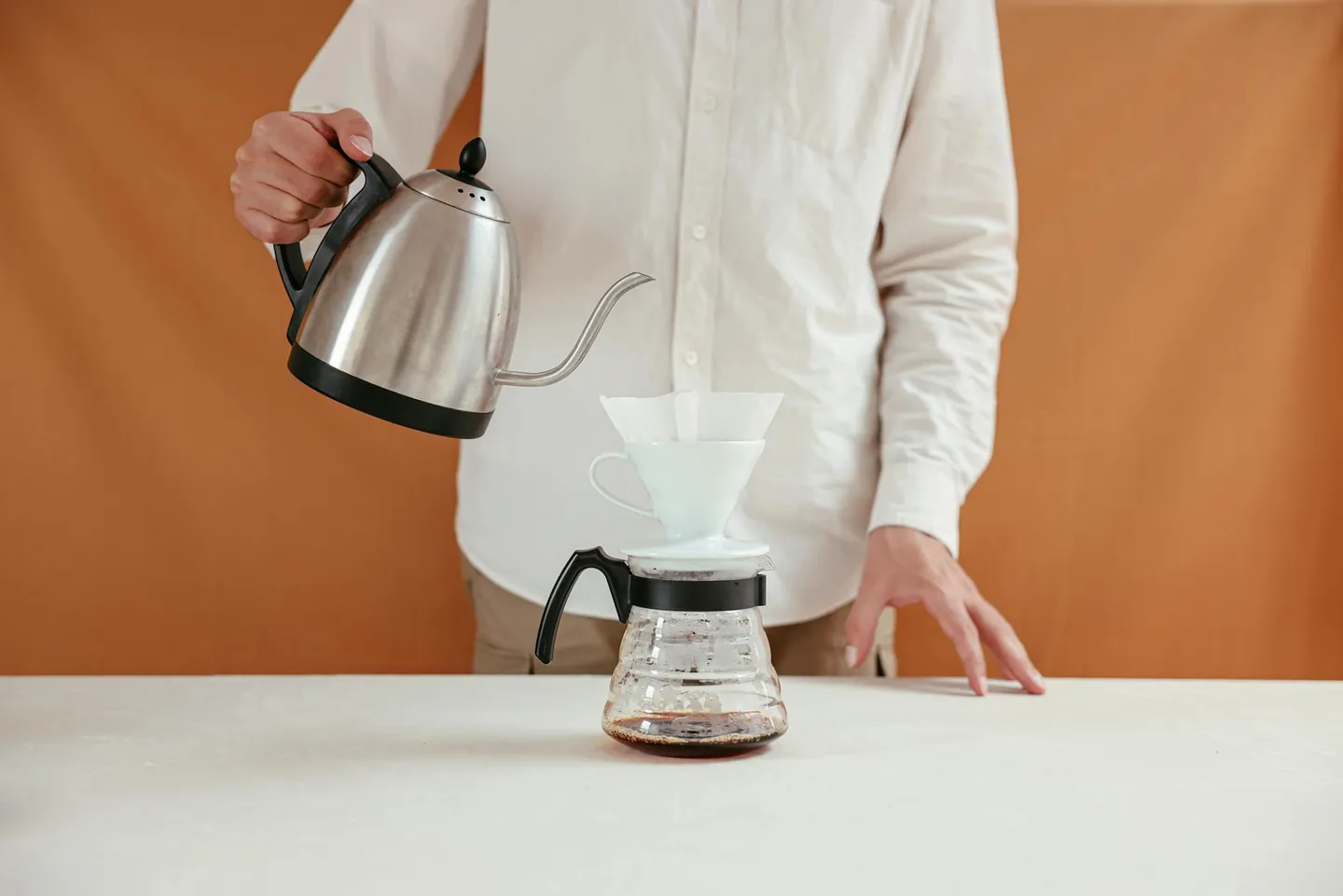
Timing Matters More Than Most Coffee Lovers Admit
Many people blame stress, poor focus, or weak motivation when part of the issue is simply bad caffeine timing. Coffee that feels great at 8 a.m. can feel much less helpful late in the afternoon if it interferes with sleep. And once sleep gets worse, the next day needs more caffeine, which can create a loop that feels productive but is actually just compensation.
If coffee regularly leaves you anxious or makes sleep harder, timing is the first thing to review. A common fix is keeping coffee earlier in the day and cutting it off sooner than you think you need to. The exact cutoff varies by person, but many people do better when the final cup is well before evening.
This is where coffee shifts from “healthy ritual” to “habit with trade-offs.” If your morning coffee improves your day without touching sleep, great. If your 4 p.m. coffee creates a restless night and a heavier dependency the next morning, that is a different story.
Coffee and Performance: A Practical Advantage
Another reason coffee remains popular is that it can help performance feel easier, especially for mentally demanding work or training. Some people find that coffee before a workout improves drive or makes exercise feel more manageable. Others use it to start deep work or to reduce the sense of friction that comes with early tasks.
But again, more is not better. If you need a huge amount just to feel normal, the ritual is no longer helping as much as it seems. The best performance use of coffee is measured. Enough to feel a benefit. Not so much that it becomes background overuse.
Who Should Be More Careful With Coffee?
Even if coffee can fit well into a healthy routine, it is not equally comfortable for everyone. Some people are simply more sensitive to caffeine. Others notice that coffee makes anxiety worse, triggers digestive discomfort, worsens reflux, or creates jitteriness that is not worth the trade. Pregnancy, certain medications, heart rhythm concerns, and chronic sleep issues are all situations where caffeine habits deserve more attention.
If coffee keeps causing problems, the right answer may be less coffee, earlier coffee, smaller servings, or sometimes different drinks altogether. A healthy ritual should support you, not ask you to ignore obvious signals.
How to Turn Coffee Into a Better Daily Ritual
If you want to get more from your coffee habit, think beyond the mug itself. Build a ritual that supports the rest of your day:
- Drink water first or alongside coffee
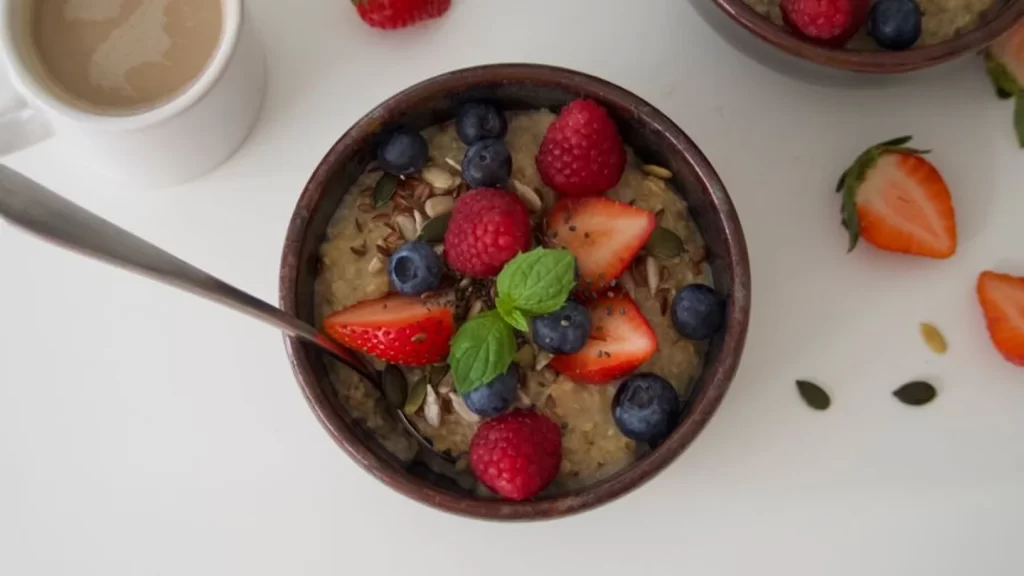
- Pair coffee with breakfast that includes some protein or fiber
- Use the cup as a cue for planning, reading, or focused work
- Keep the drink simple enough that it still feels like coffee, not a sugar event
- Set a daily caffeine boundary before the day gets busy
These small habits change coffee from random consumption into something more useful. The ritual becomes not just “I need caffeine,” but “this is how I start work,” or “this is my calm break,” or “this is how I create five minutes of intention before the day gets noisy.”
Common Coffee Mistakes That Make the Habit Less Healthy
One of the biggest mistakes is using coffee to solve problems it cannot actually solve. Coffee can improve alertness, but it cannot replace sleep. It can make you feel more ready, but it does not fix poor nutrition, chronic dehydration, or total overwork. Another mistake is stacking cup after cup without noticing that the benefit already peaked two cups ago.
Other common coffee traps include:
- Drinking it on an empty stomach when that clearly makes you feel bad
- Adding so much sugar that the drink becomes a daily dessert
- Using caffeine late in the day and then blaming sleep issues on stress alone
- Forgetting that stronger brews and larger portions change the effect dramatically
- Turning the ritual into dependence without ever checking whether it still feels good
Can Coffee Be Part of a Healthy Lifestyle? Yes — With Context
The most useful answer is not “coffee is healthy” or “coffee is unhealthy.” It is that coffee can be part of a healthy lifestyle when it fits your body, your sleep, and your overall food habits. If you enjoy coffee, tolerate it well, and drink it in a measured way, it can absolutely belong in a solid routine.
The context matters. The rest of the day matters. If coffee helps you focus, gives you pleasure, fits into balanced meals, and does not wreck sleep, it is probably serving you well. If it is covering exhaustion, increasing anxiety, or pushing you into worse habits, it may need a reset.
Final Takeaway
The health benefits of your daily coffee ritual are not only about caffeine. They include focus, consistency, enjoyment, and the structure that a good ritual can bring to the day. Coffee may also fit into broader healthy patterns when you keep the habit moderate and simple.
The smartest coffee habit is not the most extreme one. It is the one that gives you something useful without quietly taking more than it gives back. Brew it well, drink it thoughtfully, and let the ritual work for you instead of running the show.
References and Further Reading
- Harvard T.H. Chan School of Public Health: Coffee
- MedlinePlus: Caffeine
- CDC: About Water and Healthier Drinks
- CDC: About Sleep
- NHS: The Eatwell Guide
Related reading: If you want to tighten up the rest of your coffee habit, see Best Time to Drink Coffee for Energy, Focus, and Better Sleep and How Much Caffeine Is Too Much? A Practical Daily Limit Guide.
Purpleflow publishes informational content, not personal medical advice. See our wellness disclaimer and editorial policy.