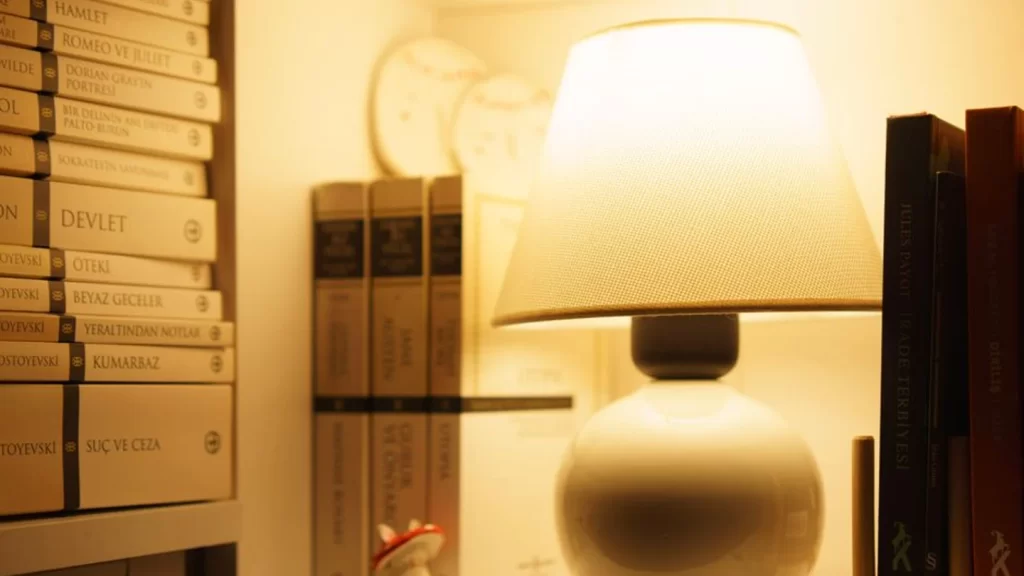
If you are looking for foods that help you sleep better, it helps to start with the honest version first: no single food can fix a bad sleep routine on its own.
What you eat at night can make bedtime easier or harder, but sleep usually improves most when food choices work alongside the basics: a consistent schedule, less late caffeine, a dimmer evening routine, and a bedroom that feels calm instead of overstimulating.
That said, late-night food habits do matter. Going to bed stuffed, wired, or still hungry can all make sleep feel worse than it needs to.
What actually matters most at night?
When people think about sleep foods, they often focus on one “superfood” and ignore the bigger picture. In real life, these factors usually matter more:
- timing of your last meal or snack
- portion size close to bedtime
- caffeine and alcohol intake later in the day
- how heavy, spicy, or greasy your evening meal was
- whether you are going to bed hungry and waking up uncomfortable
In other words, a sensible light snack can be helpful. A huge takeaway meal at 10:30 p.m. usually is not.
Foods that may fit better into a sleep-friendly evening
These are not miracle foods, but they are often easier to live with late in the evening than sugary desserts, energy drinks, or a giant plate of spicy food.
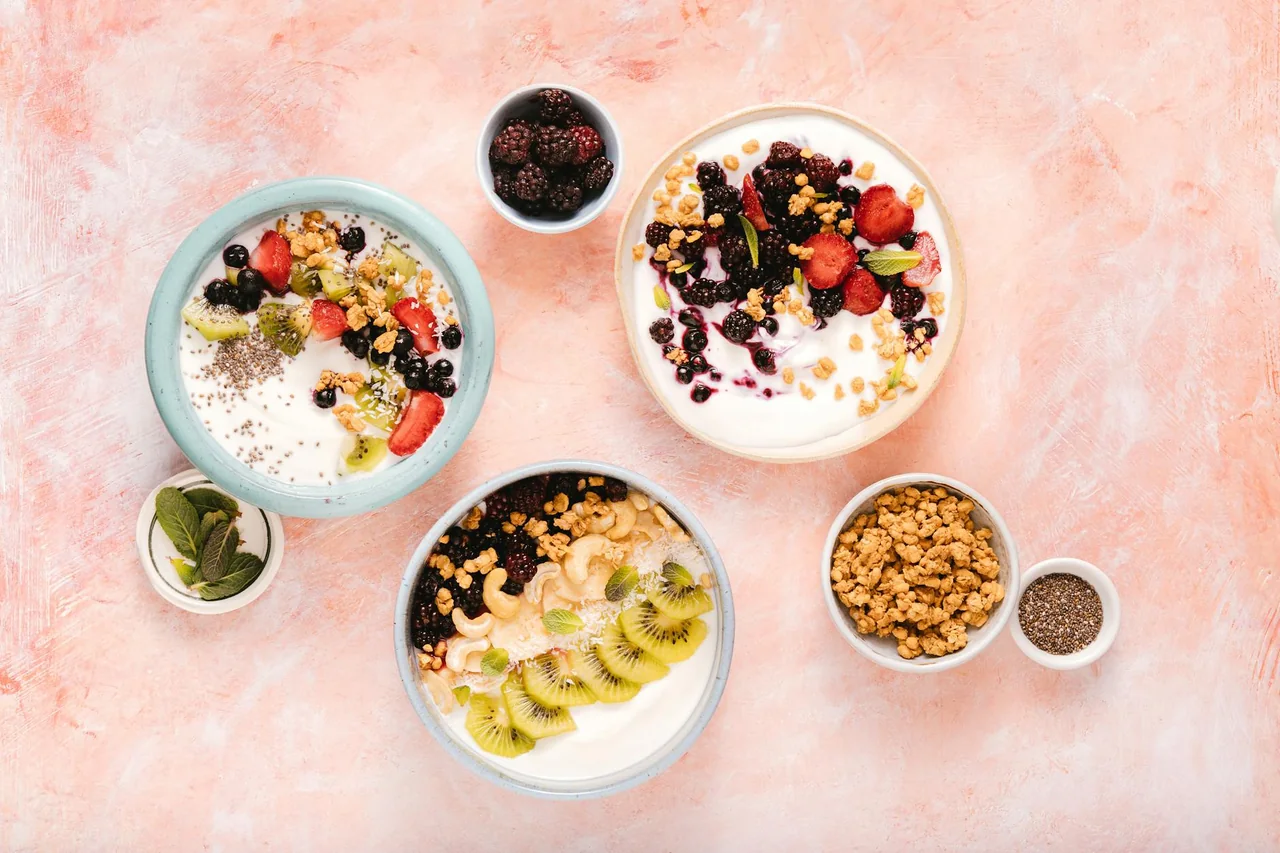
1. A small yogurt-and-fruit bowl
Plain yogurt with fruit can work well because it is simple, easy to portion, and not too heavy for most people.
Good options include:
- yogurt with kiwi
- yogurt with berries
- yogurt with banana slices
If you want more staying power, add a small sprinkle of nuts or seeds instead of turning it into a huge snack.
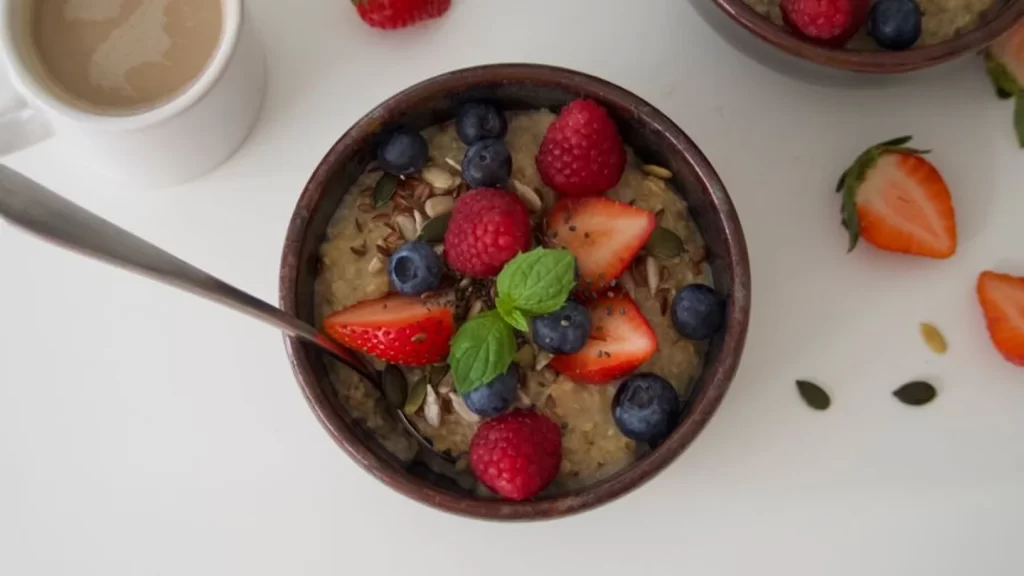
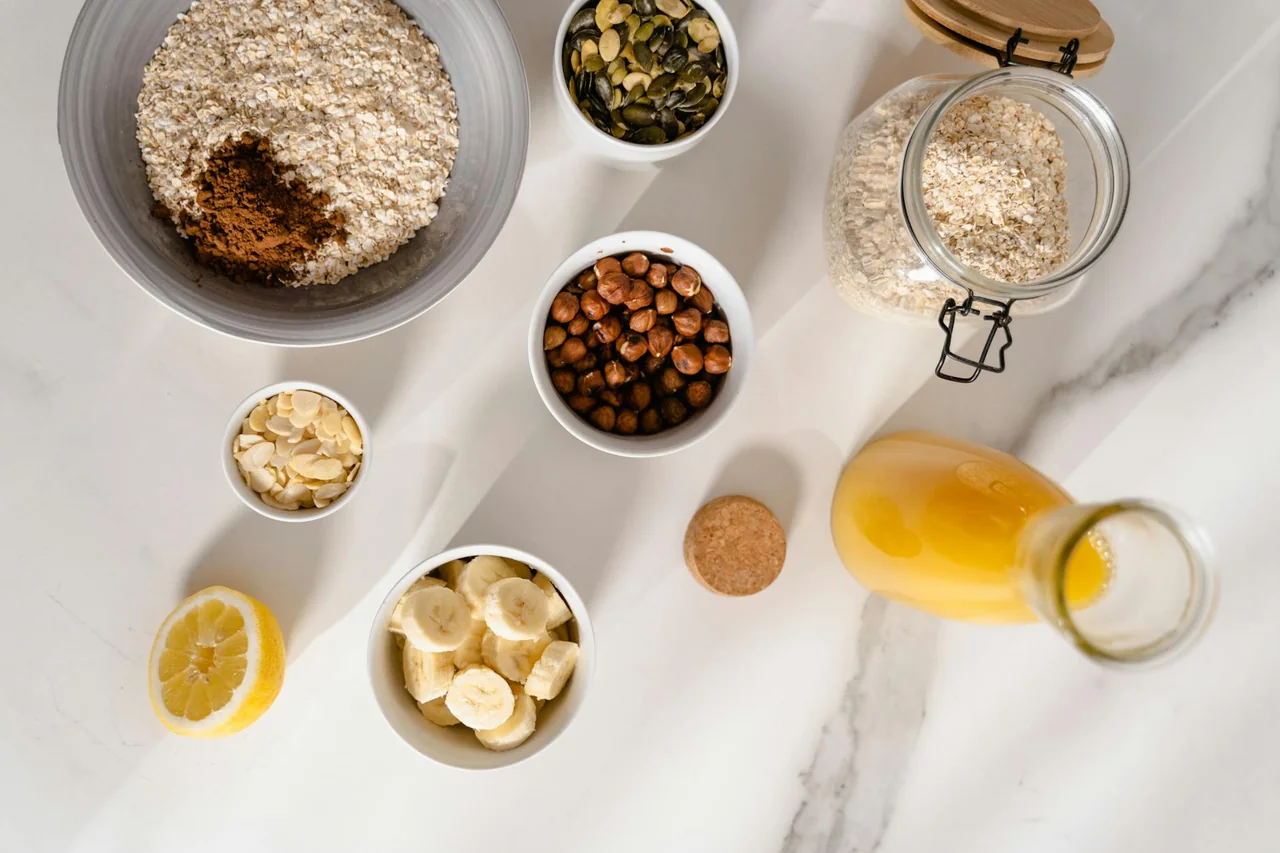
2. Oats or overnight oats
Oats are gentle, filling, and easy to keep light. A small bowl can be more comfortable than going to bed hungry and then waking up at 2 a.m. looking for food.
Keep it simple:
- oats
- milk or yogurt
- banana or berries
- cinnamon
A modest serving usually works better than a dessert-sized bowl.
3. Nuts and seeds in a small portion
Almonds, walnuts, pumpkin seeds, and similar options can fit well into an evening snack because they are satisfying without needing a lot of volume.
The key is the portion. A small handful is enough. A giant “healthy” snack bowl can still feel too heavy close to bed.
4. Banana with nut butter
This is one of the most practical bedtime snacks because it is fast, familiar, and easy to keep moderate.
A few banana slices with a little peanut or almond butter often feels more balanced than eating something sweet on its own.
5. Toast with something light
If dinner was early and you are genuinely hungry later, a piece of whole-grain toast with nut butter, cottage cheese, or a little yogurt on the side can be enough to take the edge off without feeling like a full second dinner.
What to avoid too close to bedtime
This is where many sleep problems start.
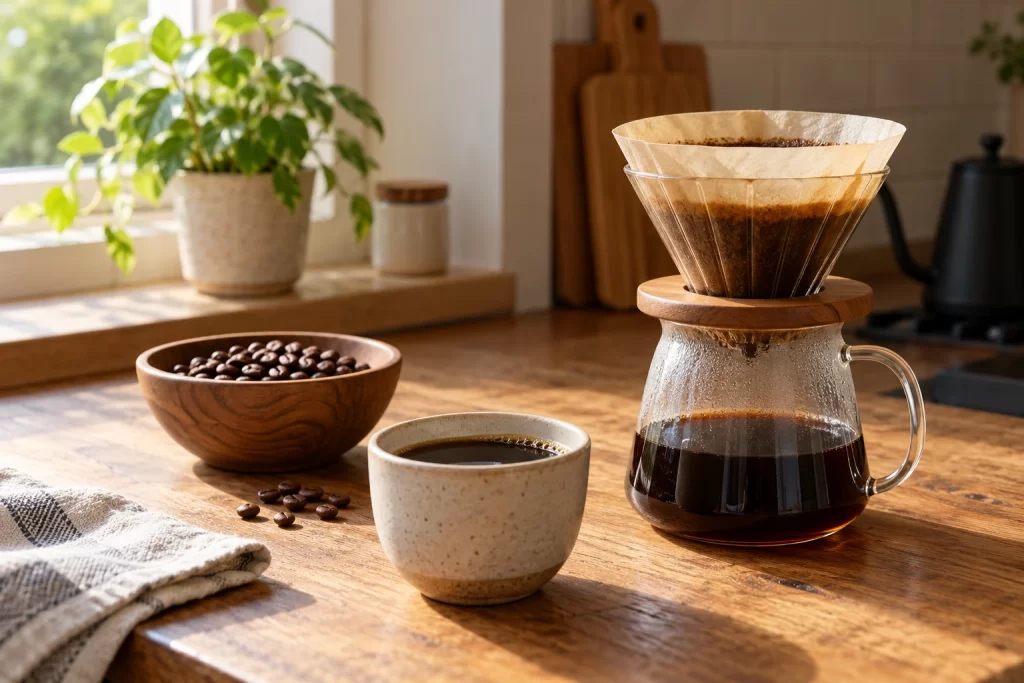
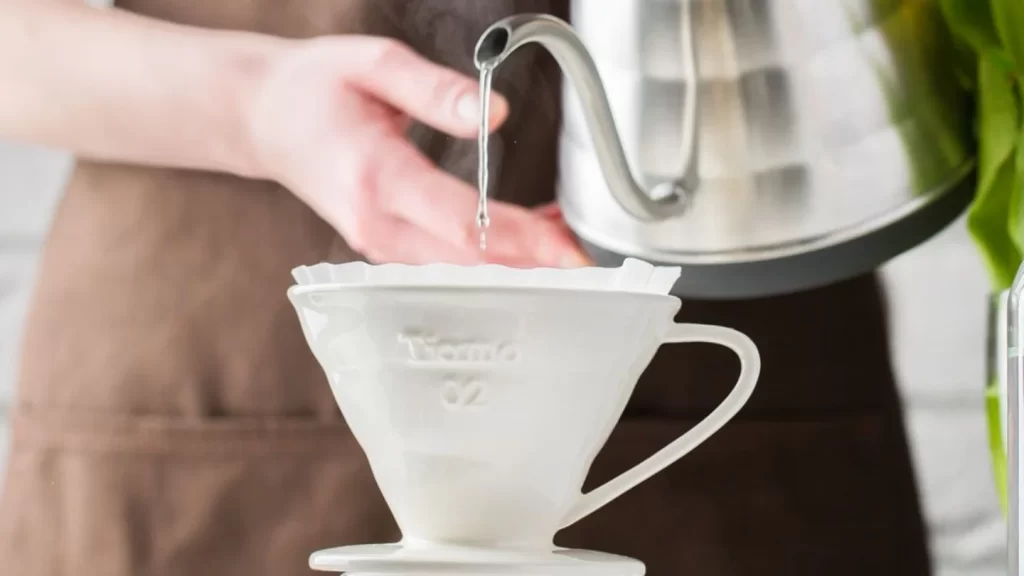
Caffeine late in the day
Coffee is the obvious one, but it is not the only one.
Also watch for:
- strong tea
- cola
- energy drinks
- pre-workout drinks
- large amounts of chocolate
If sleep has been rough lately, do not just look at what you ate at 10 p.m. Look at what you drank at 4 p.m. too.
Large heavy meals
A huge meal late at night can leave you feeling hot, uncomfortable, and too full to sleep well.
The usual troublemakers are:
- fried food
- very creamy meals
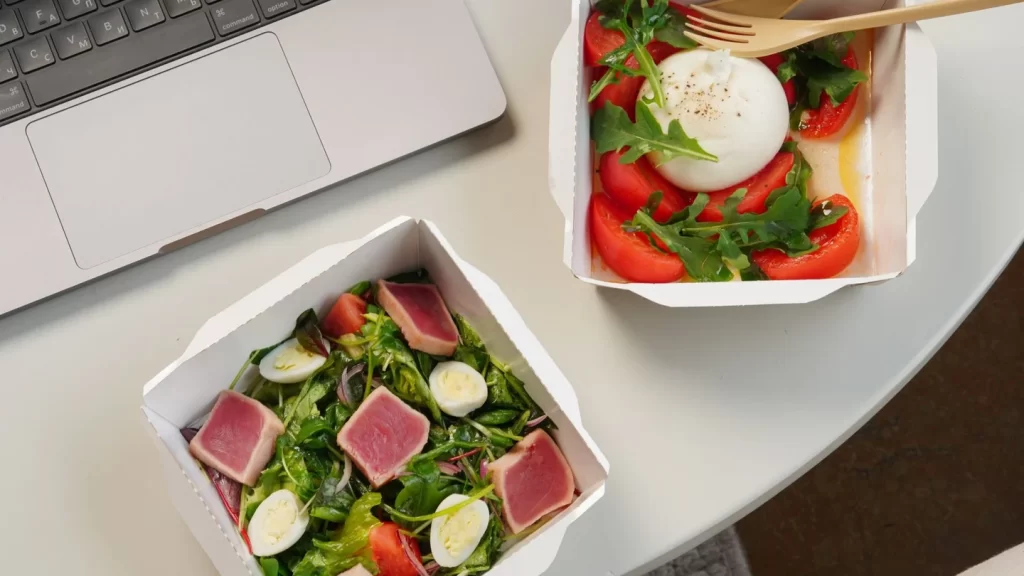
- oversized takeaway portions
- heavy restaurant dinners close to bedtime
Spicy food if it bothers you
Not everyone reacts the same way to spice, but if spicy dinners tend to leave you with reflux, discomfort, or that overly full feeling, bedtime is the wrong time to test your tolerance.
Alcohol as a “sleep aid”
Alcohol can make some people feel sleepy at first, but that does not always translate into good quality sleep.
If you regularly rely on a drink to switch off, it is worth noticing whether you are actually resting well or just falling asleep faster and waking up groggy later.
Huge sugar hits before bed
Dessert is not forbidden, but a very sugary late-night pattern can leave you feeling more restless, hungry again later, or simply off.
If you want something sweet, a smaller snack that includes some protein or fat is often more satisfying.
The best bedtime snack is usually boring on purpose
That is not a bad thing.
A good bedtime snack is often:
- light
- familiar
- easy to digest
- easy to portion
- not packed with caffeine or loads of sugar
Some practical examples:
- yogurt with kiwi
- banana with peanut butter
- oats with cinnamon
- whole-grain toast with cottage cheese
- a small handful of nuts plus fruit
If you are eating because you are genuinely hungry, these options make more sense than raiding the snack cupboard and hoping for the best.
What if you are always hungry at night?

That usually points to the rest of the day, not just bedtime.
Ask yourself:
- did I eat enough at lunch?
- was dinner mostly refined carbs and not much protein?
- did I skip meals earlier?
- am I mistaking stress, boredom, or habit for hunger?
Sometimes a late-night craving is really an under-fueled day catching up with you.
A simple evening food routine that often works better
If your nights feel chaotic, try this instead of chasing one perfect food:
- Finish dinner earlier when possible.
- Keep caffeine earlier in the day.
- If you are hungry later, choose a small balanced snack.
- Avoid turning one snack into a full second meal.
- Dim the lights and make the rest of your routine calmer too.
That routine tends to do more for sleep than any trendy “sleep food” hack.
When food is not the main issue
If you are sleeping badly most nights, waking up gasping, snoring heavily, feeling anxious at bedtime, or lying awake for hours, the issue may be bigger than food.
In that case, it makes sense to talk to a health professional instead of endlessly tweaking your snack choices.
Food can support better sleep. It cannot diagnose insomnia, sleep apnea, reflux, or chronic stress.
The bottom line
Foods that help you sleep better are usually simple, light, and easy to tolerate: think yogurt, fruit, oats, nuts, toast, or a small balanced snack if you are truly hungry.
What matters even more is what you avoid late in the evening:
- too much caffeine
- heavy meals
- spicy or greasy food that bothers you
- oversized sugar-heavy snacks
So if you want better sleep, do not look for one miracle ingredient. Build a calmer evening pattern, keep nighttime food lighter, and make it easier for your body to wind down.
Sources
- Foods That Help You Sleep – Sleep Foundation
- What to Snack on Before Bed – Sleep Foundation
- How Much Sleep Do I Need? – CDC
Related reading: If sleep is still the bigger issue, see How Much Caffeine Is Too Much? A Practical Daily Limit Guide and Why Am I Always Tired? 10 Everyday Habits That Drain Your Energy.
Purpleflow publishes informational content, not personal medical advice. See our wellness disclaimer and editorial policy.