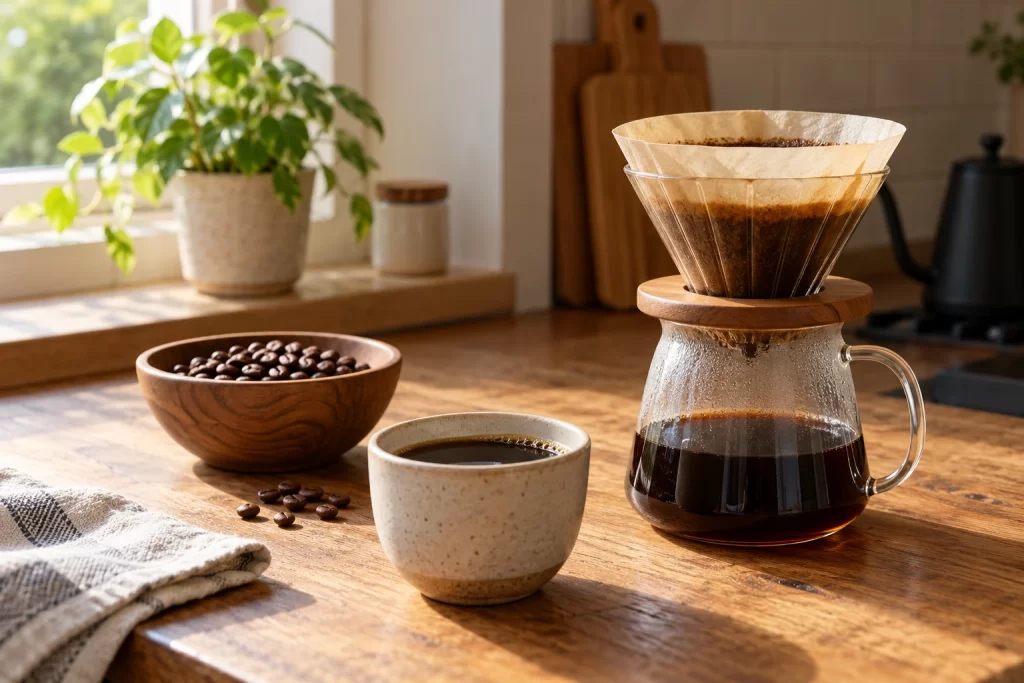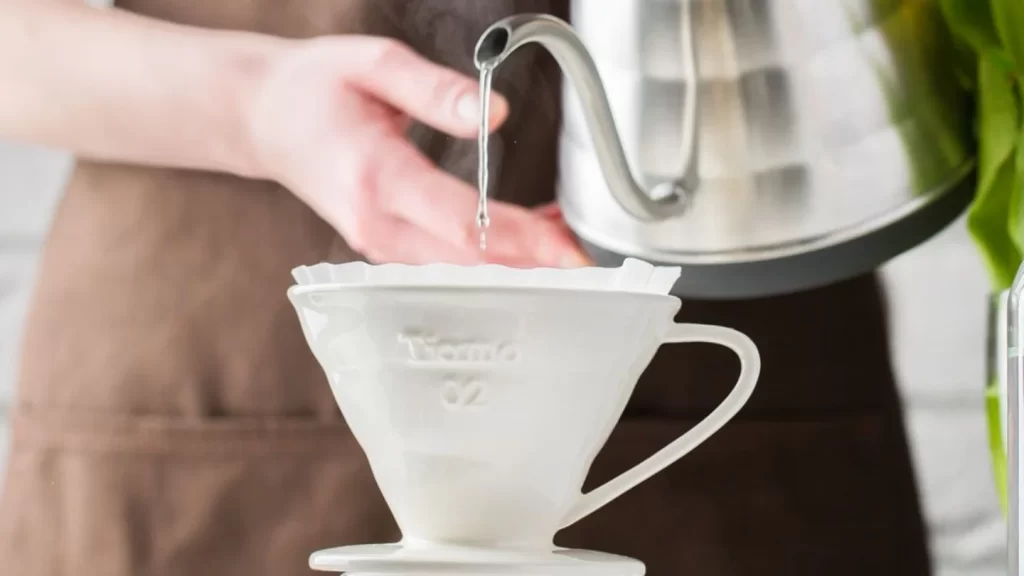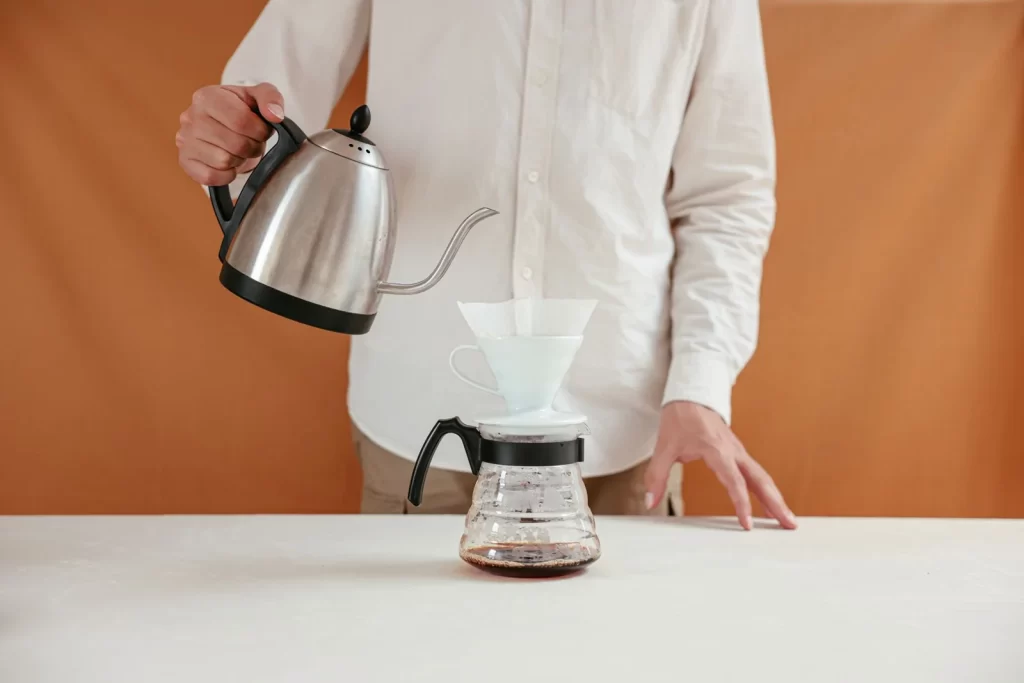
If you are deciding between French press vs pour over, the best answer depends less on coffee snobbery and more on what kind of cup you actually enjoy.
Both methods can make very good coffee. Both can also make disappointing coffee if the beans are stale, the grind is off, or the process is rushed. But the day-to-day differences between them are real enough that one method usually suits a person better than the other.
If you want a fuller, heavier cup with less fuss, French press often wins. If you want a cleaner, brighter cup and do not mind a bit more hands-on brewing, pour over often makes more sense.
The simple difference
At the most basic level:
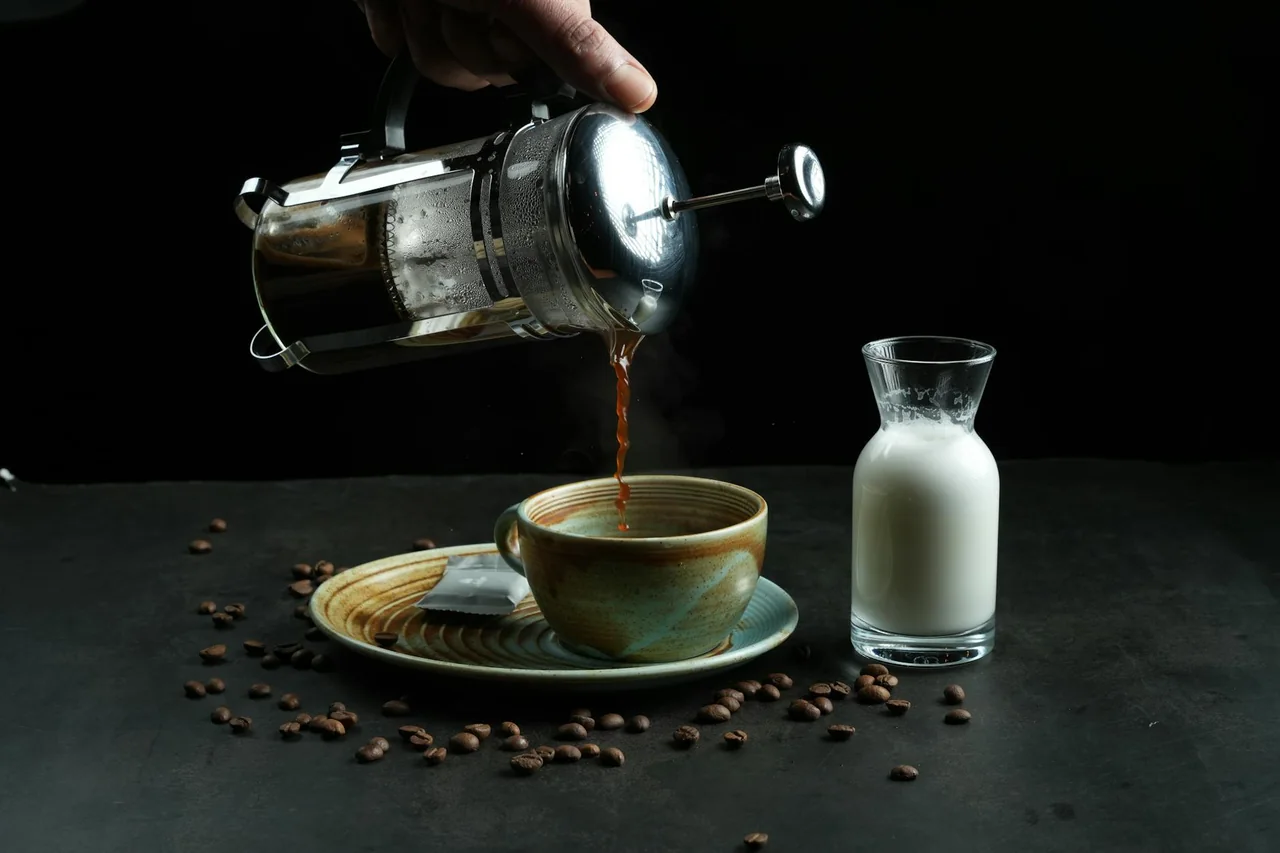
- French press steeps coffee grounds in hot water and separates them with a metal filter
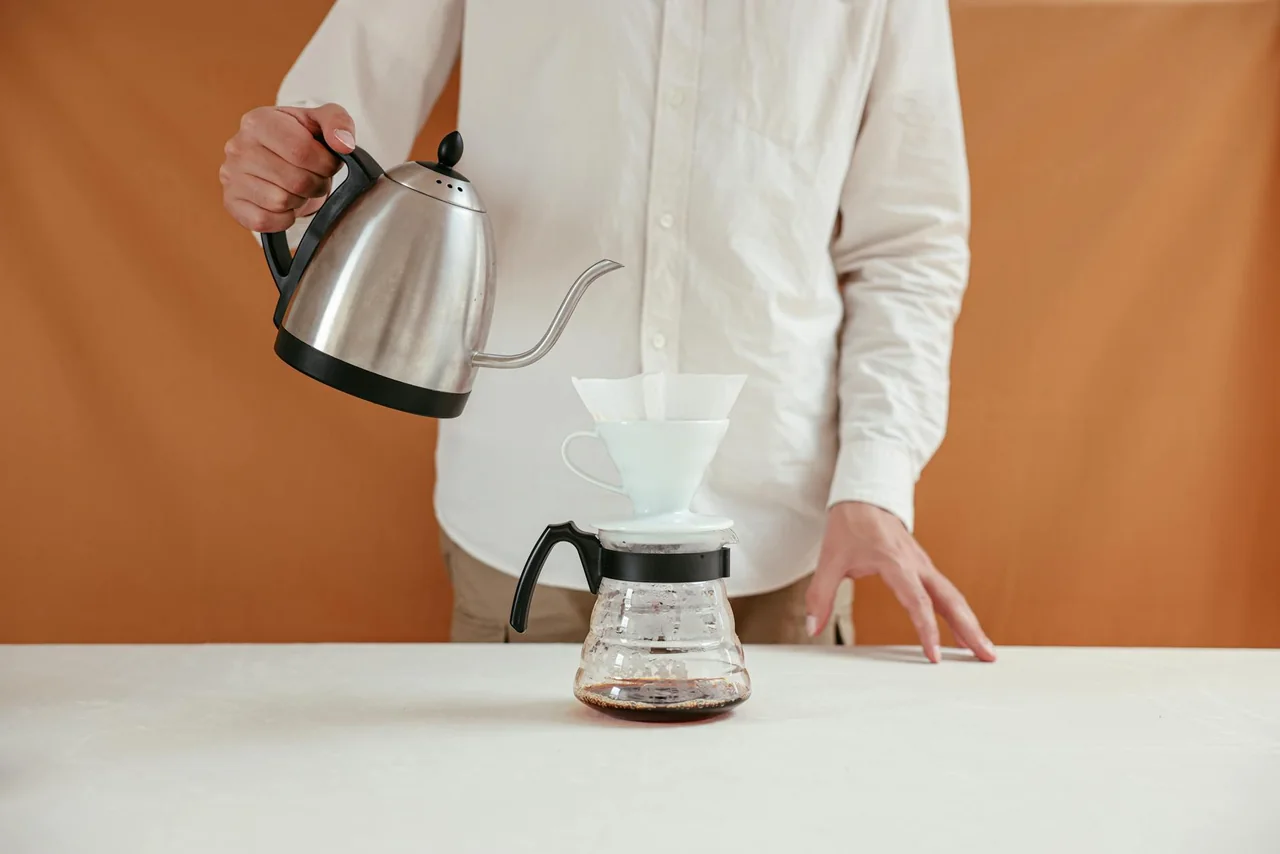
- pour over sends hot water through grounds and a paper or metal filter into the cup below
That sounds technical, but the result in the cup is the part that matters.
Flavor: fuller vs cleaner
This is usually the biggest difference people notice.
French press flavor
French press coffee often tastes:
- fuller-bodied
- heavier in the mouth
- richer and rounder
- a bit more rustic
Because the metal mesh lets more oils and tiny particles through, the cup tends to feel thicker. Some people love that. Others think it makes the coffee feel muddy.
Pour over flavor
Pour over coffee often tastes:
- cleaner
- lighter in body
- brighter
- more defined in flavor notes
A paper filter usually removes more oils and sediment, so the cup can feel clearer and more delicate. This is one reason pour over fans often talk about tasting more detail in the beans.
Neither result is automatically better. They are just different.
Ease: which method is simpler?
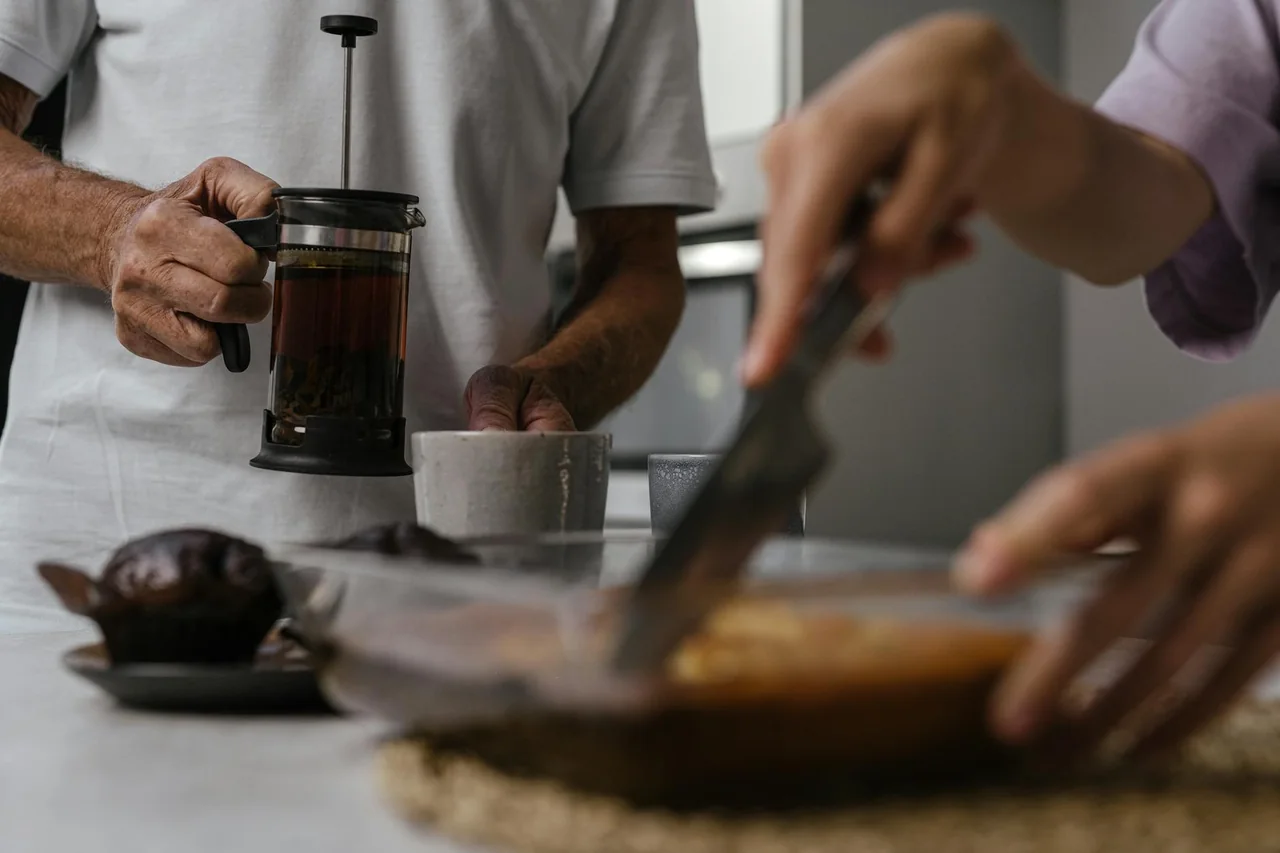
French press usually feels easier for beginners.
The basic routine is straightforward:
- add coarse grounds
- pour in hot water
- wait a few minutes
- press and pour
There is room for error, but the process is forgiving.
Pour over asks for a little more attention. You are usually controlling the pour, pacing the water, and paying more attention to brew timing. That is part of the appeal for some people, but it also means the morning can feel more fiddly if you are half-awake.
Brew time: which is faster?
Neither method is painfully slow, but they feel different.
French press often takes around four minutes of steeping plus setup and cleanup.
Pour over may also be quick overall, but it asks for more active involvement while brewing.
So the better question is not only which is faster. It is which feels easier at the time of day you actually make coffee.
If you want to set it up, wait, and press, French press may feel lower-effort.
If you enjoy the ritual of carefully pouring water, pour over may feel more satisfying.
Cleanup: this matters more than people admit
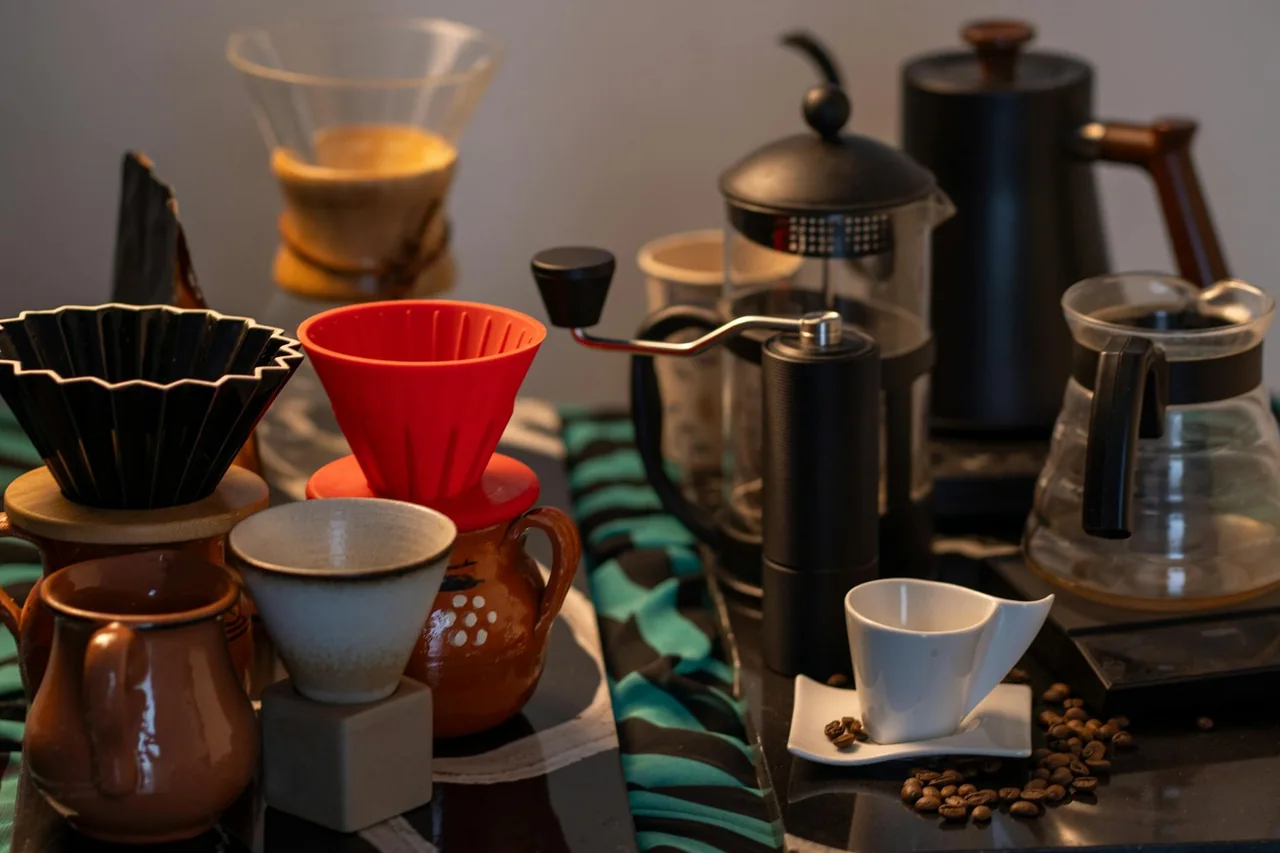
French press cleanup can be slightly annoying because wet grounds collect in the bottom of the carafe.
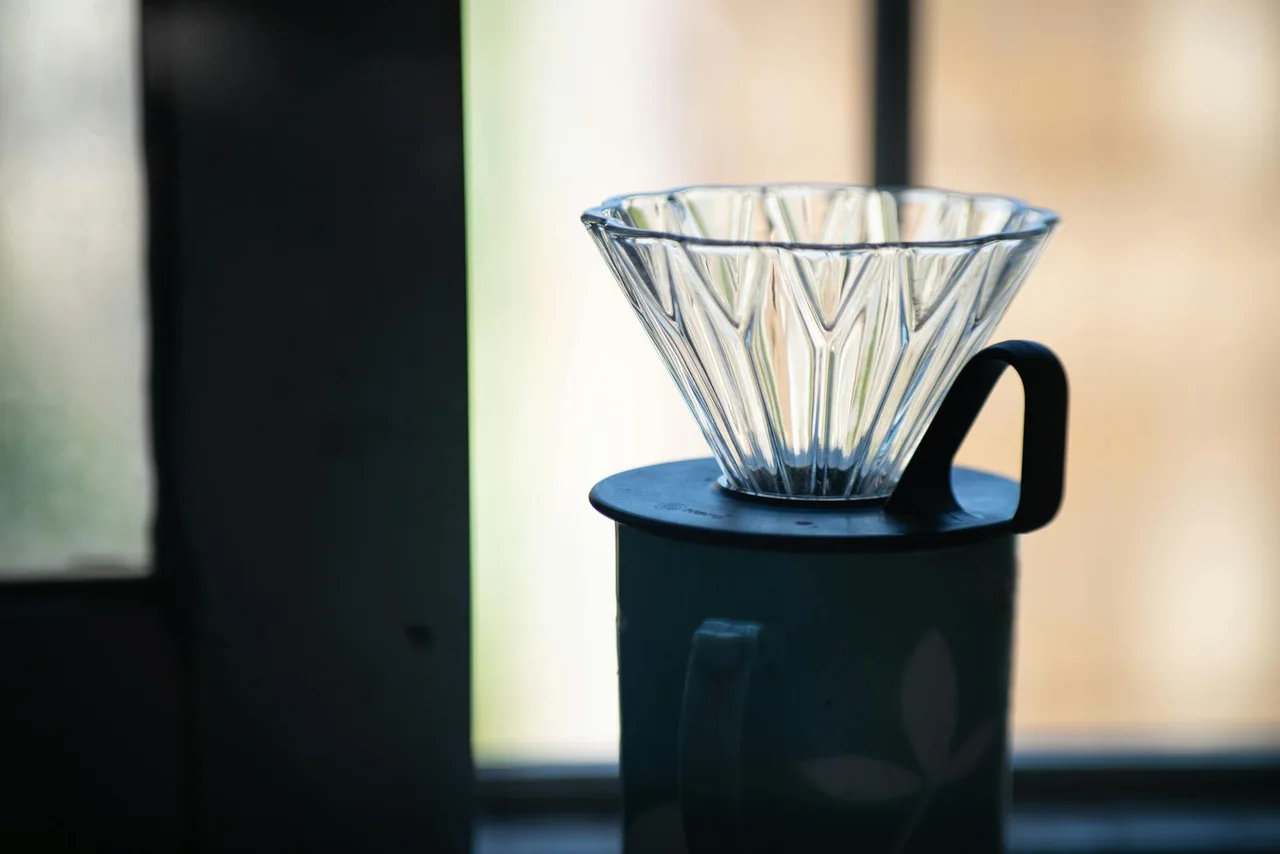
Pour over cleanup is often simpler if you are using paper filters. You usually just lift out the filter and grounds and rinse the dripper.
If cleanup friction stops you from using a method regularly, that matters. The best brewer is the one you will actually keep using without resentment.
Grind size matters for both
A lot of disappointing home coffee is really a grind problem.
In general:
- French press usually works best with a coarser grind
- pour over usually works best with a medium grind, depending on the dripper
Too fine a grind in French press can make the cup silty and over-extracted.
Too coarse or uneven a grind in pour over can make the coffee weak or inconsistent.
This is one reason a decent grinder often matters more than people expect.
Which one is better for beginners?
If you want the easier learning curve, French press is usually the simpler starting point.
It does not demand fancy pouring technique or much precision to make a decent cup. That makes it a good option for people who want better coffee without turning mornings into a hobby.
Pour over is also beginner-friendly, but it suits people who enjoy the process itself and do not mind paying attention to details like pour speed and water flow.
Which one is better for flavor lovers?
If you like a heavier, bolder cup, French press may suit you better.
If you like cleaner, more nuanced cups and want to notice subtle differences between beans, pour over may be more your style.
A simple way to think about it:
- choose French press for body and richness
- choose pour over for clarity and brightness
What about caffeine?
People often ask whether French press or pour over has more caffeine.
In practice, caffeine depends more on factors like:
- how much coffee you use
- the bean type
- grind and brew ratio
- serving size
The brew method alone does not decide everything. A large strong mug of either can still add up quickly if you are not paying attention.
If caffeine management matters to you, the better move is to look at total intake across the day, not assume one brew method is automatically mild.
Which one should you buy?
Choose French press if:
- you want a fuller cup
- you prefer a simpler process
- you do not mind a little sediment
- you want something forgiving and practical
Choose pour over if:
- you like a cleaner, lighter cup
- you enjoy a slower hands-on ritual
- you want clearer flavor separation
- easy cleanup with paper filters appeals to you
The bottom line
In the French press vs pour over debate, there is no universal winner.
French press is usually better for people who want a richer, fuller cup with a simpler process. Pour over is usually better for people who want a cleaner, brighter cup and enjoy being more involved in the brew.
If you are new to home coffee, start with the method that fits your mornings, not the one that sounds most impressive online. The best coffee setup is the one you will actually use often enough to enjoy.
Sources
- Coffee Brewing Basics – National Coffee Association
- Coffee Grind Size Basics – Specialty Coffee Association
- Caffeine and Your Body – FDA
Related reading: If you want the brewing choice to fit the rest of your coffee habits, see Best Time to Drink Coffee for Energy, Focus, and Better Sleep and Beyond the Buzz: The Surprising Health Benefits of Your Daily Coffee Ritual.
Purpleflow publishes informational content, not personal medical advice. See our wellness disclaimer and editorial policy.