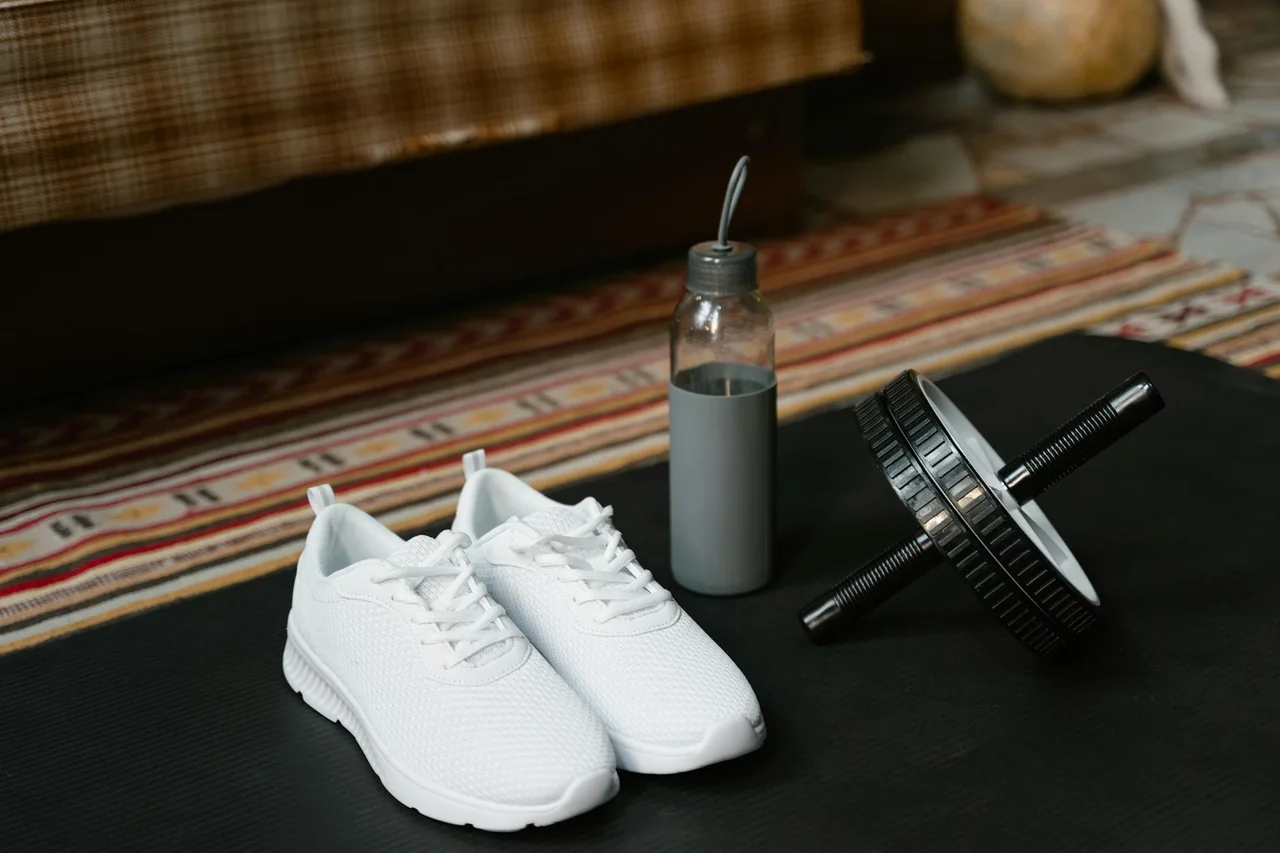
If you are new to exercise, it is very easy to assume that more workouts always mean faster results.
That sounds productive, but beginners often make progress by recovering better, not just by adding more sessions.
So how many rest days do you need each week?
For most beginners, at least 1 to 3 rest or lighter recovery days is a sensible range. The exact number depends on how hard you train, what kind of training you do, how sore you get, how well you sleep, and how stressful the rest of your life feels.
Rest days are part of training, not a break from training
This is the mindset shift that helps most.
A rest day is not evidence that you are lazy or falling behind. It is one of the reasons the next workout can be useful.
Recovery is when your body actually responds to the work you have done. Without enough recovery, beginners often feel run down before they ever become consistent.
What counts as a rest day?
A rest day does not always mean lying completely still.
There are two broad versions:
Full rest
This is a day without planned exercise. Normal daily movement is fine, but you are not doing a workout on purpose.
Active recovery
This means easy movement that helps you feel better without adding more serious training stress.
Good options include:
- walking
- light stretching
- gentle mobility work
- easy cycling
- relaxed yoga
The key word is easy. If it turns into another demanding session, it is no longer recovery.
A practical beginner answer

Here is the useful version instead of the perfect version.
If you train 2 days per week
You already have plenty of recovery room built in. The other days can include walking and normal activity.
If you train 3 full-body days per week
This is a common beginner setup and usually works well with alternating easier days in between.
Example:
- Monday: strength workout
- Tuesday: walk or rest
- Wednesday: strength workout
- Thursday: light recovery
- Friday: strength workout
- Saturday: easy movement
- Sunday: full rest
That does not mean four days of doing nothing. It means the week is not stacked with hard sessions back to back.
If you are also doing cardio
Be careful not to treat every day like an effort day. Hard runs, HIIT sessions, long walks, and strength workouts all count toward fatigue.
Beginners often need more easy days than they think when they combine multiple goals at once.
Signs you may need more recovery
You do not need to wait until you are completely exhausted.
Common signs include:
- soreness that lasts several days
- heavy legs or low energy before you even start
- workouts that suddenly feel much harder than usual
- irritability or poor sleep
- nagging aches that are building, not improving
- loss of motivation that feels more physical than mental
One or two tired days can happen. A pattern is what matters.
Signs your current rest days may be enough

You are probably in a decent place if:
- mild soreness fades within a day or two
- you feel ready for the next session most of the time
- your performance is gradually improving
- energy is reasonably stable
- you are not constantly dreading the next workout
Recovery does not mean always feeling fresh. It means being able to train again without digging a deeper hole.
Why beginners often underestimate rest
Social media makes it easy to think that serious people train hard every day.
What gets missed is that:
- advanced athletes are not beginners
- many filmed workouts do not show the full recovery picture
- your job, sleep, and stress level affect how much training you can handle
A desk job with poor sleep and high stress does not create the same recovery environment as a perfect fitness-influencer schedule.
How to use rest days well
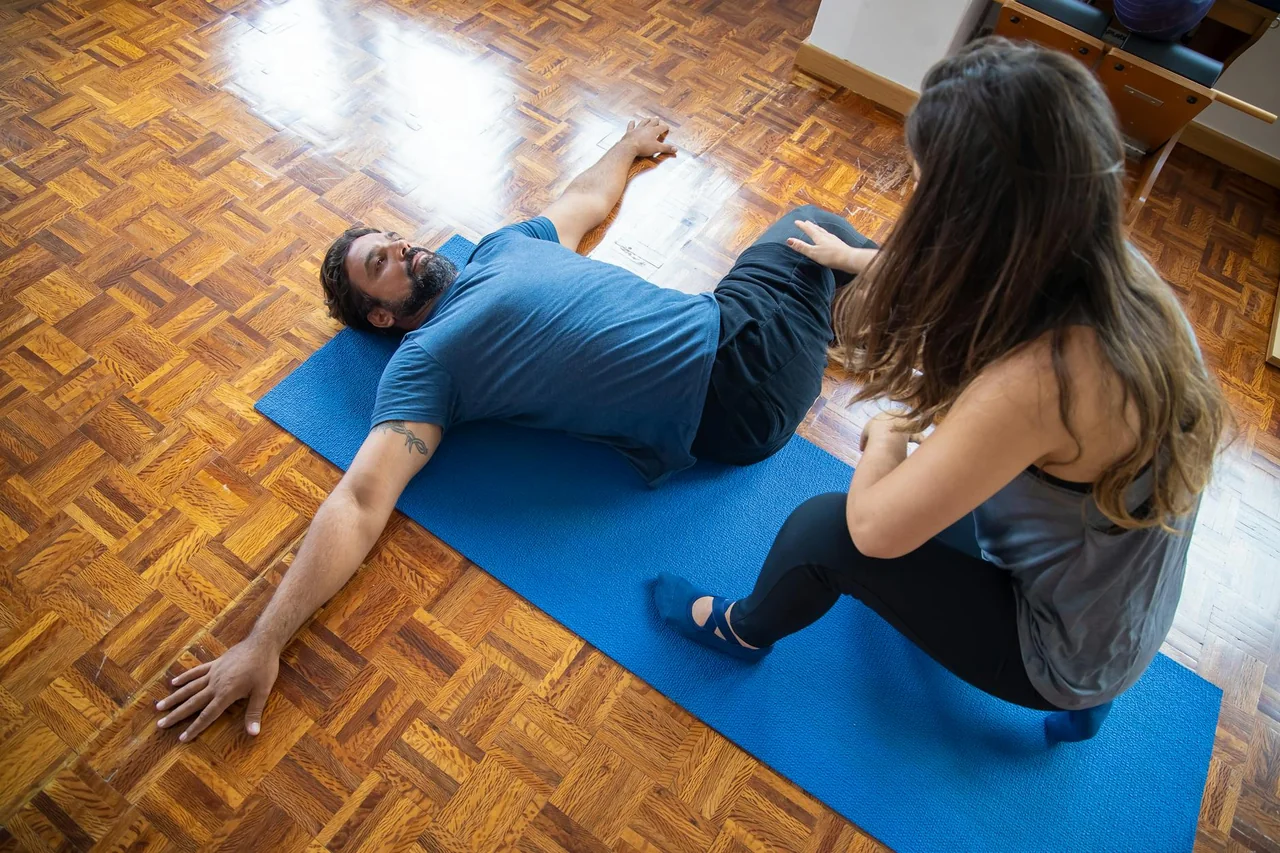
A good rest day supports the next training day.
Useful things to focus on include:
- getting a solid night of sleep
- eating enough protein and regular meals
- drinking enough fluid
- walking a bit if it helps you feel looser
- reducing the urge to cram in extra hard exercise out of guilt
In short, recovery is not only what you avoid. It is also what you do to support repair.
Common rest-day mistakes
Turning active recovery into another workout
If your easy day becomes an intense class or a surprise interval session, the benefit is gone.
Training through every ache
Mild soreness is normal. Pain that changes how you move is different.
Believing more is always better
More only helps if you can recover from it.
Ignoring sleep
A rest day does not do much if the rest of recovery is a mess.
A simple rest-day rule for beginners

If you are unsure, use this rule of thumb:
- keep hard sessions separated by easier days when possible
- aim for at least one full rest day each week
- let walking and light mobility fill some of the other easy days
- add extra recovery when soreness, sleep, or stress is worse than usual
That is not flashy advice, but it works.
When to back off more than usual
Take additional recovery seriously if:
- you are getting sick
- you slept badly for several nights in a row
- you have sharp or worsening pain
- your stress load is unusually high
- you feel drained before the week even begins
Sometimes the smart move is not pushing through. It is scaling back for a few days so you can keep going next week.
The bottom line
If you are wondering how many rest days you need, most beginners do best with at least 1 to 3 rest or lighter days each week.
The right number depends on your training, your recovery, and your real life outside the gym.
What matters most is not chasing the smallest number of rest days possible. It is building a week you can recover from well enough to repeat.
Sources
- Adult Activity: An Overview – CDC
- Strength exercises – NHS
- Get running with Couch to 5K – Better Health – NHS
Related reading: If you want recovery to make more sense across the week, see How to Recover Faster After a Workout: 7 Things That Actually Help and How to Start Strength Training at Home: A Beginner Weekly Plan.
Purpleflow publishes informational content, not personal medical advice. See our wellness disclaimer and editorial policy.