If you are searching for high fiber foods for constipation relief, it helps to start with a practical truth: relief usually comes from a pattern, not one magic ingredient.
Fiber matters. So do fluids. So does movement. And if you increase fiber too quickly without changing anything else, you may end up feeling more bloated instead of better.
The good news is that a few steady food changes can genuinely help.
What constipation usually looks like
Constipation does not mean the exact same thing for everyone.
Common signs include:
- fewer bowel movements than is normal for you
- hard, dry stools
- straining when you go
- feeling like you are not fully emptying
- bloating or abdominal discomfort
Some constipation is occasional and improves with routine changes. If it is persistent, severe, or paired with alarming symptoms, it needs more medical attention.
Why fiber helps with constipation
Fiber helps add bulk and can make stool easier to pass. It also supports better overall digestion when your intake is consistent.
There is no need to become obsessed with fiber types, but the basic idea is useful:
- some fiber helps hold water and soften stool
- some fiber adds bulk and helps movement through the gut
Most people benefit from eating a wider range of fiber-rich foods instead of chasing one supplement and calling it fixed.
High-fiber foods that often help the most
You do not need all of these every day. Pick a few that suit your appetite and routine.
1. Prunes
Prunes are one of the best-known foods for constipation relief for a reason. They provide fiber and naturally contain sorbitol, which may help some people go more comfortably.
A small serving is enough to start. More is not always better.
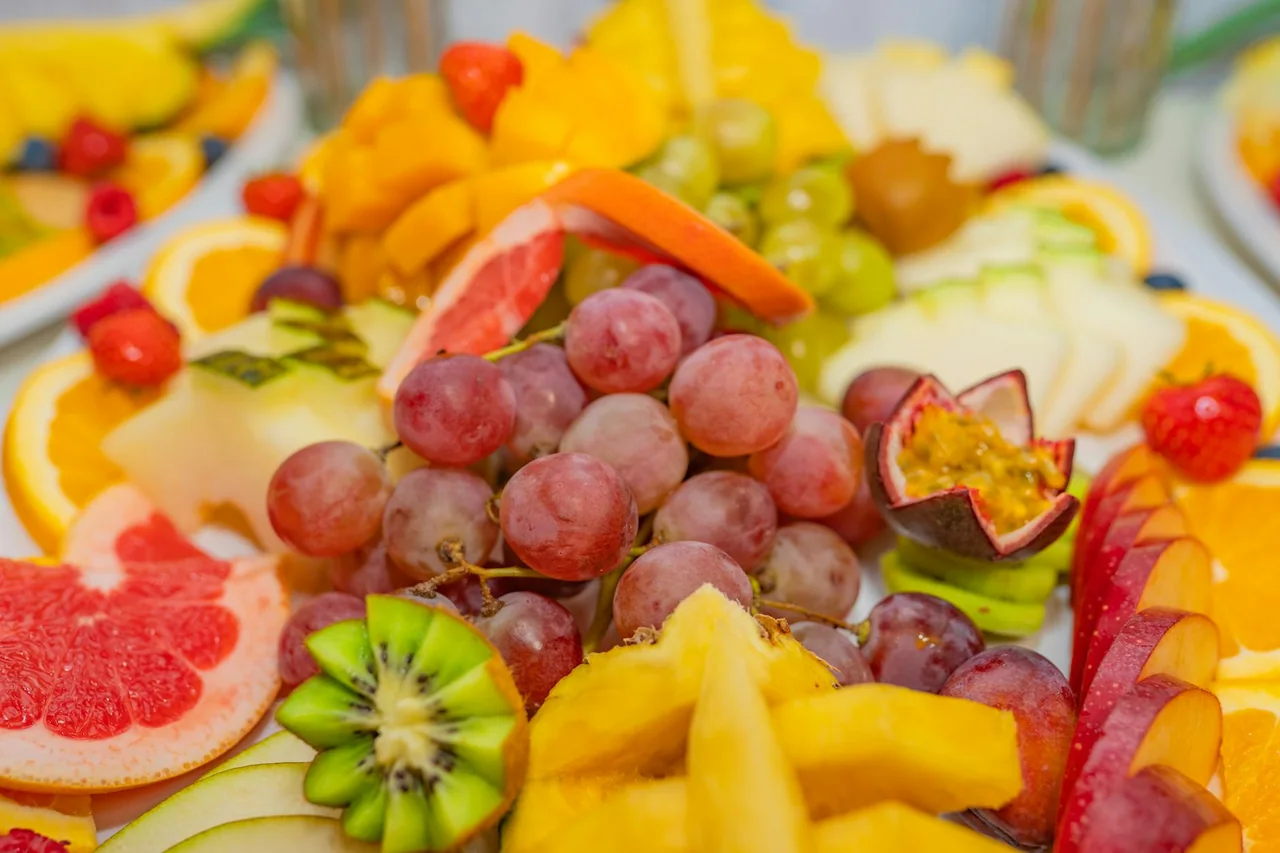
2. Kiwi, pears, berries, and apples
Fruit can be an easy way to raise fiber without turning meals upside down.
Good options include:
- kiwi
- pears
- berries
- apples with the skin on
These foods are simple to add to breakfast, lunch, or a snack.
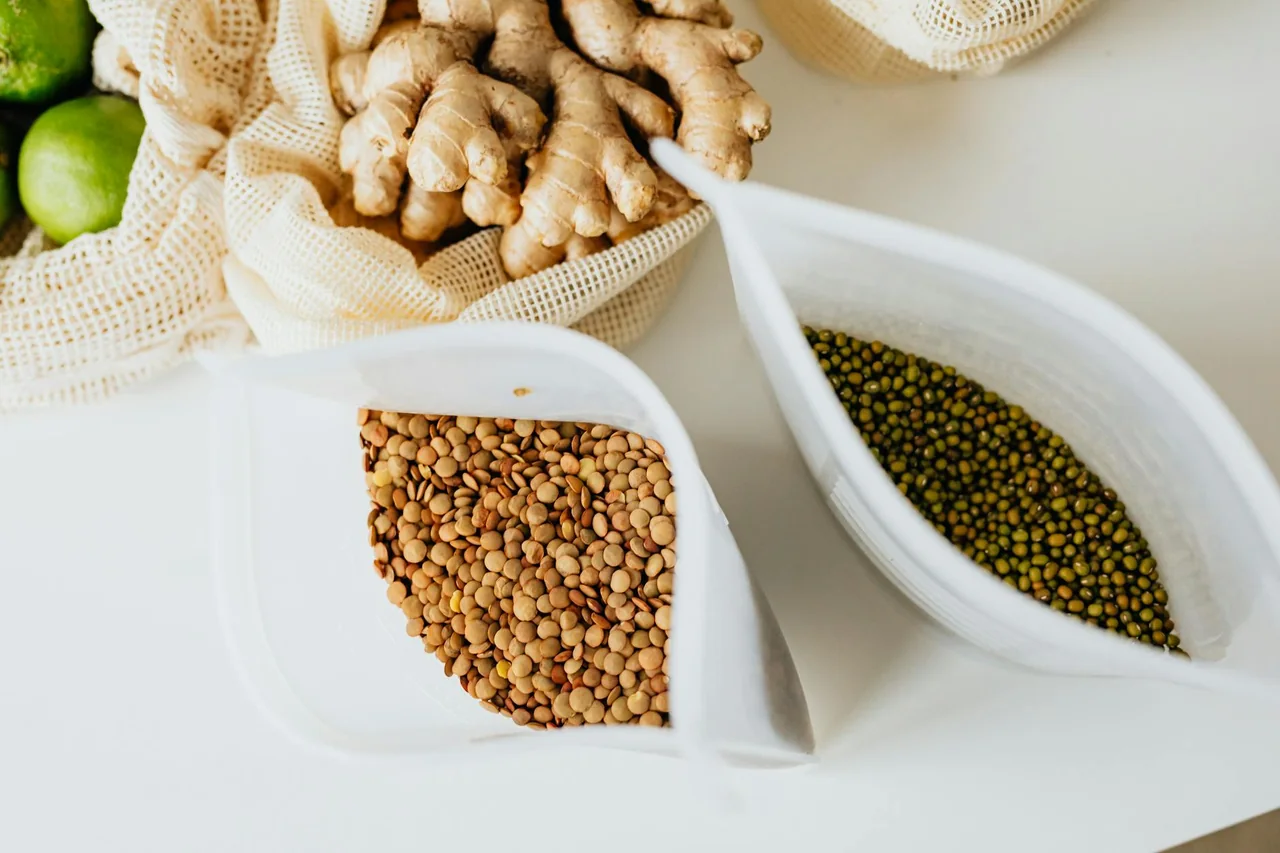
3. Beans, lentils, and chickpeas
Legumes are one of the strongest fiber upgrades you can make.
They work well in:
- soups
- salads
- grain bowls
- wraps
- simple rice dishes
If you are not used to eating them often, start with smaller portions and build up.
4. Oats and bran-rich cereals
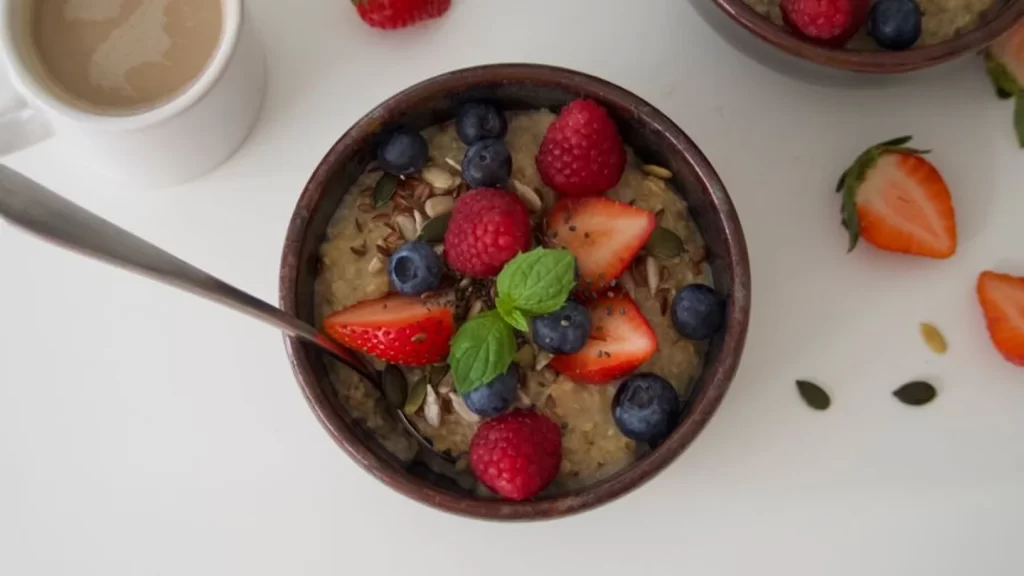
Oats are easy, affordable, and familiar. That matters because the best healthy food is usually the one you will actually keep eating.
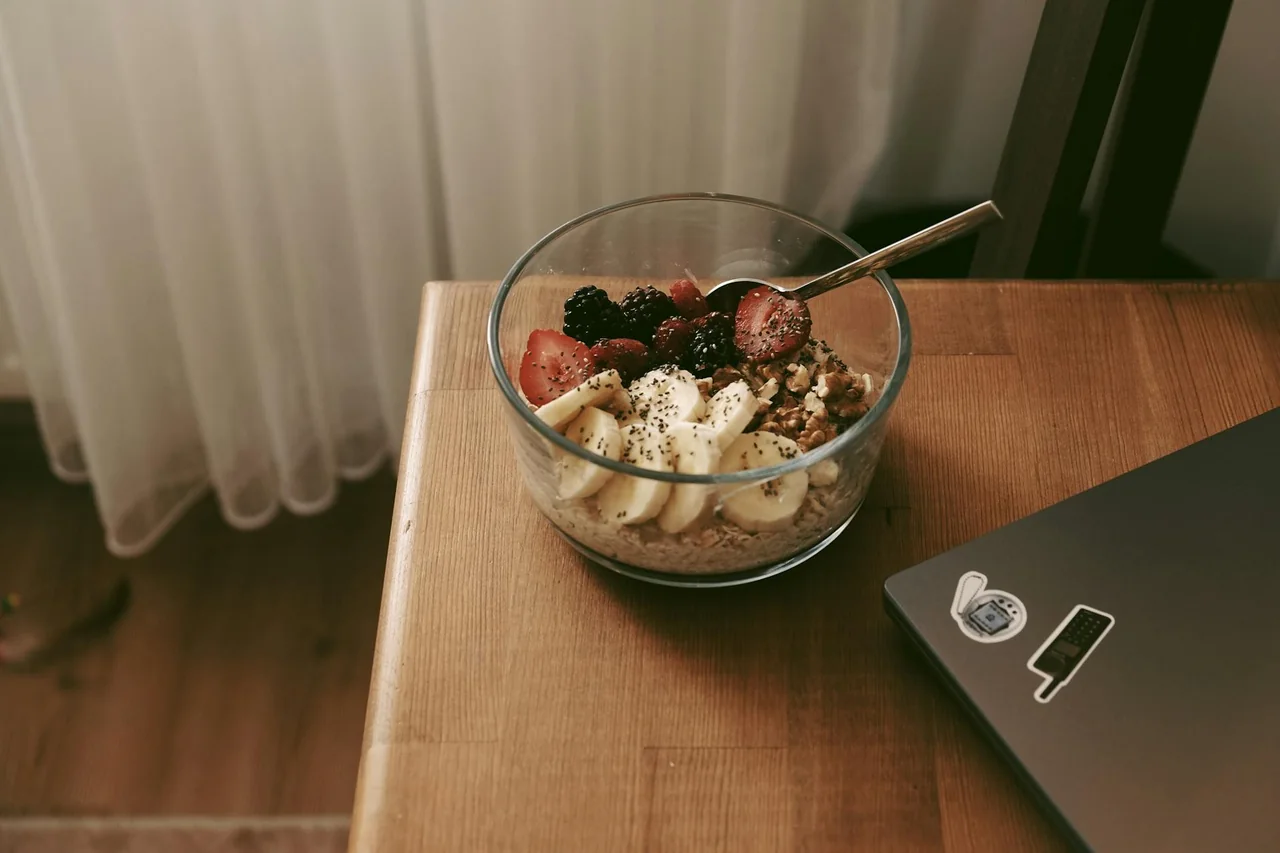
A bowl of oats topped with fruit and seeds can be a much more helpful breakfast than grabbing something low in fiber and hoping coffee will handle the rest.
5. Chia seeds and ground flaxseed
These are useful because they are easy to add without changing an entire meal.
Try mixing a spoonful into:
- oats
- yogurt
- smoothies
- overnight oats
Just remember that adding concentrated fiber works best when you are also drinking enough fluid.
6. Vegetables that actually make it onto the plate
Broccoli, carrots, leafy greens, peas, and Brussels sprouts can all help, but the best choice is often the one you will eat regularly.
Frozen vegetables count too.
7. Whole grains
Useful staples include:
- whole grain bread
- brown rice
- quinoa
- whole wheat pasta
- higher-fiber wraps
You do not need every carb to become virtuous overnight. Even replacing one refined option with a whole grain version can help.
A simple high-fiber day for constipation relief
If you want something practical, this is the kind of structure that often helps:
Breakfast
- oats with kiwi or berries
- a spoonful of chia or ground flax
Lunch
- lentil soup or a bean-based salad
- whole grain toast or crackers
Snack
- pear, apple, or prunes
- water alongside it
Dinner
- vegetables plus beans, lentils, or another fiber-rich side
- brown rice or another whole grain if it suits the meal
This is not a strict plan. It is just a reminder that fiber works best when it shows up across the day.
What to limit if constipation keeps happening

The goal is not to create a forbidden-food list. It is to notice patterns that may be making things harder.
Very low-fiber convenience foods
A routine built around chips, pastries, white bread, and fast food usually gives you less fiber than your digestion needs.
Large amounts of cheese and low-fiber snack foods
These do not cause constipation in every person, but when they crowd out fruit, vegetables, legumes, and whole grains, the pattern can become part of the problem.
A sudden huge increase in fiber
This is one of the biggest mistakes people make.
If you go from almost no fiber to bran cereal, beans, seeds, and giant salads all in one day, you may end up gassy, uncomfortable, and convinced fiber does not help.
Usually it helps more to increase intake gradually.
Not drinking enough water
Fiber works better when fluid intake keeps up. That does not mean you need to force gallons of water. It does mean dehydration can make things worse.
Increase fiber slowly if your diet is low in it now
This matters more than people think.
A better approach is to add one upgrade at a time:
- switch to a higher-fiber breakfast
- add fruit once a day
- include beans or lentils a few times per week
- use whole grain bread more often
Give your system time to adapt.
Do not forget the non-food part of constipation relief
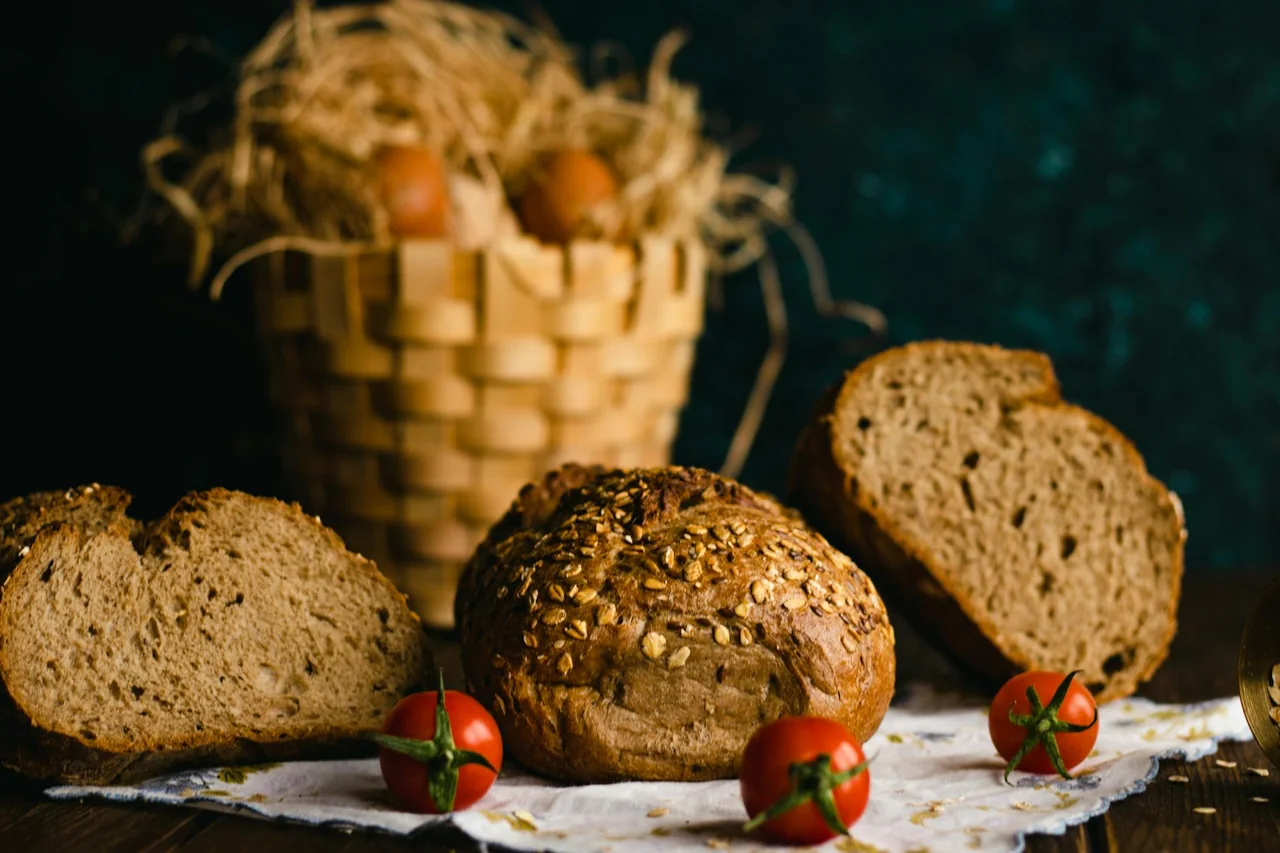
Food is important, but it is not the whole story.
These habits matter too:
- drink enough fluid through the day
- walk regularly
- do not ignore the urge to go
- try to keep meals reasonably consistent
Even a short daily walk can help get things moving. Digestion tends to like routine more than chaos.
When to talk to a doctor
Get medical advice sooner if constipation comes with:
- blood in the stool
- severe pain
- vomiting
- unexplained weight loss
- a major change that does not improve
- constipation that keeps returning or lasts for weeks
Food changes can help a lot, but persistent symptoms should not be brushed off.
The bottom line
High-fiber foods for constipation relief can absolutely help, especially when you build your meals around foods like prunes, fruit, oats, legumes, vegetables, seeds, and whole grains.
But the bigger win usually comes from the whole pattern:
- more fiber
- enough fluid
- gradual changes
- regular movement
If you do that consistently, your digestion has a much better chance of settling into a rhythm that feels easier and more comfortable.
Sources
- Eating, Diet, and Nutrition for Constipation – NIDDK
- Constipation – NHS
- Dietary fiber: Essential for a healthy diet – Mayo Clinic
Related reading: If you want to support digestion from another angle too, see What Causes Bloating? 9 Common Reasons and What to Do About It and How Much Water Should You Drink a Day? A Simple Hydration Guide.
Purpleflow publishes informational content, not personal medical advice. See our wellness disclaimer and editorial policy.