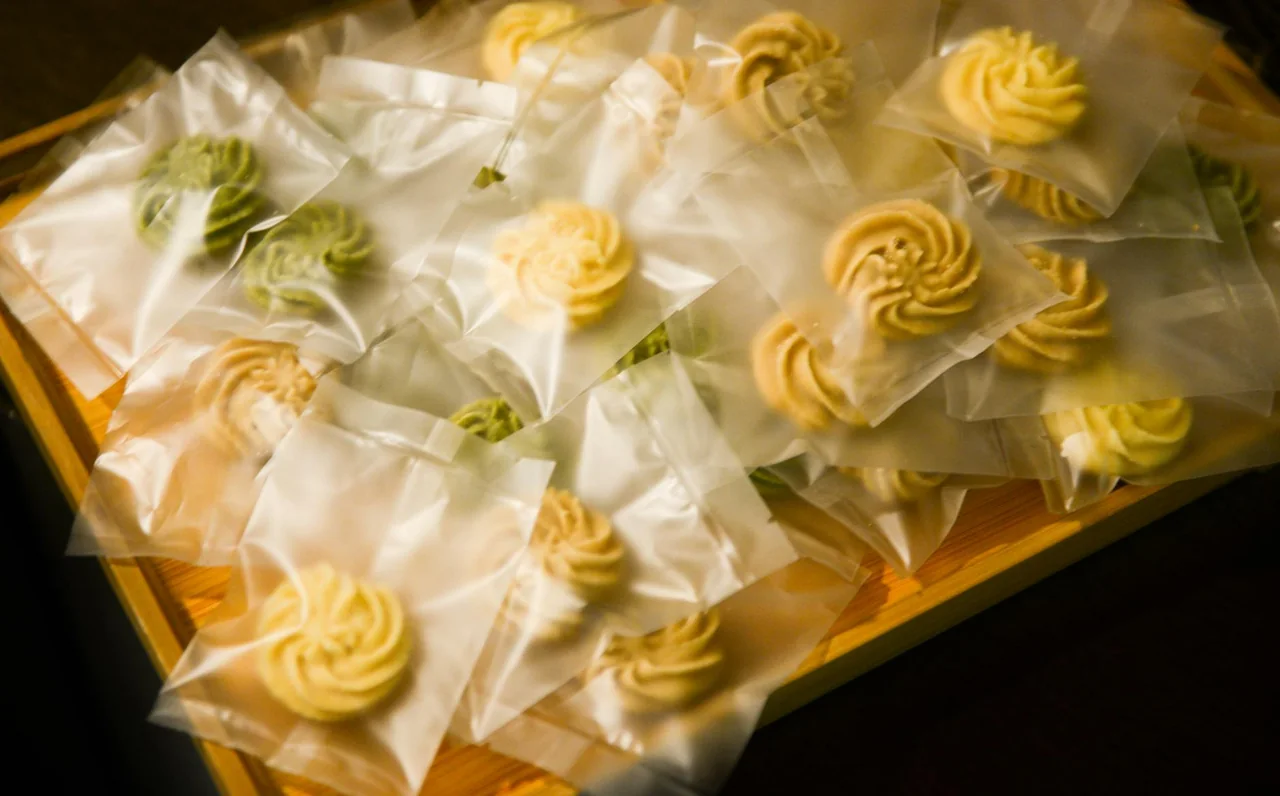
If you keep getting strong sugar cravings at night, it does not automatically mean you have no discipline.
Most of the time, nighttime cravings have a pattern behind them. Sometimes you are under-eating during the day. Sometimes dinner was not satisfying. Sometimes it is stress, boredom, or habit. And sometimes sugar just became the fastest way your brain learned to mark the end of the day.
That is why the best way to stop sugar cravings at night is usually not “never eat dessert again.” It is figuring out why evenings keep turning into a sugar hunt in the first place.
Why sugar cravings hit harder at night
There are a few common reasons.
You did not eat enough earlier
If breakfast was tiny, lunch was rushed, and dinner was light, your body may be playing catch-up by the evening.
This is especially common when the day looked “healthy” on paper but was low in:
- protein
- fiber
- overall calories
- satisfying meals you actually enjoyed
Cravings often feel more intense when you are genuinely hungry.
Dinner was mostly quick carbs
A dinner that is mostly bread, pasta, takeaway, or snacky foods may leave you wanting more soon after.
That does not mean carbs are bad. It usually means the meal may have needed more balance.
A steadier dinner often includes:
- protein
- produce
- some fiber
- enough food to actually feel finished
Sugar became part of the routine
This is a big one.
Many people do not crave dessert because they are physically starving. They crave it because their brain expects it.
Examples:
- sweets while watching TV
- chocolate after the kids are asleep
- ice cream as the “reward” for getting through the day
- biscuits with tea every night at the same time
When the pattern repeats enough times, the craving starts showing up on schedule.
You are tired, stressed, or overstimulated
Late-night cravings often get louder when you are mentally fried.
At that point, sugar can feel less like food and more like relief.
That is why trying to “win” with willpower alone usually feels miserable.
The most useful first fix: make dinner more satisfying
If you want fewer sugar cravings later, start earlier.
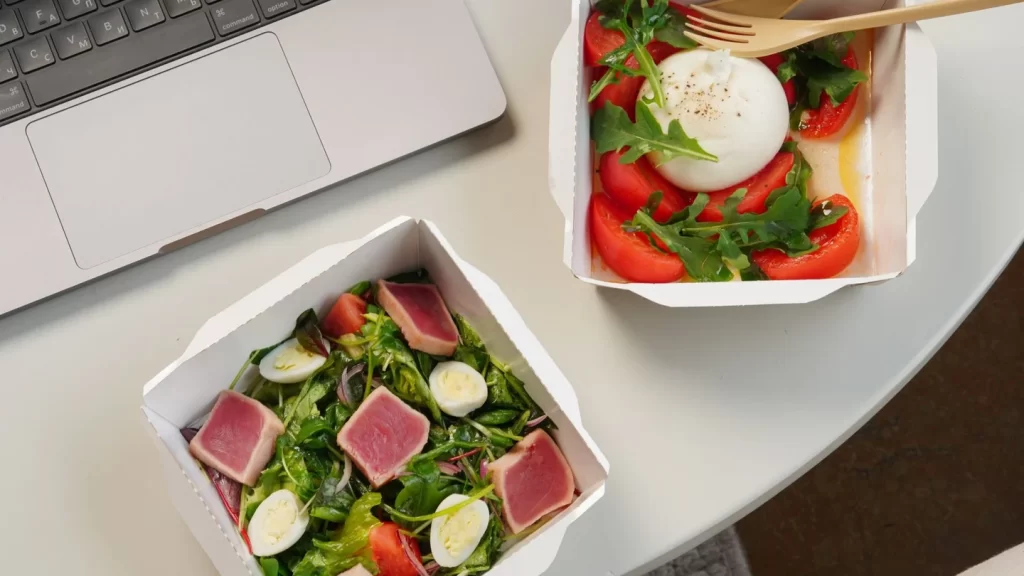
A solid dinner usually includes:
- protein like eggs, yogurt, beans, chicken, fish, tofu, or lentils
- fiber-rich carbs like potatoes, rice, oats, beans, or whole grains
- vegetables or fruit for volume and balance
- enough food that you are not still semi-hungry an hour later
For example, compare these two dinners:
- toast and tea
- grilled chicken, rice, vegetables, and yogurt
One of them is far more likely to leave you prowling the kitchen at 10 p.m.
Do not let yourself get fake-hungry all day
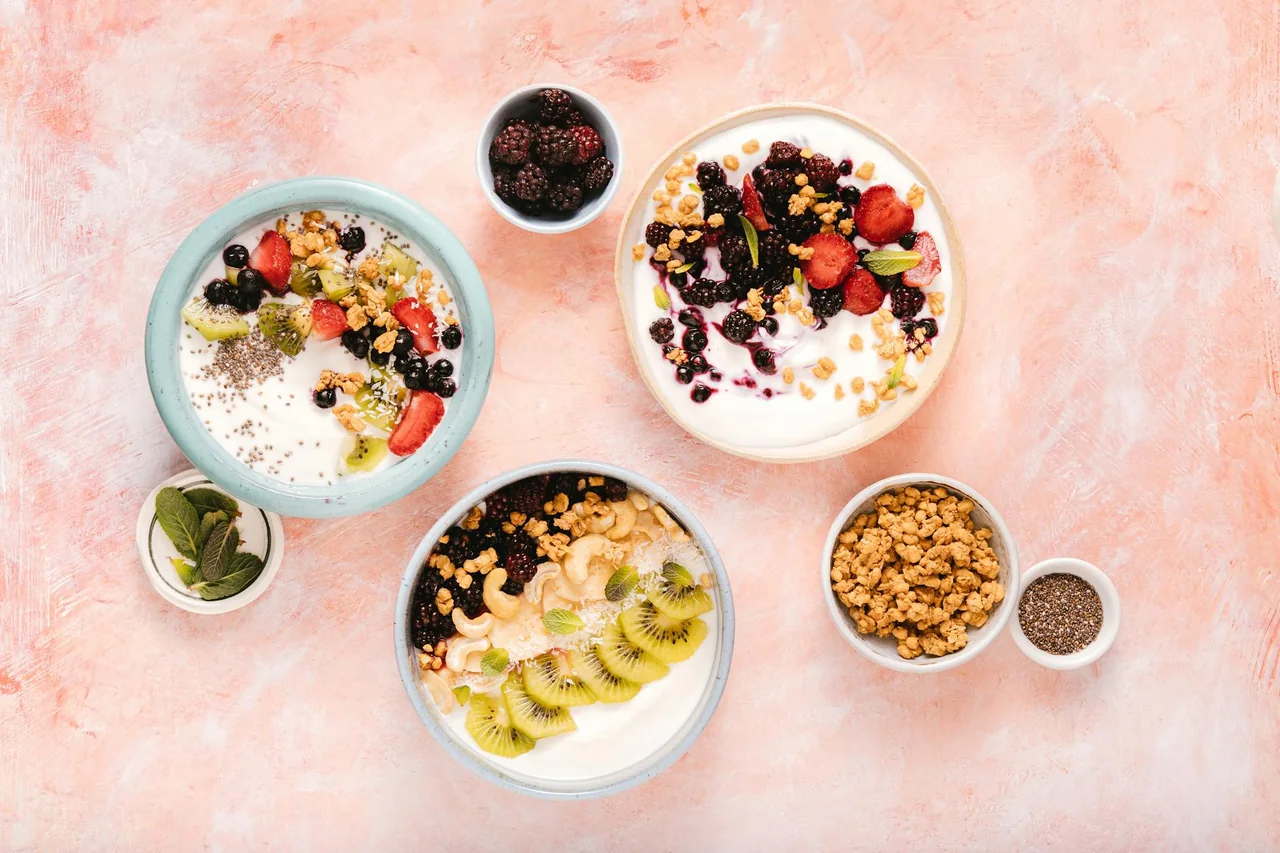
Some people do well with three meals. Others do better with meals plus one or two snacks. The exact setup matters less than whether your day is stable.
A better pattern could look like this:
- decent breakfast
- satisfying lunch
- practical afternoon snack if needed
- balanced dinner
That kind of structure often cuts down night cravings before they start.
If you want something sweet, build a smarter version
Trying to force yourself from “I want dessert” to “I will eat plain cucumber” rarely works.
A better move is to choose something that still feels enjoyable but has more staying power.
Examples:
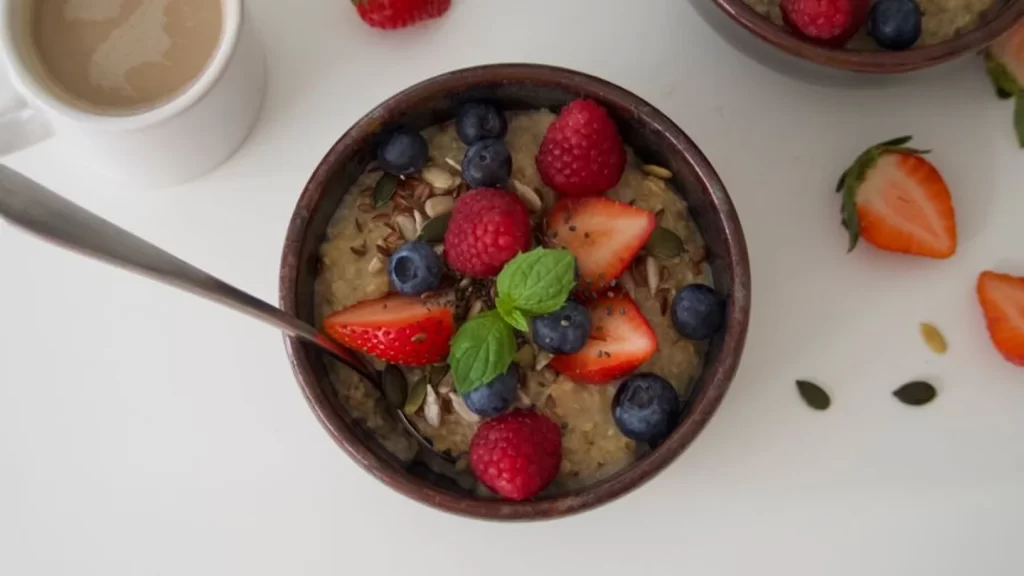
- Greek yogurt with berries
- banana with peanut butter
- apple with nuts
- yogurt with cinnamon and a few dark chocolate chips
- oats with fruit
The point is not to pretend cravings do not exist. The point is to answer them in a way that does not immediately trigger another craving 20 minutes later.
Check whether thirst or fatigue is part of the problem

Sometimes “I need sugar” is actually:
- I have barely had water today
- I am wiped out
- I am emotionally done
- I want a break, not a biscuit
That does not mean you must ignore the craving. It means you should pause long enough to ask what is really happening.
A simple check helps:
- drink water
- step away from the kitchen for five minutes
- ask whether you want food, comfort, stimulation, or rest
That tiny pause can stop automatic eating from taking over.
Make the easy choice easier
Environment matters more than people like to admit.
If the house is full of sweets and the balanced options are inconvenient, guess which one wins most nights.
Try making these more visible and ready:
- yogurt
- fruit
- nuts
- hummus
- prepared oats
- dark chocolate in portioned squares instead of giant open packs
This is not about banning every treat. It is about reducing the “grab whatever is easiest” effect.
Give yourself a proper dessert instead of endless picking
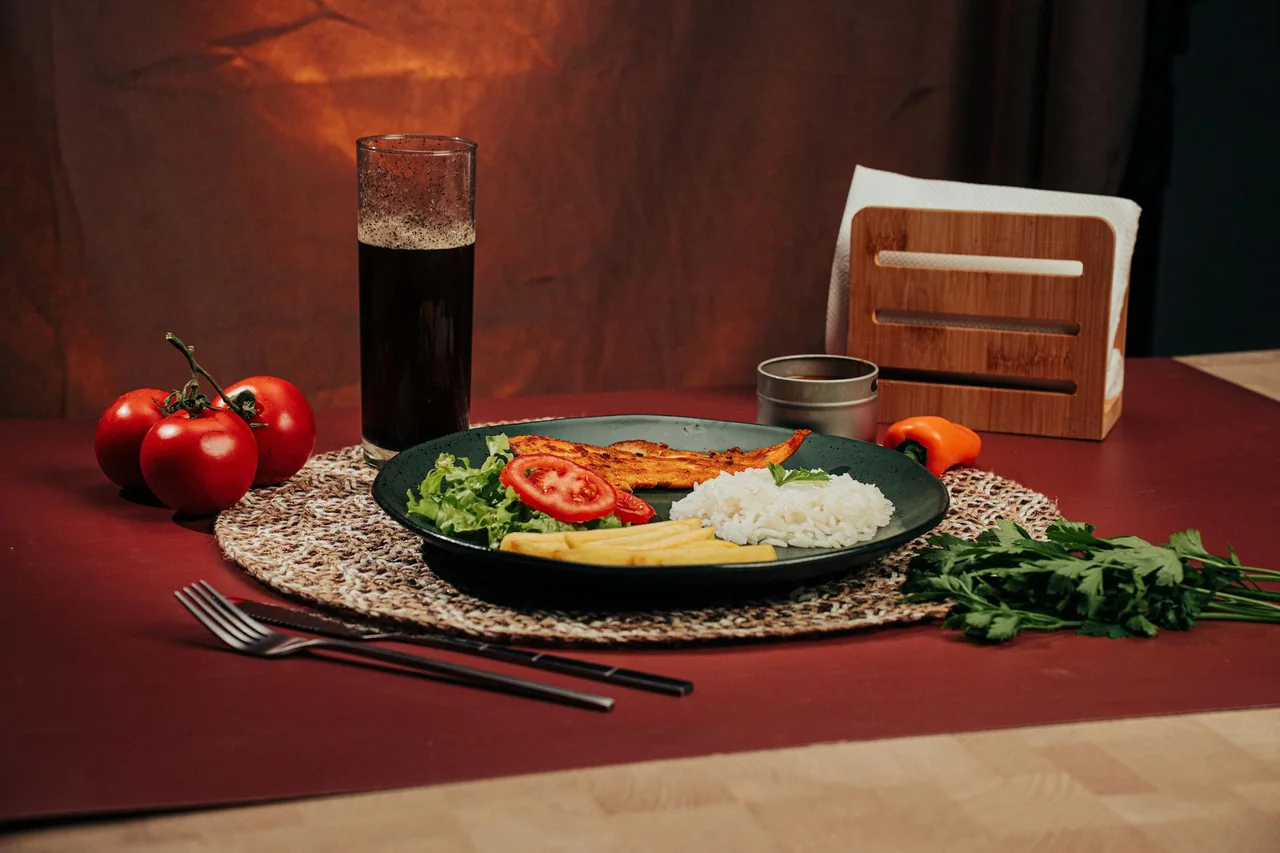
Some people do better when dessert is planned instead of chaotic.
That might mean:
- one portion served on a plate
- eaten at the table
- not eaten straight from a family-size pack
A planned dessert can feel more satisfying than repeatedly grazing because you are trying to half-resist it.
In other words, structure often works better than restriction.
Break the cue-routine loop
If cravings hit at the same time every night, something is probably cueing them.
Common cues:
- sitting on the sofa
- starting a show
- finishing work
- making tea
- scrolling in bed
One helpful experiment is to change just one part of the routine.
For example:
- brush your teeth earlier
- switch the snack location
- make herbal tea instead of opening sweets straight away
- do a short walk after dinner
- keep your hands busy with a shower, stretching, or tidying up
You are not trying to become a robot. You are simply interrupting the pattern long enough to weaken it.
Watch out for all-or-nothing thinking
This mindset ruins a lot of progress:
- “I already had two cookies, so the night is spoiled.”
- “I need to cut sugar completely.”
- “If I really wanted to be healthy, I would never crave this.”
That thinking usually leads to rebound eating.
A more useful approach is:
- I noticed the craving.
- I can respond a little better tonight.
- Progress counts even if it is not perfect.
That is how habits actually improve.
When cravings may need more attention
If cravings feel overwhelming most nights, come with binge-type eating, or make you feel out of control regularly, it may help to talk with a health professional or registered dietitian.
Sometimes the issue is not really sugar itself. It may be stress, restrictive dieting, poor sleep, emotional eating, or a cycle of under-eating and over-correcting.
The bottom line
To stop sugar cravings at night, look beyond willpower.
The biggest levers are usually:
- eating enough through the day
- making dinner more balanced
- choosing smarter sweet options when you want them
- changing the evening routine that triggers automatic snacking
- reducing the gap between what is easy and what is helpful
You do not need a perfect diet. You need an evening setup that stops making sugar the only comforting option on the table.
Sources
- Get the Facts: Added Sugars – CDC
- Be Smart About Sugar – CDC
- Fiber – The Nutrition Source – Harvard T.H. Chan School of Public Health
- Protein – The Nutrition Source – Harvard T.H. Chan School of Public Health
Related reading: If nighttime habits are part of the problem, see Foods That Help You Sleep Better at Night: What to Eat and What to Avoid and Why Am I Always Tired? 10 Everyday Habits That Drain Your Energy.
Purpleflow publishes informational content, not personal medical advice. See our wellness disclaimer and editorial policy.