If you want to start strength training at home, the good news is that you do not need a perfect setup to begin.
You do not need a garage gym. You do not need an advanced split routine. And you definitely do not need to wait until you feel “fit enough” to start.
What you do need is a simple plan that covers the basics, feels realistic for your current level, and is easy enough to repeat next week instead of abandoning after three hard sessions.
What counts as strength training?
Strength training is any exercise that challenges your muscles enough to make them work and adapt over time.
At home, that can include:
- bodyweight exercises
- resistance bands
- dumbbells
- kettlebells
- loaded backpacks
- controlled tempo work
So no, home strength training is not fake training. It still counts if the muscles are being challenged properly.
The beginner mistake to avoid
Many beginners start with too much volume, too many exercises, or too many workout days.
That usually leads to one of two outcomes:
- everything feels overwhelming
- soreness gets so bad that the next workout never happens
For most beginners, a better target is 2 to 3 full-body sessions per week.
That is enough to learn the movements, build consistency, and make progress without turning fitness into a punishment project.
The basic movement patterns to cover
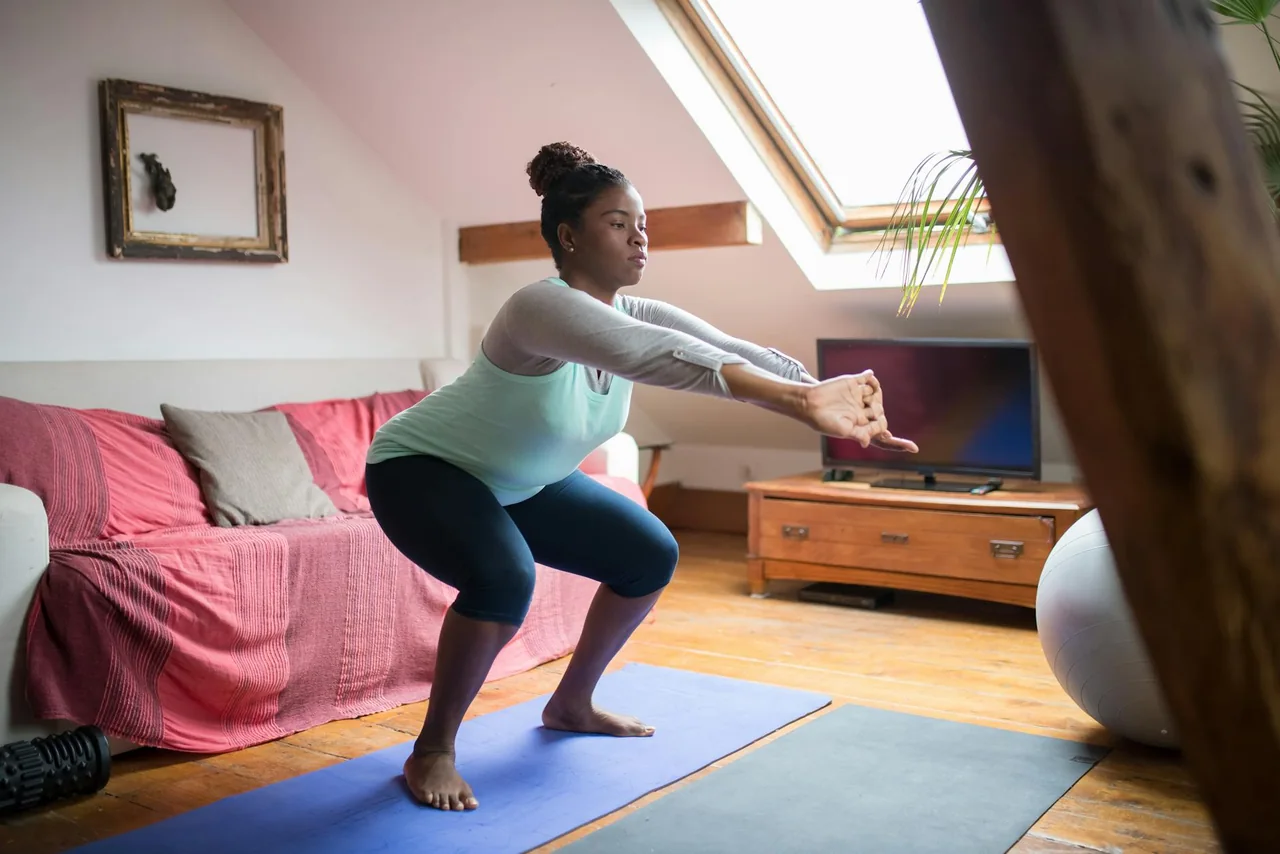
You do not need 14 exercises in one session. Focus on a few important patterns:
- squat
- hinge
- push
- pull
- carry or core stability
That gives you a more balanced routine than repeating random ab circuits and lunges until you get bored.
A beginner-friendly weekly strength plan at home
Here is a very practical starting setup.
Option 1: Two days per week
Day 1
– squat variation
– push variation
– row or pull variation
– core exercise
Day 2
– hinge variation
– split squat or step-up
– overhead or horizontal push variation
– carry or plank variation
Option 2: Three days per week
Monday – full body
Wednesday – full body
Friday – full body
Keep the structure simple and repeatable. Beginners do not need endless variation at first.
Sample workout you can start with

1. Bodyweight squat or goblet squat
- 2 to 3 sets
- 8 to 12 reps
This trains your legs and helps build confidence with lower-body movement.
2. Incline push-up, wall push-up, or standard push-up
- 2 to 3 sets
- 6 to 10 reps
Use a level that feels challenging but controlled.
3. Resistance-band row or dumbbell row
- 2 to 3 sets
- 8 to 12 reps
Rows help balance out all the pushing many people naturally do.
4. Glute bridge or hip hinge pattern
- 2 to 3 sets
- 10 to 15 reps
This helps train the back side of the body, which many beginners neglect.
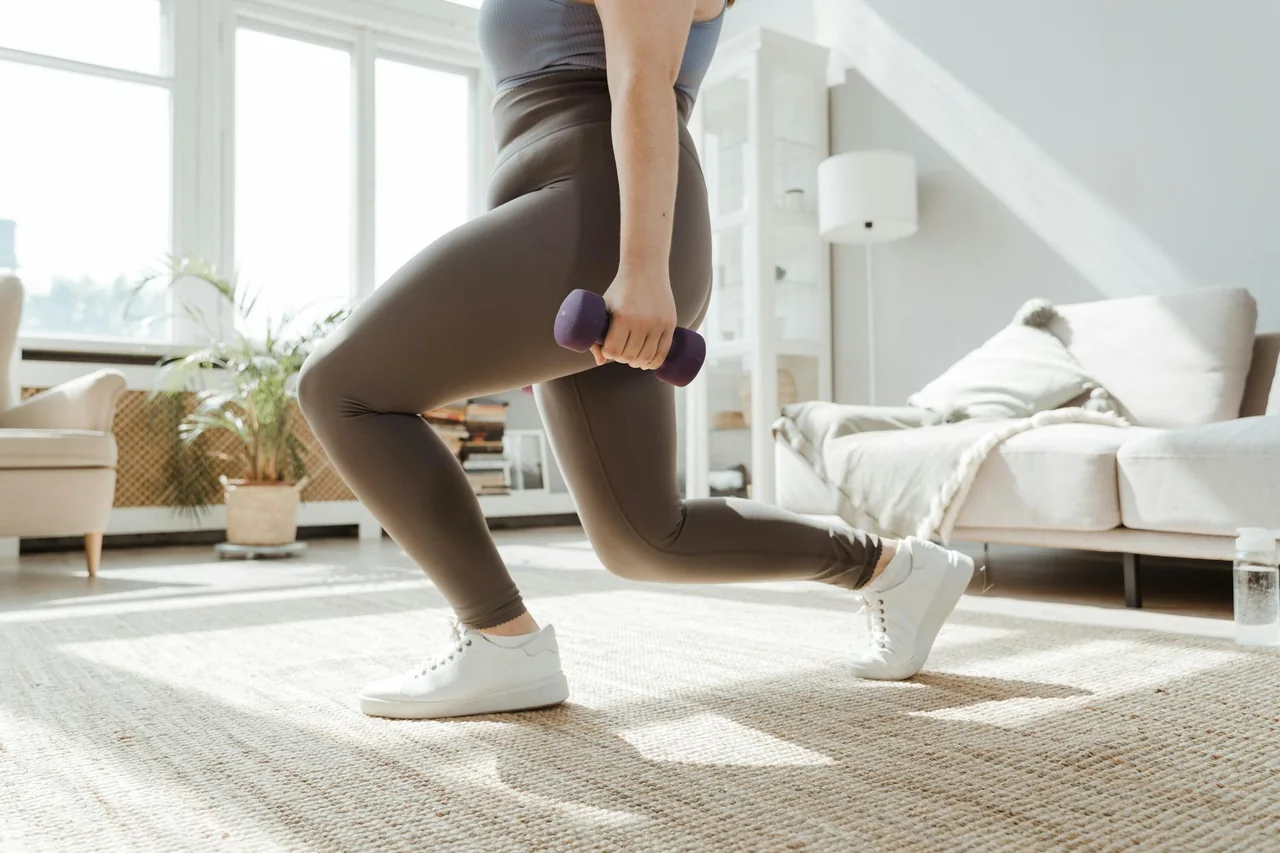
5. Split squat or reverse lunge
- 2 sets each side
- 6 to 10 reps
Single-leg work builds stability and strength surprisingly fast.
6. Plank or dead bug
- 2 to 3 rounds
- controlled holds or reps
Core work does not need to be endless. Good form matters more than duration bragging rights.
How hard should it feel?
A beginner workout should feel like work, but not chaos.
A good rule of thumb is to finish most sets feeling like you could still do 1 to 3 more reps with solid form.
That means:
- not ridiculously easy
- not total failure every set
- not sloppy reps just to hit a number
Consistency beats drama here.
Do you need equipment?

You can start with bodyweight alone, especially if you are completely new.
That said, even one or two simple tools can help a lot:
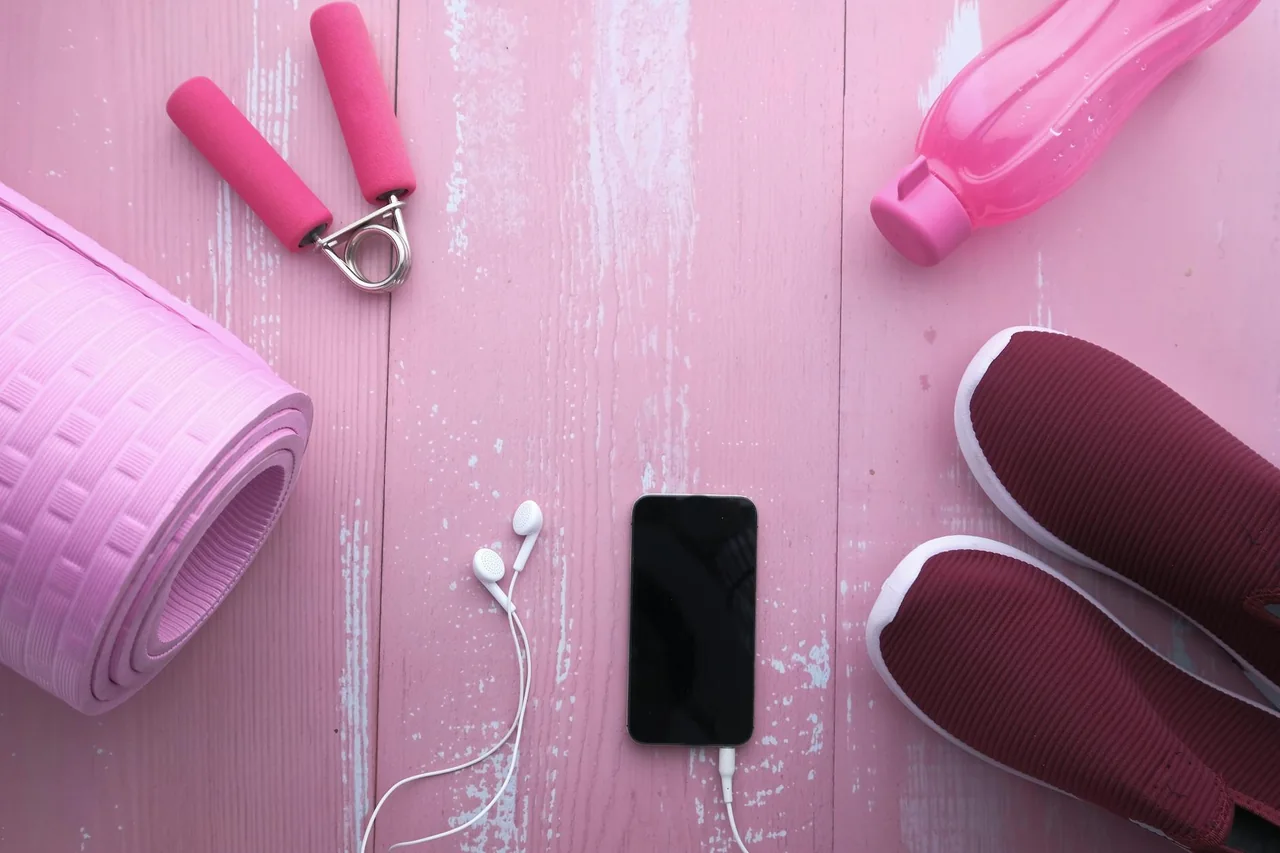
- a resistance band
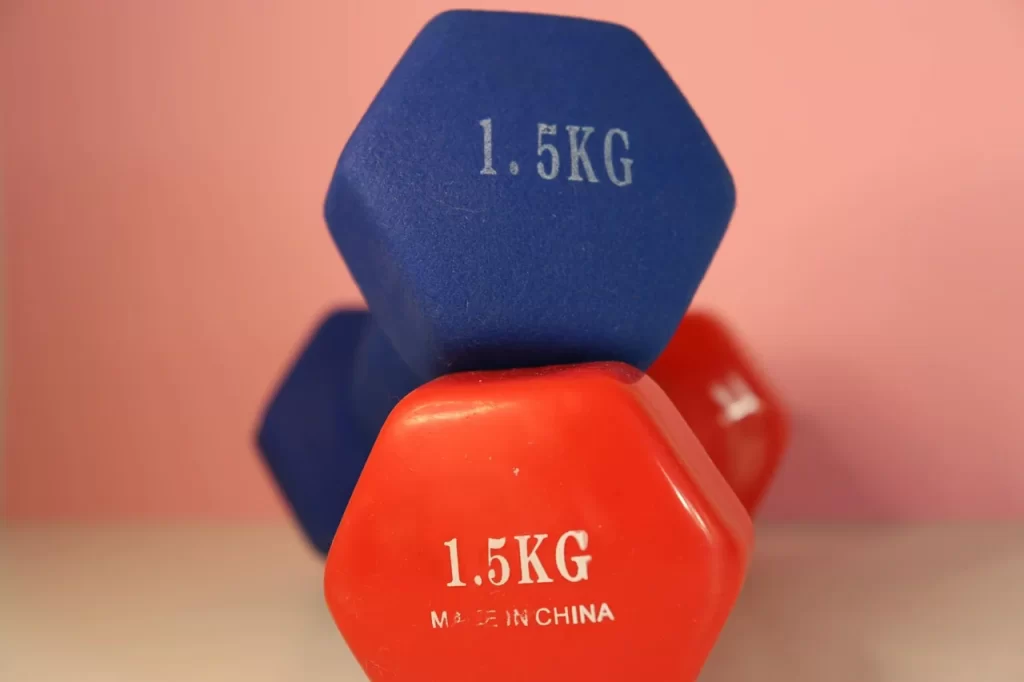
- a pair of dumbbells
- a sturdy chair or bench
- a mat if you like floor work
A resistance band is especially useful because it gives you a pulling movement option at home without much cost or space.
How to progress without overthinking it
Progress does not always mean buying heavier gear immediately.
You can make exercises harder by:
- adding reps
- adding sets
- slowing down the lowering phase
- reducing rest slightly
- increasing range of motion
- moving to a harder variation
- using more load when available
For example, you might go from:
- wall push-up
- incline push-up
- knee push-up
- standard push-up
That is still real progress.
Common beginner mistakes
Doing too much too soon
More is not better if it wipes you out.
Ignoring pulling movements
A lot of home routines overdo push-ups and underdo rows.
Chasing soreness
Soreness is not the goal. Improvement is.
Changing the plan every week
Beginners benefit from repeating a solid routine long enough to actually improve at it.
Skipping recovery basics
Sleep, food, hydration, and rest days still matter.
How to make the routine stick
If you want home strength training to last, remove friction.
Try this:
- choose fixed days
- keep workouts short enough to finish
- leave equipment visible if possible
- track reps in a notebook or app
- stop trying to build the perfect routine before you build the habit
A 30-minute plan you repeat wins against an “ideal” 70-minute plan you keep postponing.
A realistic week for a total beginner
Monday
- squat
- push-up variation
- row
- plank
Wednesday
- glute bridge
- split squat
- shoulder press or push-up variation
- dead bug
Friday
- repeat Monday or Wednesday with small progress
Add walking on other days if you want extra movement, but keep the strength work simple.
The bottom line
To start strength training at home, focus on a few basic movement patterns, train 2 to 3 times per week, and keep the plan small enough to repeat.
You do not need to prove anything in week one. You need to create a routine that gets you stronger over time.
That means:
- simple exercises
- clear structure
- manageable effort
- steady progress
That is how a beginner home routine stops being a phase and starts becoming something useful.
Sources
- Adult Activity: An Overview – CDC
- Adding Physical Activity as an Adult – CDC
- Strength exercises – NHS
Related reading: If you want to train more consistently without beating yourself up, see How to Recover Faster After a Workout: 7 Things That Actually Help and How to Stretch After a Workout: Best Recovery Stretches and Techniques.
Purpleflow publishes informational content, not personal medical advice. See our wellness disclaimer and editorial policy.