A lot of people start the day with coffee before anything else. No water. No breakfast. No pause. Just straight to the first cup. That is why so many people ask is coffee on an empty stomach bad for you. They are not asking in theory. They are asking because the habit either feels fine, feels questionable, or makes them wonder whether it is helping more than it hurts.
The honest answer is not a dramatic yes or no. For some people, coffee on an empty stomach feels completely manageable. For others, it can trigger jitters, nausea, acid discomfort, or a shaky kind of alertness that does not actually feel good. A lot depends on your own sensitivity, your overall health, how much coffee you drink, and what the rest of your morning looks like.
This guide breaks it down clearly so you can stop guessing. We will look at why coffee on an empty stomach feels fine for some people and rough for others, when you should probably change the habit, and what to do if you still want your first cup without the downside.
The Short Answer: It Is Not Automatically Harmful, but It Is Not Ideal for Everyone
Drinking coffee before food is not automatically dangerous for healthy adults. Plenty of people do it without obvious problems. But that does not mean it is the best fit for everyone. Some people notice digestive discomfort, anxiety, shakiness, or a stronger caffeine hit when they drink coffee without eating anything first.
That is why the better question is not “Is this habit universally bad?” It is “How does this habit affect me?” If your first cup leaves you feeling focused, comfortable, and fine, that is one thing. If it leaves you edgy, nauseous, or hungry an hour later, that is another.
Why Coffee on an Empty Stomach Feels Bad for Some People
There are a few common reasons. First, caffeine can feel more intense when there is no food in the system. Some people get a quicker, sharper effect that they interpret as productivity, but others feel jittery, anxious, or unsettled. Second, coffee can irritate some stomachs or worsen reflux for people who are already prone to it. Third, if coffee replaces breakfast instead of sitting alongside it, you may end up with more unstable energy later in the morning.
In other words, the problem is often not the coffee alone. It is the combination of caffeine, no food, no water, and a rushed morning routine.

Who Is More Likely to Notice a Problem?
You may want to be more careful with coffee on an empty stomach if:
- You are prone to acid reflux or stomach irritation
- You feel anxious or shaky easily after caffeine
- You already struggle with poor sleep or overstimulation
- You often skip breakfast and crash later in the morning
- You are pregnant or have been advised to monitor caffeine more closely
These are not signs that coffee is “bad.” They are signs that your current version of the habit might not be working for you very well.
Who Might Feel Totally Fine?
Some people tolerate morning coffee very well, even before food. If you drink a moderate amount, feel good afterward, do not have stomach issues, and your sleep is still okay, the habit may be fine for you. This is one reason online coffee advice gets so messy: people assume their personal reaction is universal.
Your job is not to win the coffee debate. Your job is to notice how your body responds.

What Happens If Coffee Replaces Breakfast?
This is where the habit becomes less helpful. When coffee becomes breakfast instead of sitting beside a meal, you are often left with caffeine without much real fuel. That can create a fake sense of readiness at first, followed by hunger, irritability, or low energy later. It can also make you more likely to over-snack or chase another coffee too soon.
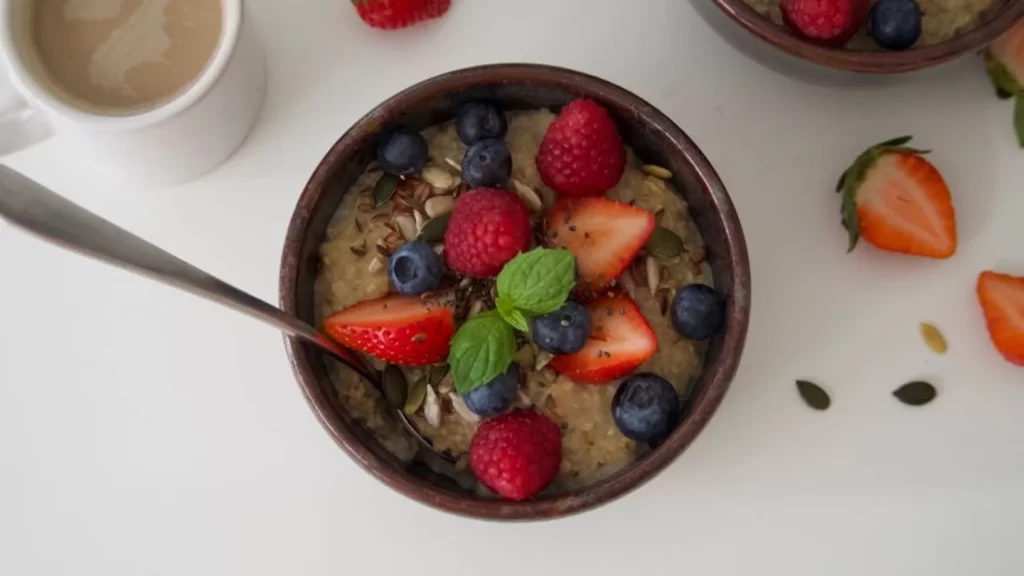
If this sounds familiar, the problem may not be the coffee itself. It may be that breakfast is underbuilt or missing entirely. Pairing your first cup with something simple like eggs, yogurt, toast with peanut butter, or fruit plus protein can change the whole effect.
If mornings are a struggle, this is where the guide on high-protein breakfast ideas and the simple hydration guide become genuinely useful.
How to Make Your First Cup Work Better
If you want to keep coffee but make the habit feel better, start with the easiest fixes:
- Drink water first. This is one of the simplest ways to improve your morning setup.
- Try a small breakfast or snack first. Even something light can reduce the harsh edge for some people.
- Keep the first cup moderate. Bigger is not always better, especially early.
- Avoid late-day caffeine. A rough night can make the next morning habit feel more necessary than helpful.
- Watch what is added. Sugar-heavy coffee drinks create a different problem than plain brewed coffee.
You do not need to quit coffee to improve coffee. Often you just need a better sequence around it.

Common Signs Your Current Coffee Habit Needs a Reset
If your first cup regularly leads to any of these, it is worth changing the routine:
- Stomach discomfort or nausea
- Feeling shaky or anxious
- Heart racing or feeling overstimulated
- Energy crash later in the morning
- Skipping food and then overeating later
- Trouble sleeping but still needing more caffeine every morning
A coffee ritual should make the day easier, not make your body feel like it is being pushed around.
What About Black Coffee Specifically?
People often ask whether black coffee is better because it is “cleaner.” From a calorie standpoint, sure, it is simpler. But from a tolerance standpoint, black coffee can feel stronger on an empty stomach for some people. Whether it is better depends less on purity and more on how you feel after drinking it.
If black coffee on an empty stomach feels rough, that is not weakness. It is feedback.
Does This Mean You Need Breakfast Before Every Cup?
Not necessarily. Some people do fine with a little water first and food a bit later. Others feel noticeably better when they eat something before coffee. The point is not to force one universal rule. It is to stop pretending the habit has zero context.
Try a simple test: for one week, drink water first and pair coffee with even a small breakfast. If your stomach feels better, your energy is steadier, or the cup feels less harsh, that is useful information.

Final Takeaway
So, is coffee on an empty stomach bad for you? Not automatically. But it is also not automatically a great idea. For some people, it is perfectly manageable. For others, it makes digestion, anxiety, or energy feel worse than they need to.
The smartest move is not blind loyalty to the habit. It is paying attention. If your first cup works, fine. If it feels rough, change the sequence: water first, some food, smaller cup, smarter timing. Coffee should support your morning, not run it.
Related reading: To make your first cup feel better, pair this with High-Protein Breakfast Ideas for Busy Mornings and How Much Water Should You Drink a Day?.
References and Further Reading
Purpleflow publishes informational content, not personal medical advice. See our wellness disclaimer and editorial policy.