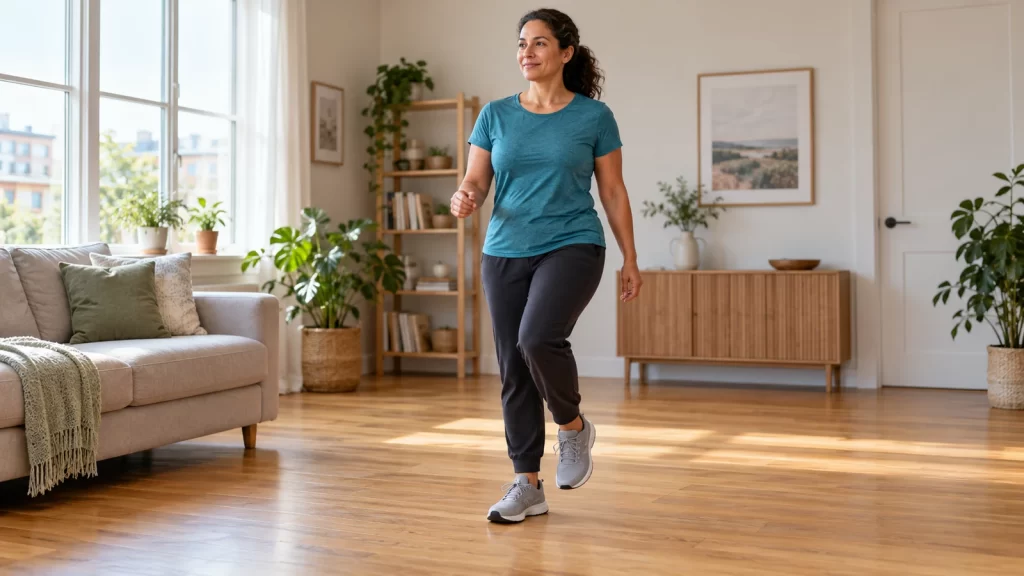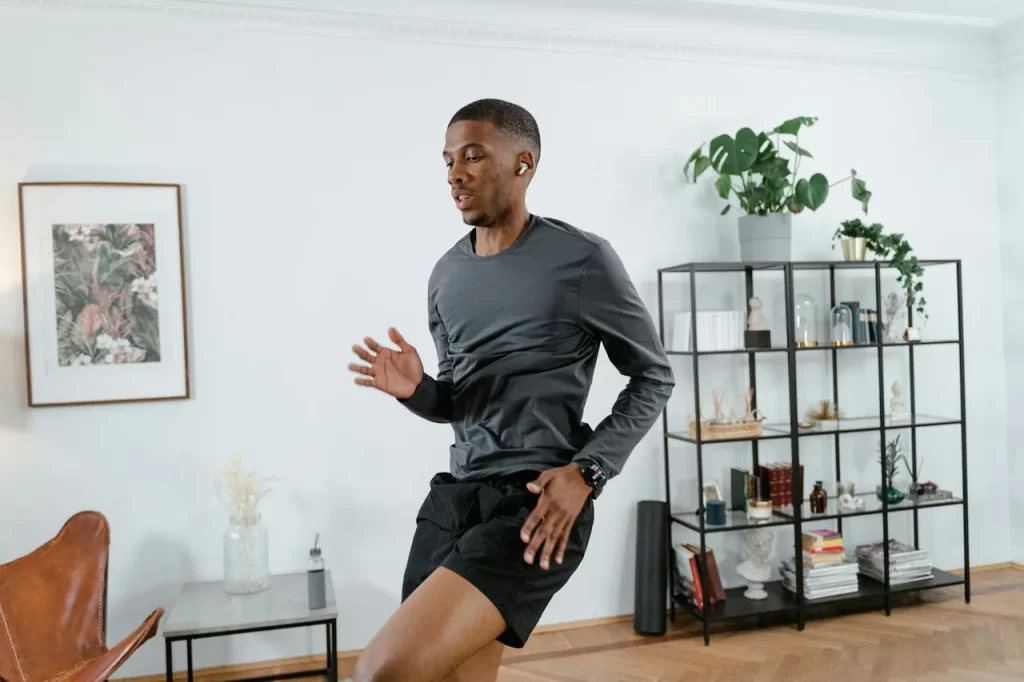
If you have ever finished a workout and wondered whether stretching is actually worth the time, you are not alone. Some people treat post-workout stretching like a sacred rule. Others skip it completely because they assume it does nothing. The useful answer sits in the middle. Stretching after exercise can help you slow down, improve how you feel after training, and support flexibility over time, but it works best when it is done at the right time, with realistic expectations, and as part of a bigger recovery routine.
That is why a search like how to stretch after a workout is so common. People are not usually looking for abstract theory. They want to know what to do, how long to hold it, which stretches matter most, and whether stretching actually helps soreness, mobility, and recovery. They want a practical cooldown they can use today.
This guide breaks it down simply. You will learn when to stretch after a workout, which stretches are most useful, how to build a short recovery flow, and which other recovery techniques are worth paying attention to. The goal is not to overcomplicate your cooldown. It is to make recovery more intentional so your next workout feels better instead of heavier.
Why Stretching After a Workout Still Matters
Stretching after exercise is most useful when you treat it as part of the transition out of training. Your muscles are warm, your breathing is elevated, and your body has been working through repeated movement patterns. A few minutes of controlled stretching can help you ease out of that state, bring your heart rate down gradually, and spend time in positions that support mobility rather than staying stiff and compressed.
What stretching does not do is magically erase soreness or fix poor recovery habits. If you are underslept, dehydrated, and going too hard too often, five minutes of stretching will not solve the bigger problem. But if the rest of your training habits are reasonably solid, stretching can help you feel looser, more deliberate, and better prepared for the next session.
In other words, stretching is helpful, not magical. That is actually good news, because it means you do not need a complicated routine to get value from it.
When Should You Stretch After a Workout?
The best time to stretch is after your training session once the hard part is done and your body is still warm. That is the sweet spot for a cooldown. You are not trying to hit aggressive flexibility targets. You are simply using the warm post-workout window to slow down and move with a little more length and control.
That is also why people often confuse warm-ups and cooldowns. A warm-up prepares you for effort. A cooldown helps you step back down from effort. Before exercise, dynamic movement usually makes more sense. After exercise, slower stretches and calm breathing fit better.

If you only have five minutes, use them at the end, not the start. A short post-workout routine is usually more useful than static stretching before your main work begins.
What Are the Best Stretches After a Workout?
The best post-workout stretches are the ones that match what you trained. That sounds obvious, but many people use random cooldowns that do not reflect the session they just did. If you ran, your calves, hips, and quads may need attention. If you lifted, your chest, lats, glutes, or hamstrings might feel more relevant. If you did a full-body workout, you want a simple sequence that hits the major areas without dragging on too long.
Here are some of the most useful recovery stretches for general training:
- Hip flexor stretch: useful after running, cycling, or long periods of sitting
- Hamstring stretch: helpful after lower-body work and many cardio sessions
- Quad stretch: great after squats, lunges, or uphill walking and running
- Calf stretch: especially useful after jumping, sprinting, or treadmill work
- Chest and shoulder opener: good after upper-body training or a day hunched over devices
- Glute stretch: useful after leg days, walking, or bike sessions
- Child’s pose or lat stretch: a good reset after full-body effort
You do not need all of them every time. Pick four or five that match your workout and your usual tight spots.

A Simple 5-Minute Post-Workout Stretch Routine
If you want a practical answer to “what should I actually do?”, use this short routine after a general workout:
- 30 seconds per side: hip flexor stretch
- 30 seconds per side: standing quad stretch
- 30 seconds per side: calf stretch against a wall
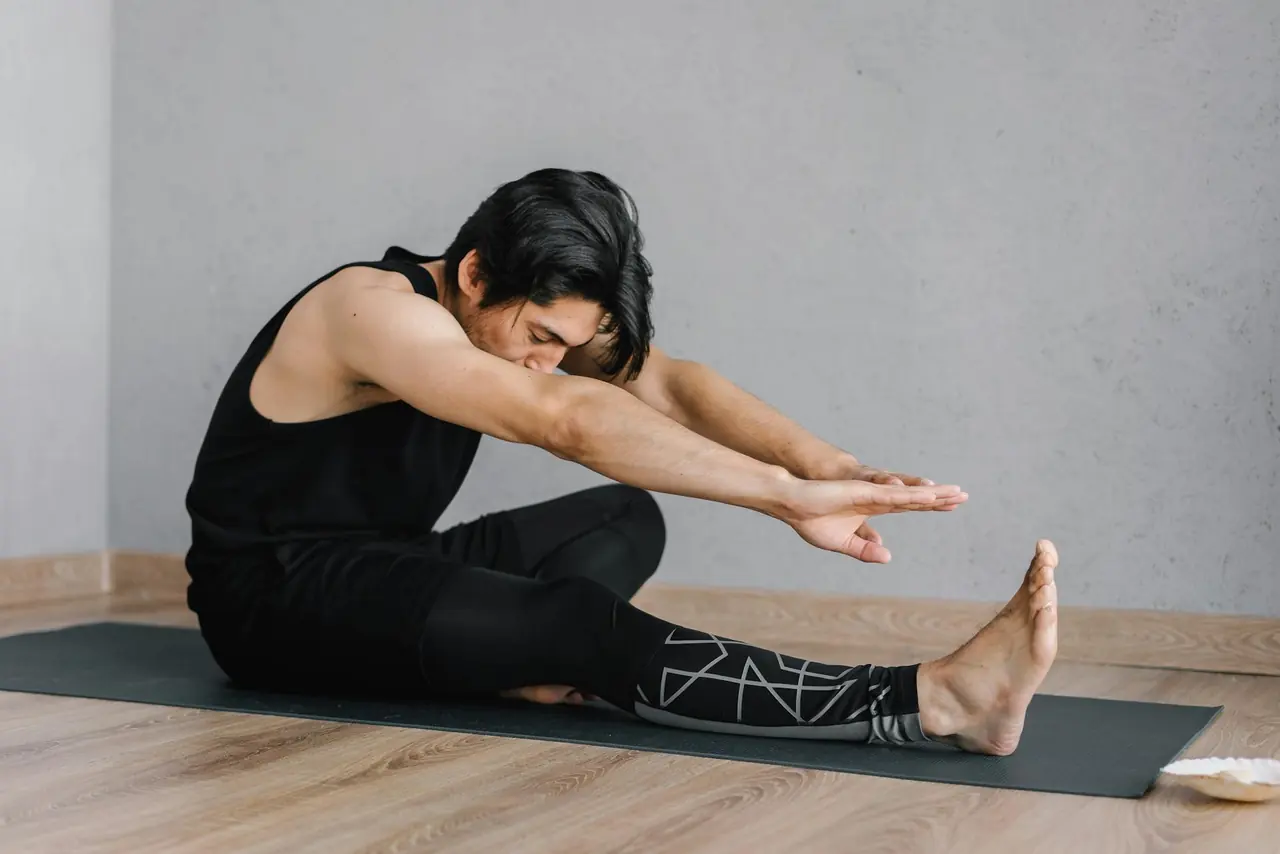
- 30 seconds per side: seated or standing hamstring stretch
- 30 seconds per side: figure-four glute stretch
- 30 seconds: chest opener or doorway stretch
- 30 seconds: child’s pose with slow breathing
Hold each position gently. You should feel mild tension, not pain. Stretching works better when you stop trying to “win” the movement. Breathe, relax your face and shoulders, and let the stretch feel sustainable.
Does Stretching Reduce Soreness?
This is where expectations matter. Stretching may help you feel better after a workout, but it is not a guaranteed fix for soreness. Delayed onset muscle soreness usually comes from the training stress itself, especially when you do something new, increase volume, or push intensity harder than usual. Stretching can make your body feel less stiff and more mobile, but it will not cancel out the fact that your muscles still need time to recover.
That said, feeling less stiff matters. If stretching helps you move more comfortably the rest of the day, that is a useful result. Just do not confuse “I feel a little better now” with “I recovered fully because I stretched.” Real recovery is bigger than one tool.
Other Recovery Techniques That Actually Help
If you want better recovery, think in layers. Stretching is one layer. The more meaningful layers are usually sleep, hydration, decent food, sensible training volume, and enough easy movement between harder sessions. Recovery improves most when the basics are not constantly being neglected.
Helpful techniques can include:
- Light walking after training: supports circulation and helps you gradually come down
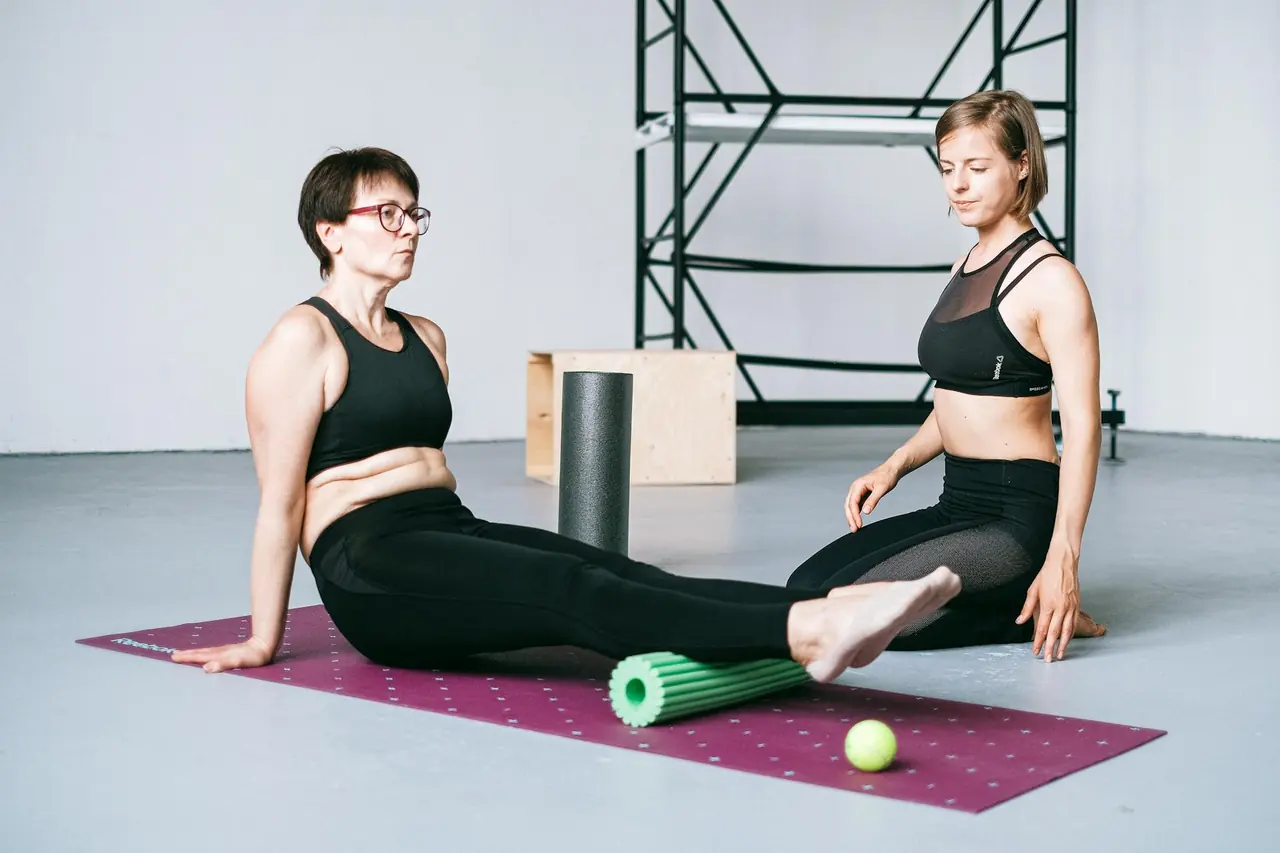
- Foam rolling: some people find it helpful for tension and short-term relief
- Protein and balanced meals: useful for repair and overall training support
- Hydration: especially important after sweating heavily
- Sleep: still the most important recovery tool most people underestimate
If your recovery feels poor every week, ask whether your cooldown is the real issue or whether the bigger problem is training load plus life stress.
Common Stretching Mistakes to Avoid
The most common mistake is stretching too aggressively. People often force range they do not own, hold their breath, and turn a cooldown into another strain session. That is not recovery. Another common mistake is doing random stretches without any connection to the workout that came before them.
Watch out for these issues:
- Holding painful positions instead of gentle, controlled ones
- Rushing through stretches without breathing or relaxing into them
- Skipping the cooldown entirely because the workout is over
- Expecting stretching to fix poor training decisions
- Confusing pre-workout warm-up work with post-workout recovery work
A good stretch should feel like useful tension. It should not feel like punishment.
How Long Should You Hold a Stretch?
For most general post-workout cooldowns, holding a stretch for around 15 to 30 seconds is enough. If you are very tight in a specific area and the position feels comfortable, you can stay a bit longer. The bigger priority is not extreme duration. It is consistency and quality. Five calm minutes after several workouts each week will usually do more than one long stretch session that you never repeat.
Think of it this way: stretching is a practice, not a one-time rescue mission. Small repeated doses work better than occasional dramatic efforts.
Should You Stretch Every Day?
You do not need a full stretching session every day unless mobility is a specific goal for you. But most people benefit from at least a little daily movement and some flexibility work through the week, especially if they sit a lot or train hard. After workouts, a brief cooldown is usually enough. On rest days, a longer mobility or flexibility session can help if it feels good and supports how you move.
The key is to match the habit to your real life. If daily stretching sounds good in theory but never happens, build from post-workout cooldowns first.
A Smarter Way to Think About Recovery
Recovery is not just what you do after a workout. It is how you train, how you sleep, what you eat, how much stress you are carrying, and how much volume you try to handle each week. Stretching belongs in that picture, but it is one piece. The smartest approach is simple: train hard enough to improve, recover well enough to repeat, and stop expecting one tool to do the whole job.
That is why a short cooldown works so well. It is easy to keep, it helps you transition out of effort, and it reinforces the idea that recovery is part of training, not separate from it.
Final Takeaway
If you have been wondering how to stretch after a workout, the answer is simpler than most people expect. Cool down while your body is still warm, choose a few stretches that match the session you just finished, hold them gently, and breathe. That gives you a useful routine without wasting time or overthinking recovery.
The best post-workout stretching habit is the one you will actually keep. Make it short, make it specific, and let it support the rest of your recovery instead of trying to replace it.
References and Further Reading
- NHS: How to Stretch After Exercising
- NHS: How to Warm Up Before Exercising
- NHS: Flexibility Exercises
- CDC: Adult Activity Guidelines
Related reading: If you want to make recovery more useful between sessions, see How to Recover Faster After a Workout: 7 Things That Actually Help and How to Start Strength Training at Home: A Beginner Weekly Plan.
Purpleflow publishes informational content, not personal medical advice. See our wellness disclaimer and editorial policy.