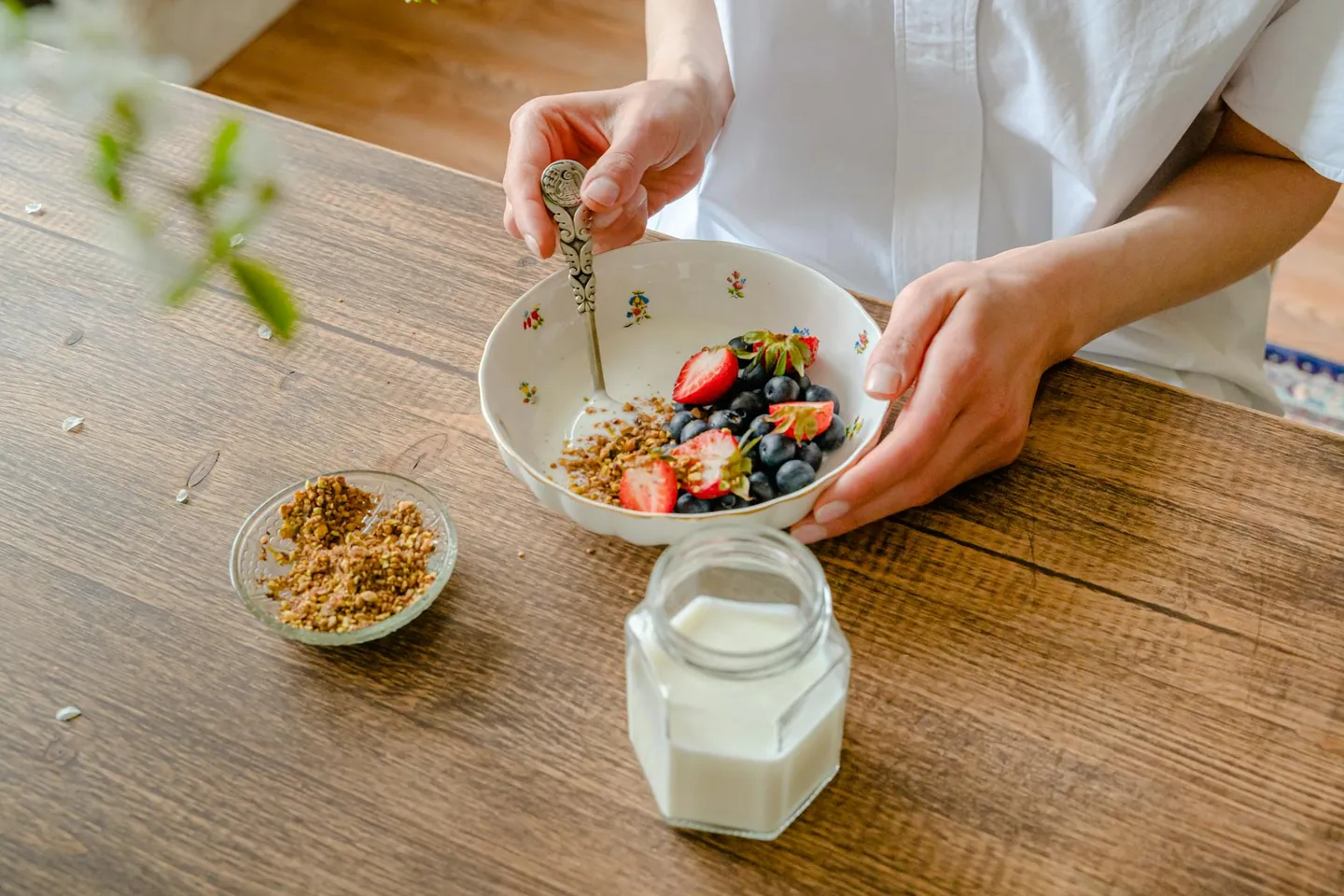
When people talk about “boosting” the immune system, the idea often gets oversimplified. There is no magic tea, miracle supplement, or overnight fix that makes your body instantly bulletproof. What does help is giving your immune system the basic conditions it needs to do its job well: enough sleep, consistent hydration, nutrient-dense food, regular movement, and a lower stress load. The good news is that you can start improving all five this week without turning your life upside down.
Your immune system works around the clock. It responds to viruses and bacteria, helps repair tissue, manages inflammation, and communicates with the rest of your body through an incredibly complex network of cells and signals. When daily habits are poor, that system has to work harder. When daily habits improve, even in small ways, your body gets better support and usually feels the difference quickly.
This guide covers five everyday habits that support general health and normal immune function. They do not guarantee that you will avoid an infection or replace medical care. The NIH guide to immune function explains that adequate nutrition matters, but taking more vitamins and minerals than you need generally does not prevent infections or speed recovery when you do not have a deficiency.
Start With Consistent Habits, Not an Overnight Fix
You do not need to wait months to notice early benefits from better habits. While strong immune health is built over time, one focused week can improve the basics that matter most. Better sleep can lower your stress burden. Better hydration can improve energy and recovery. More whole foods can give your body the vitamins, minerals, fiber, and protein it uses every day. A short walk after meals can support circulation and help reduce that heavy, sluggish feeling that often comes from sitting too much.
Think of this week as a reset, not a perfection test. You are not trying to become a different person by Friday. You are trying to make your body’s job easier. That is a much smarter goal, and it is a lot more sustainable.
1. Prioritize Sleep Like It Is Part of Your Health Plan
If you only improve one thing this week, make it sleep. Sleep is when your body does some of its best repair work. During quality sleep, your immune system releases important signaling proteins, regulates inflammation, and resets after the demands of the day. Poor sleep, especially several nights in a row, is linked with lower resilience, worse recovery, mood changes, and a greater chance of feeling run down.
Many people look for ways to “boost” immunity while quietly sleeping five or six broken hours a night. That is like trying to build strength in the gym while skipping meals. Your body can compensate for a while, but it is working at a disadvantage.
What to do this week
- Set a fixed sleep window. Pick a bedtime and wake-up time you can realistically follow for seven days. Aim for at least seven hours in bed, and closer to eight if you have been exhausted lately.
- Cut bright screens 45 to 60 minutes before bed. If that is not possible, at least reduce stimulation. No doomscrolling, no stressful work, and no “just one more episode” trap.
- Keep your room cool and dark. Even basic changes like closing curtains, lowering room temperature, or using an eye mask can improve sleep quality.
- Stop caffeine earlier. For many people, caffeine after early afternoon can quietly sabotage sleep even if they fall asleep fast.
A simple bedtime routine helps more than people expect. Ten quiet minutes, dim lights, a glass of water, and a consistent bedtime cue can train your body to wind down faster. You do not need a perfect routine. You need a repeatable one.
If you wake up feeling tired every morning, your immune system is probably not getting the recovery support it deserves. This week, protect sleep like you would protect an important meeting. The payoff is bigger than most supplements people spend money on.

2. Eat More Foods That Support Recovery, Not Just Fullness
Your immune system depends on a steady supply of nutrients. That does not mean you need an expensive “superfood” stack. It means your everyday meals should do more work for you. Whole foods give your body vitamins, minerals, antioxidants, fiber, healthy fats, and protein, all of which support recovery and help regulate inflammation.
Instead of asking, “What is one immune-boosting food?” ask, “How can I make my meals more supportive this week?” That question leads to better results because immune health comes from patterns, not isolated hacks.
Focus on these food groups
- Colorful vegetables and fruit: Bell peppers, citrus fruit, berries, tomatoes, spinach, carrots, broccoli, and leafy greens provide vitamin C, antioxidants, and plant compounds that support overall health.
- Protein at each meal: Eggs, yogurt, lentils, beans, fish, chicken, tofu, paneer, or lean meat help your body repair tissue and maintain normal immune function.
- High-fiber foods: Oats, fruit, vegetables, beans, and whole grains support gut health, which matters because a large part of immune activity is linked to the gut.
- Healthy fats: Nuts, seeds, olive oil, and fatty fish can support a balanced inflammatory response.
- Fermented foods if they suit you: Yogurt, kefir, kimchi, or other fermented foods may help support a healthier gut environment.
One easy rule: build your plate around a protein source, a big serving of plants, and one useful carb such as oats, rice, potatoes, beans, or whole grains. That gives you much better nutritional coverage than living on refined snacks and random convenience meals.
A simple immune-supportive day of eating
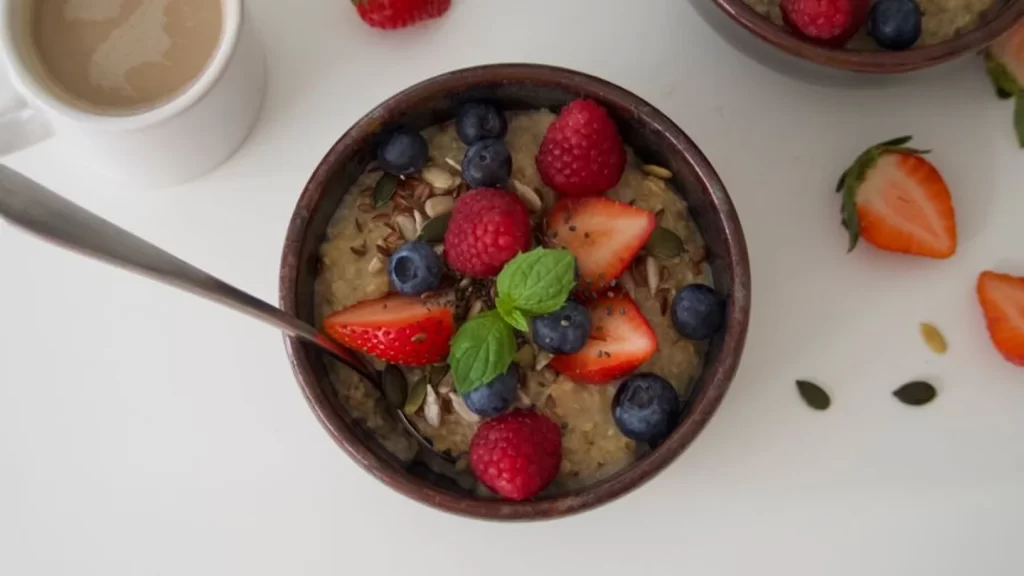
- Breakfast: Greek yogurt or curd with berries, seeds, and oats, or eggs with sautéed vegetables and whole-grain toast.
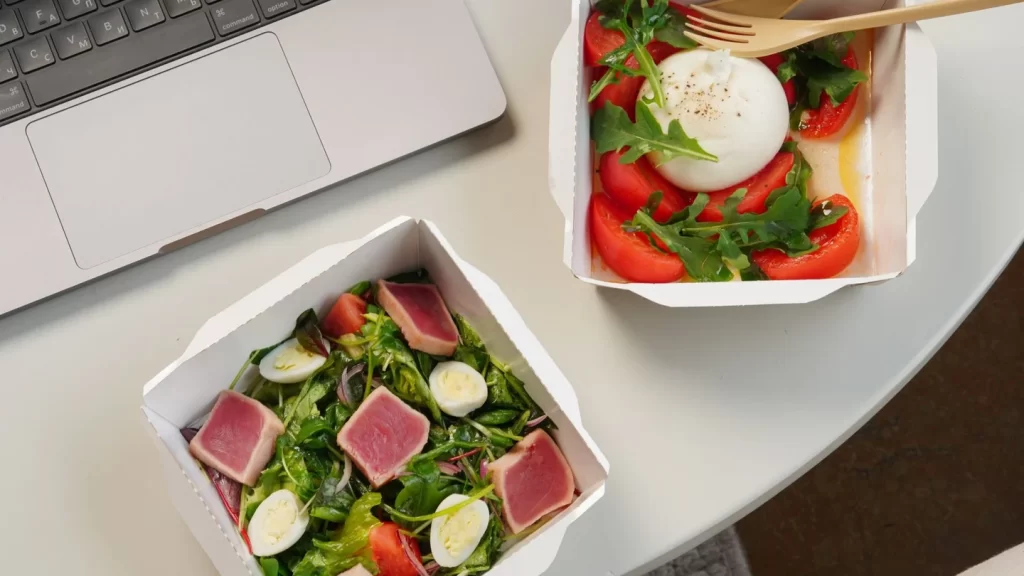
- Lunch: Rice or quinoa bowl with chicken, tofu, or beans plus mixed vegetables and olive oil dressing.
- Snack: Fruit with nuts, roasted chana, yogurt, or hummus with carrots and cucumber.
- Dinner: Dal, fish, chicken, or tofu with cooked vegetables and a simple grain or potato.
You do not need to eat perfectly. You do need to reduce the foods that make your body work harder for very little return. Ultra-processed snacks, heavy fried meals, and too many sugary drinks are not evil, but when they dominate the week, they crowd out the food quality your body needs.
If your schedule is hectic, keep it stupidly simple. Buy fruit you will actually eat. Wash and prep vegetables once. Cook enough protein for two meals. Keep yogurt, nuts, and eggs around. The best immune-supportive meal plan is the one you can follow when you are busy, not the one that looks impressive on paper.

3. Hydrate Properly and Make Your Drinks Work for You
Hydration is underrated. People often think of water as a basic survival need, not an active part of feeling better, recovering better, and supporting immune health. But your body depends on fluid balance for circulation, temperature regulation, digestion, and transport of nutrients throughout the day. Even mild dehydration can leave you feeling tired, foggy, dry, and less able to function well.
This does not mean you need to obsess over a giant bottle every hour. It means you should stop running on empty. Start the day with water. Drink consistently instead of waiting until you are thirsty and depleted. Add fluids around movement, hot weather, travel, or long work sessions.
What to do this week
- Drink water first thing in the morning. One glass is enough to set the tone.
- Keep a bottle in sight. Visibility matters. If water is nearby, you will drink more without thinking about it.
- Use supportive drinks. Herbal tea, lemon water, broth, coconut water, or diluted electrolyte drinks can help depending on your day.
- Do not replace water with sugar. Too many soft drinks or overly sweet packaged beverages add calories without supporting recovery.
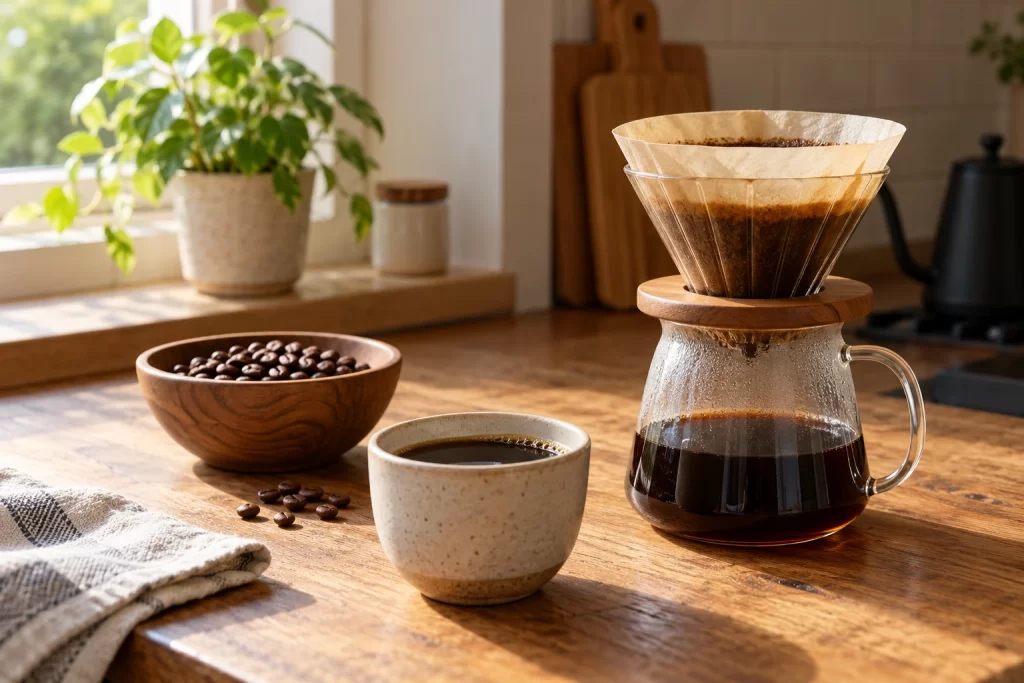
Coffee can still fit into a healthy routine. In fact, if coffee is part of your ritual, enjoy it. Just do not let coffee become your entire hydration strategy. Pair it with water, and avoid pushing caffeine late into the day if it hurts sleep.
If you have been feeling run down lately, hydration can be one of the fastest wins. Better hydration often improves headaches, energy, concentration, digestion, and workout recovery within days. It is simple, but simple works.

4. Move Every Day, but Do Not Grind Yourself Into the Ground
Exercise supports immune health, but the keyword is support. The goal this week is not punishing intensity. The goal is consistent movement that improves circulation, supports mood, helps regulate stress, and keeps your body from getting stuck in an all-day seated slump. Moderate movement can help immune cells circulate more efficiently and can improve sleep quality, which adds another indirect benefit.
If you already train hard, great. Keep going, but pay attention to recovery if you are also stressed, underslept, or feeling like you might be coming down with something. If you are currently inactive, this is not the week to go from zero to extreme. Daily movement beats heroic soreness.
Smart movement options for this week
- Walk 20 to 30 minutes every day. A brisk walk is one of the easiest ways to improve circulation and energy without overdoing it.
- Add two light strength sessions. Bodyweight squats, push-ups against a wall or counter, lunges, glute bridges, and resistance bands are enough to wake the body up.
- Stretch after sitting for long periods. Five minutes of mobility work can reduce stiffness and help you feel more human again.
- Get sunlight when possible. Morning light plus a short walk is a high-value combo for mood, sleep rhythm, and daily energy.
A good weekly target is simple: move most days, finish feeling better than when you started, and do not crush your recovery. That might mean a walk after lunch, a short mobility routine between meetings, or a quick bodyweight circuit at home. It all counts.
One of the most helpful mindset shifts is this: movement is not only about burning calories. It is also about signaling safety and stability to your body. When you move regularly, breathe deeply, and spend less time stiff and stressed, your whole system tends to function better.

5. Lower Your Stress Load and Protect Recovery Time
Stress is not just “mental.” It is physical. When stress stays high for too long, sleep gets worse, cravings increase, recovery drops, and your body stays in a more reactive state. That does not help immune health. You cannot remove all stress from life, but you can reduce unnecessary stress and improve how your body handles it.
This matters because a lot of people try to offset a chaotic routine with food rules or supplements while ignoring the real issue: they are overloaded. If your nervous system never gets a break, your body pays for it somewhere.
Simple stress-lowering habits that actually help
- Breathe slower for five minutes. A simple pattern like inhaling for four counts and exhaling for six counts can calm the body fast.
- Take short screen breaks. Endless input keeps your brain switched on. Step away for a few minutes, stretch, breathe, and reset your eyes.
- Protect one low-stimulation period each evening. Less noise, less news, less frantic multitasking.
- Say no to one unnecessary commitment this week. Recovery is easier when your schedule is not packed to the edges.
- Stay connected to real people. Supportive conversations, even short ones, help regulate stress better than scrolling ever will.
You do not need a perfect meditation practice to lower stress. You need a few moments each day when your body is not being pushed, pinged, or overloaded. That might be a quiet tea break, a slow walk, ten minutes of journaling, prayer, breathwork, or simply sitting without input.
If your week is intense, build smaller recovery pockets instead of waiting for a full day off that never comes. Two minutes here, ten minutes there, a calmer bedtime, a slower lunch, one walk outside. These tiny decisions add up faster than people think.

A Simple 7-Day Immune Support Plan
If you want structure, use this for the next seven days:
- Day 1: Set your sleep schedule and buy water, fruit, yogurt, eggs, vegetables, and one solid protein source.
- Day 2: Eat protein at every meal and take a 20-minute walk.
- Day 3: Replace one sugary drink with water or herbal tea and get to bed on time.
- Day 4: Add a big vegetable serving at lunch and do a light strength session.
- Day 5: Limit late caffeine and take two short screen breaks during the day.
- Day 6: Cook one simple, nutrient-dense meal at home and go for a longer walk outside.
- Day 7: Review what helped most and keep the two easiest habits for next week.
This plan is deliberately simple. Complexity is usually what kills consistency. The goal is to make supportive habits feel normal, not impressive.
Common Mistakes That Quietly Undercut Immune Support
Sometimes the problem is not that you are doing nothing. It is that a few small habits are canceling out your better choices. One common mistake is chasing an all-or-nothing routine. People go hard for two days, try to overhaul their diet, start intense workouts, stay up late finishing work, and then crash. That is not a recovery plan. That is more stress with better branding.
Another common issue is relying on supplements while ignoring the basics. Supplements can have a place, especially when recommended for a specific deficiency, but they do not compensate for poor sleep, dehydration, low protein intake, or nonstop stress. Your body needs foundations first.
- Skipping meals and then overeating at night: This often leads to lower energy, worse food choices, and disrupted sleep.
- Using weekends to “catch up” on everything: Massive sleep-ins, late nights, and heavy meals can leave Monday feeling worse instead of better.
- Training too hard while already exhausted: Hard exercise has a cost. When recovery is poor, more intensity is not always better.
- Ignoring early signs of burnout: Irritability, low motivation, restless sleep, headaches, and constant fatigue are signals worth respecting.
- Expecting one food or drink to fix everything: Immune support comes from patterns, not miracle ingredients.
If you want this week to work, keep your plan boring in the best way. Go to bed earlier. Eat real meals. Drink enough water. Walk every day. Lower the noise. Those habits may not look dramatic online, but they work far better in real life than extreme routines people cannot sustain.
Make Your Environment Support the Plan
Habits get much easier when your environment helps you. Put a water bottle on your desk. Keep fruit visible instead of hidden in the fridge drawer. Prep one or two easy protein options ahead of time. Charge your phone away from bed if scrolling is killing sleep. Put walking shoes where you can see them. These tiny environment changes reduce friction, and lower friction means better follow-through.
This is especially useful on busy weeks because discipline is unreliable when you are tired. Good setup beats good intentions. If the healthy option is easy, you will choose it more often without needing a motivational speech from yourself every afternoon.
Quick Grocery List for the Week
If you want to make this plan easy, shop with intention. Pick two fruits, three vegetables, one leafy green, one protein for lunch, one protein for dinner, yogurt or curd, oats, nuts or seeds, and a few hydration options such as herbal tea, lemons, or coconut water. You do not need a perfect shopping cart. You need enough good food in the house that your next meal is easy to build.
A basic list might include eggs, yogurt, spinach, carrots, cucumbers, berries, oranges, oats, rice, lentils, chicken or tofu, olive oil, nuts, and ginger. That is enough to create several simple meals that support recovery without overcomplicating your week.

FAQ: Natural Immune Support This Week
Can you really improve immune health in just one week?
You are not rebuilding your entire immune system in seven days, but you can absolutely improve the conditions that support it. Better sleep, better hydration, higher-quality meals, and lower stress can all help your body function better within days. Think early improvement, not instant perfection.
What is the single best food for immunity?
There is no single best food. The better question is whether your overall diet gives you enough variety, protein, fiber, vitamins, and minerals. Fruit, vegetables, legumes, yogurt, eggs, fish, nuts, seeds, and whole grains all deserve a place because they work together better than any one “superfood.”
Does coffee weaken the immune system?
Not automatically. Moderate coffee intake can fit into a healthy routine for many people. The bigger issue is whether caffeine is replacing water, driving anxiety higher, or ruining sleep. If coffee helps your day and does not disturb sleep, it can stay. Just keep it balanced and avoid leaning on it as a substitute for recovery.
Is it better to rest or exercise when you feel run down?
That depends on how you feel. If you are simply tired from work, a light walk or easy movement can help. If you have fever, chest symptoms, body aches, or clear signs of illness, rest is usually the smarter choice and medical advice may be appropriate. The goal is to support recovery, not force activity for the sake of discipline.
One final note: do not underestimate consistency. A routine that is 80 percent solid for seven days beats a “perfect” plan you abandon after two. Immune support is built through repetition. The less dramatic your habits are, the easier they are to keep, and that is exactly what makes them effective.
Related reading: These habits also pair well with How Much Water Should You Drink a Day? and Why Am I Always Tired?.
References and Further Reading
- CDC: About Sleep
- CDC: About Water and Healthier Drinks
- CDC: Adult Activity Guidelines
- NHS: The Eatwell Guide
- NHS: Get Help With Stress
When to Get Extra Support
Natural habits can help support a healthy immune system, but they are not a replacement for medical care. If you feel persistently unwell, have repeated infections, severe fatigue, unexplained weight loss, high fever, breathing problems, or any symptoms that worry you, speak with a doctor. The smartest health plan is one that respects both daily habits and professional care.
If you have a medical condition, are pregnant, are immunocompromised, or take regular medication, it is also worth checking with a qualified professional before making major diet or supplement changes.
Final Takeaway
If you want to support your immune system naturally this week, start with the basics and do them well. Sleep more consistently. Eat better quality food. Hydrate before you feel depleted. Move every day without overtraining. Lower your stress load enough for your body to recover.
No single habit is magic, but together they create the environment your body needs to work well. That is the real secret: not chasing a miracle, but making a handful of useful choices every day. Start this week, keep it simple, and let consistency do the heavy lifting.
Purpleflow publishes informational content, not personal medical advice. See our wellness disclaimer and editorial policy.