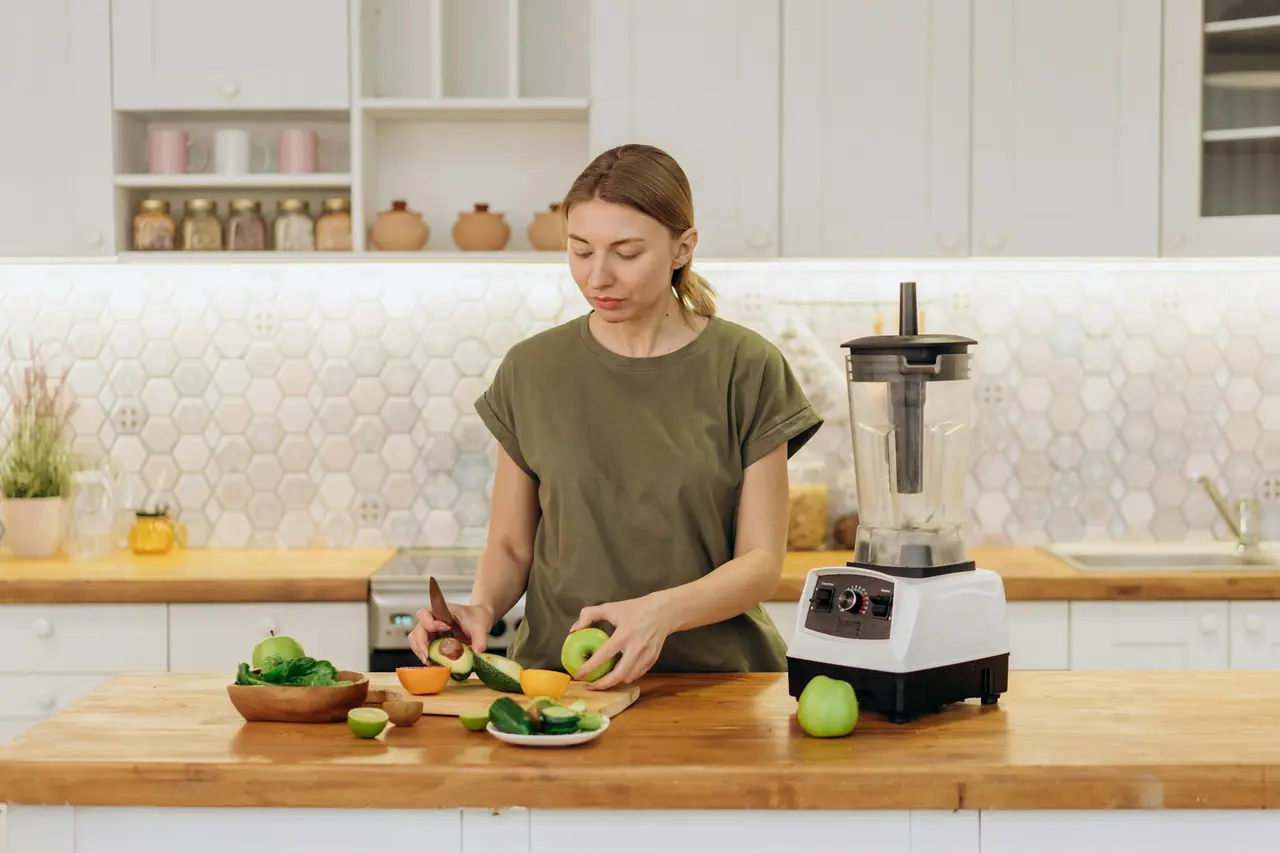
If you want to eat better, it is tempting to think you need a kitchen full of expensive equipment. Social media makes healthy cooking look like a shopping list: air fryer, slow juicer, premium blender, digital smart scale, vacuum sealer, fancy storage system, and half a dozen tools you have barely seen used twice. That is how people spend money without actually making healthy eating easier.
The better question is much simpler: which kitchen gadgets for healthy eating on a budget are actually worth buying? That is what most people are really asking. They do not want more clutter. They want tools that help them cook more often, prep meals faster, waste less food, and make healthier choices easier on busy days.
This guide focuses on exactly that. You will not get a giant wishlist full of trendy purchases. You will get the tools that give the biggest return for normal people with normal budgets. Some are technically “gadgets.” Some are just boring essentials. All of them matter more than flashy tools that take up space and solve problems you do not actually have.
What Makes a Kitchen Gadget Worth Buying?
A useful kitchen tool earns its place in three ways. First, it gets used often. Second, it reduces friction in everyday cooking. Third, it helps you eat better without quietly increasing cost, cleanup, or complexity. If a gadget is hard to clean, hard to store, rarely used, or only useful for one hyper-specific task, it is usually not a budget-friendly choice, no matter how attractive the packaging looks.
This matters because healthy eating is less about motivation and more about convenience. If chopping vegetables feels easier, if breakfast takes five minutes instead of fifteen, or if leftovers stay fresh long enough to become tomorrow’s lunch, you are more likely to keep eating well. Good tools support behavior. That is why the right kitchen setup matters.
1. A Good Knife and Cutting Board Matter More Than Almost Any Gadget
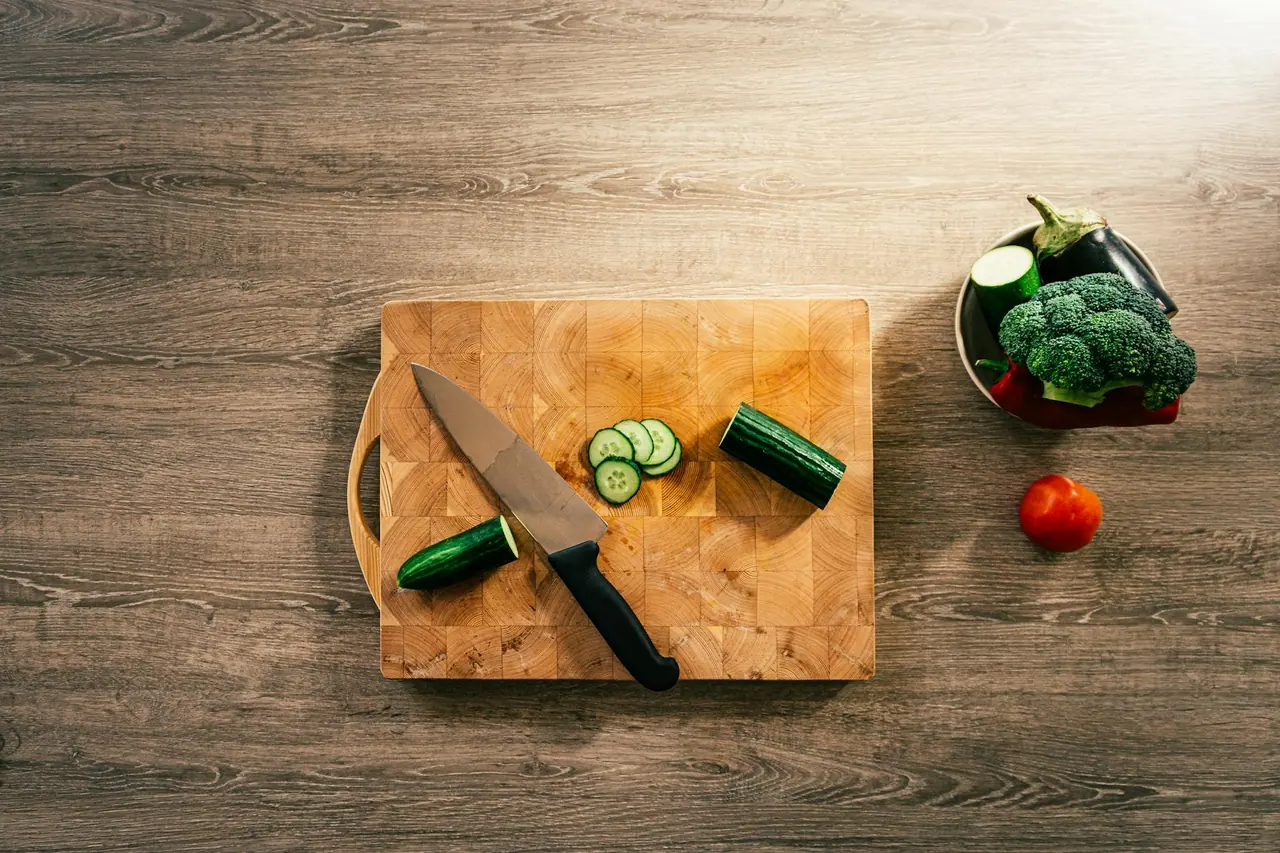
If there is one “must-have” for healthier eating, it is not a trendy device. It is a sharp, comfortable knife and a stable cutting board. That combination makes healthy prep dramatically easier. You are more likely to chop vegetables, slice fruit, trim protein, and prep ingredients ahead of time when the tools work well and do not annoy you.
A dull knife slows everything down and makes home cooking feel like a chore. A wobbly cutting board makes prep messy and frustrating. Fix those two things and suddenly salads, stir-fries, sheet-pan meals, soups, and snack prep all become easier to start.
You do not need an expensive chef’s knife. You need one decent knife that feels good in your hand and stays sharp enough to use safely. For many kitchens, that beats owning six cheap blades that all feel bad.
2. A Blender Is One of the Most Useful Budget-Friendly Healthy Eating Tools
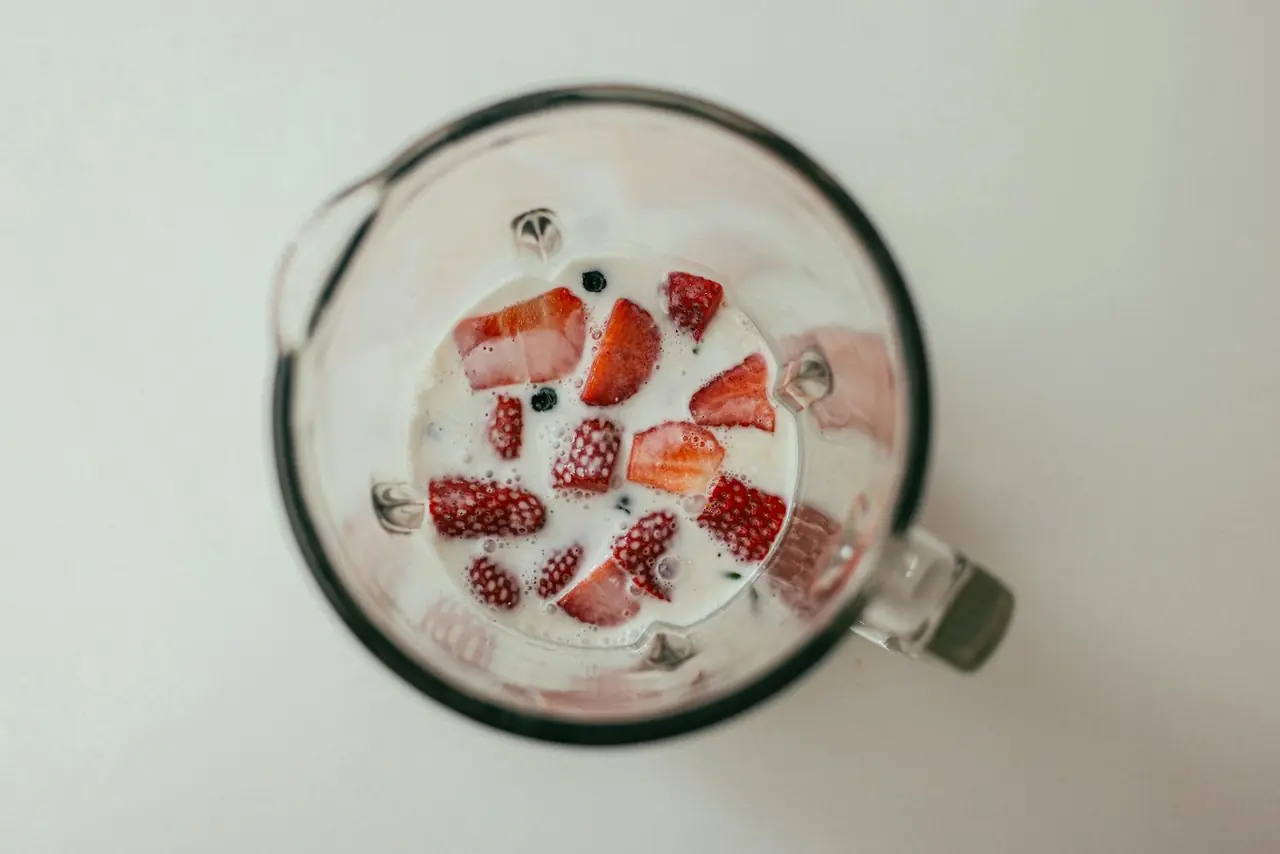
A blender earns its place quickly if you actually use it. It helps with smoothies, protein shakes, soups, sauces, dressings, pancake batter, blended oats, and quick meal add-ons when time is tight. That makes it one of the most versatile tools for people trying to eat better without spending a fortune on takeout or processed convenience food.
The key is not to overspend. You do not need the most powerful premium blender on the market if your real use case is simple smoothies, soups, and sauces a few times a week. A reliable mid-range blender usually does the job well enough. What matters is that it blends consistently and is easy enough to clean that you keep using it.
A blender is especially useful for healthy eating because it removes the “I have nothing ready” problem. Frozen fruit, yogurt, oats, protein powder, greens, nut butter, or leftover cooked vegetables can turn into fast meals and snacks with very little effort.
3. Storage Containers Make Meal Prep and Leftovers Work
One of the biggest reasons healthy eating falls apart is that food is prepared badly for real life. People cook once, store it poorly, forget about it, and end up wasting both the food and the effort. Good storage containers fix a lot of that.
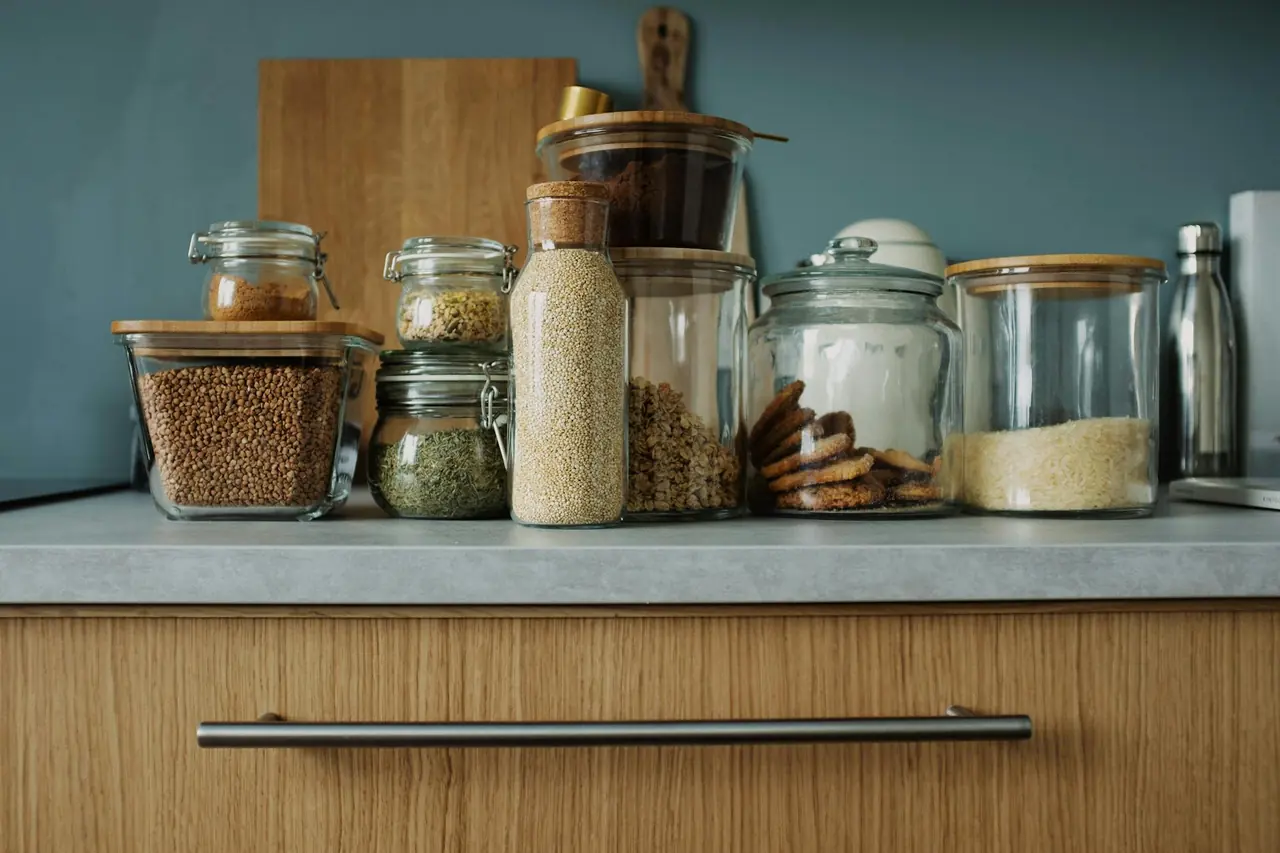
Clear containers help you see what you already have. Stackable containers save fridge space. Containers that seal well make it easier to portion lunches, store chopped produce, save cooked grains, and keep leftovers from becoming forgotten science projects.
If you want to eat better on a budget, food waste matters. Throwing away produce and cooked meals is one of the fastest ways to waste money. Containers may not feel exciting, but they are one of the most practical tools in the whole kitchen.
4. A Kitchen Scale Can Be Useful, but Only for the Right Person
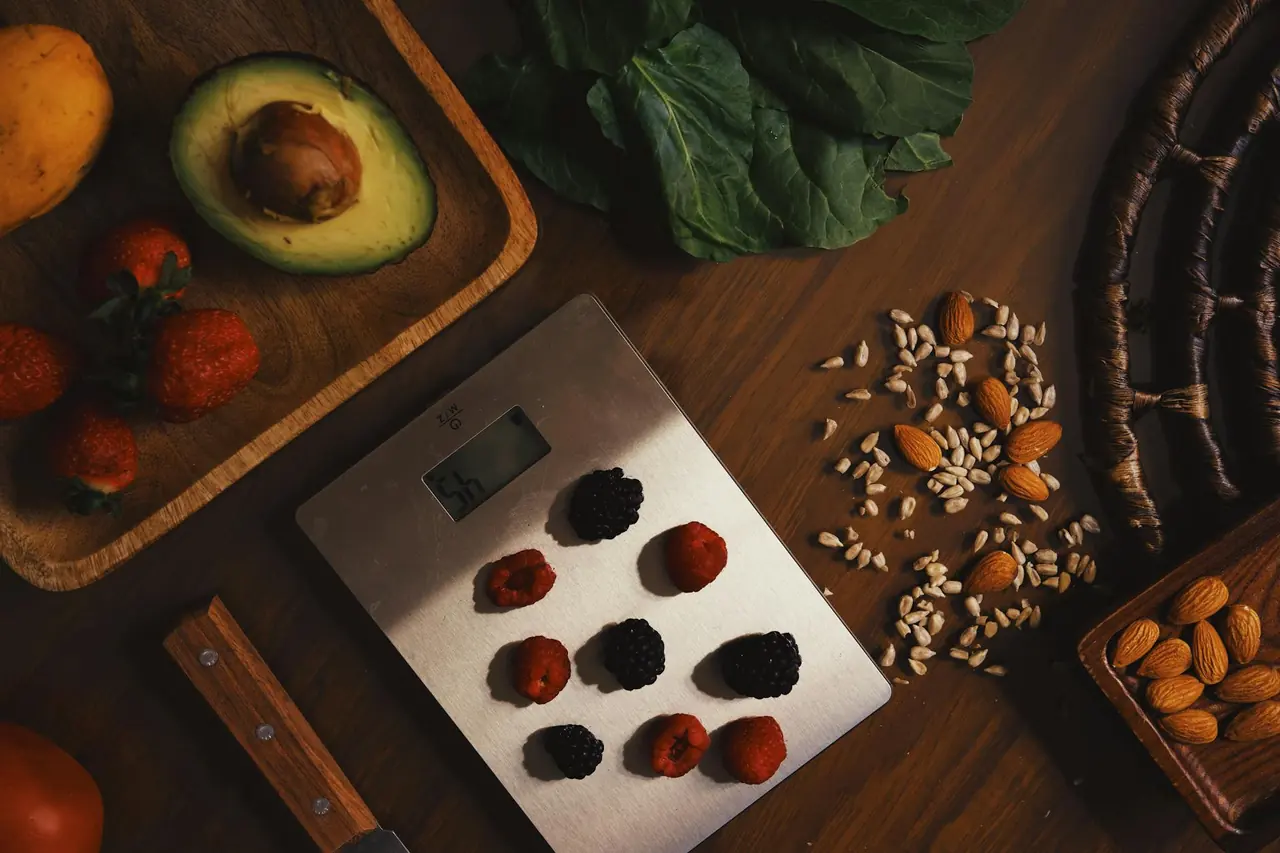
A kitchen scale is not essential for everyone, but it can be surprisingly helpful if you cook often, follow recipes, or want to get more accurate with portions and ingredients. It is especially useful for oats, rice, flour, nuts, protein powders, and batch cooking. It can also help when you are trying to understand how much you are really using instead of guessing wildly.
The important thing is context. A scale should support clarity, not turn every meal into homework. If weighing food feels stressful or excessive, you probably do not need to use it daily. But as a low-cost kitchen tool, it can be genuinely useful for recipes and consistency.
For healthier eating on a budget, a scale can also help with portioning expensive ingredients more sensibly. That matters more than people realize when food prices are high and waste adds up quickly.
5. One Reliable Pan or Sheet Pan Beats a Drawer of Random Tools
People often underestimate how much one dependable pan can do. A good nonstick skillet, cast-iron pan, or sturdy sheet pan can carry a huge amount of your healthy eating routine. Eggs, sautéed vegetables, one-pan dinners, roasted potatoes, chicken, tofu, salmon, and sheet-pan meals all become easier when you are not fighting poor cookware.
From a budget angle, this matters because it reduces the need for more tools. If one pan helps you cook fast meals that taste good and clean up easily, that tool is doing real work for your health habits.
6. Measuring Spoons and Cups Are Cheap but Useful
These are not exciting, but they help. Measuring tools are useful for dressings, oats, rice, baking, sauces, and calorie-dense ingredients like oils, nut butters, and seeds. If recipes are always inconsistent or you keep accidentally overusing ingredients, these small tools are worth the drawer space.
This is a good example of a low-cost upgrade that supports better cooking without pretending to transform your life. Small tools are fine when they solve recurring problems cheaply.
What You Probably Do Not Need Right Away
Budget-friendly healthy eating is often about what you skip. Many gadgets look helpful but become clutter fast. That includes single-use tools, oversized appliances you do not really have space for, and devices that only save time if you are already cooking constantly.
Tools worth delaying until you know you need them:
- Specialty choppers for one food type
- Complicated juicers if you rarely use them
- Premium machines with features you will ignore
- Storage systems so elaborate they make cleanup harder
- Duplicate versions of tools you already own
The smartest budget kitchen is not the one with the most gear. It is the one where the essentials work well.
How to Build a Budget-Friendly Healthy Kitchen in the Right Order
If you are starting from scratch or upgrading slowly, build in this order:
- Knife + cutting board
- Reliable pan or sheet pan
- Storage containers
- Blender
- Kitchen scale or measuring tools
This order makes sense because it prioritizes the tools that help with everyday food prep first. Once prep, cooking, and storage are easier, healthy eating stops feeling like a constant uphill push.
Why the Right Tools Help You Eat Better
Healthy eating is not only about nutrition knowledge. Most people already know they should eat more vegetables, drink more water, and cook more meals at home. The hard part is execution. That is where tools matter. A better kitchen setup shortens the distance between intention and action.
When your knife works, chopping is faster. When containers are ready, leftovers become tomorrow’s lunch. When the blender is reliable, breakfast becomes easier. When the scale or measuring tools are available, recipes go more smoothly. That is why practical tools beat motivational content almost every time.
How to Avoid Wasting Money on Kitchen Gear
Before buying anything, ask three questions:
- Will I use this at least once or twice a week?
- Does it solve a real recurring problem in my kitchen?
- Will it make cooking easier, not more complicated?
If the answer is no, skip it for now. Healthy eating on a budget gets easier when you stop buying fantasy versions of yourself and start buying tools for the person you actually are. That is the real savings move.
Final Takeaway
The best kitchen gadgets for healthy eating on a budget are usually not the most glamorous ones. They are the tools that help you prep, cook, store, and repeat healthy meals with less friction. A good knife, decent pan, useful containers, a practical blender, and simple measuring tools will do more for everyday healthy eating than a kitchen full of trendy clutter.
Start with the tools that make healthy choices easier this week. If a gadget does not support that goal clearly, it can wait.
Related reading: If you want to turn better tools into easier weekday habits, read Cheap Healthy Meal Prep for Beginners and High-Protein Breakfast Ideas for Busy Mornings.
References and Further Reading
Purpleflow publishes informational content, not personal medical advice. See our wellness disclaimer and editorial policy.