If you are looking for a full body workout at home for beginners, you probably do not need a more complicated plan. You need one you can actually follow next week too.
That is where a simple 3-day setup works well. It gives you enough training to build strength and confidence without asking you to work out every day or memorize twenty exercises.
A good beginner routine should do three things:
- train the whole body
- feel manageable in a normal week
- leave enough energy to come back and do it again
This plan is built around those basics.
Why full-body workouts make sense for beginners
Full-body training is one of the smartest places to start because it lets you practice the key movement patterns several times per week without splitting everything into complicated muscle groups.
Instead of having a chest day, leg day, arm day, and then losing the thread by Thursday, beginners usually do better with something simpler:
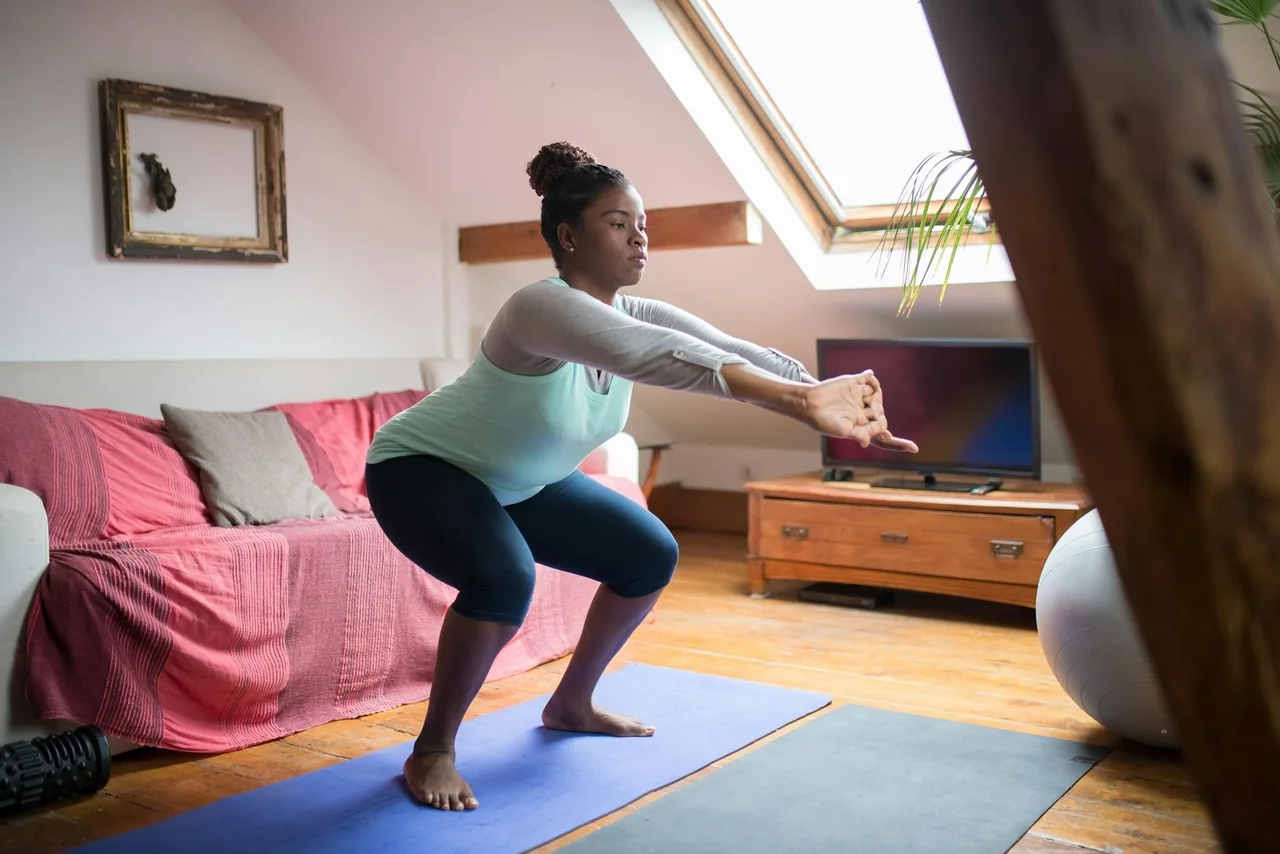
- squat or lunge
- hinge
- push
- pull
- core stability
That covers the big basics while keeping the routine efficient.
What you need at home
You can start with very little.
Helpful options include:
- a small clear floor space
- a sturdy chair or bench
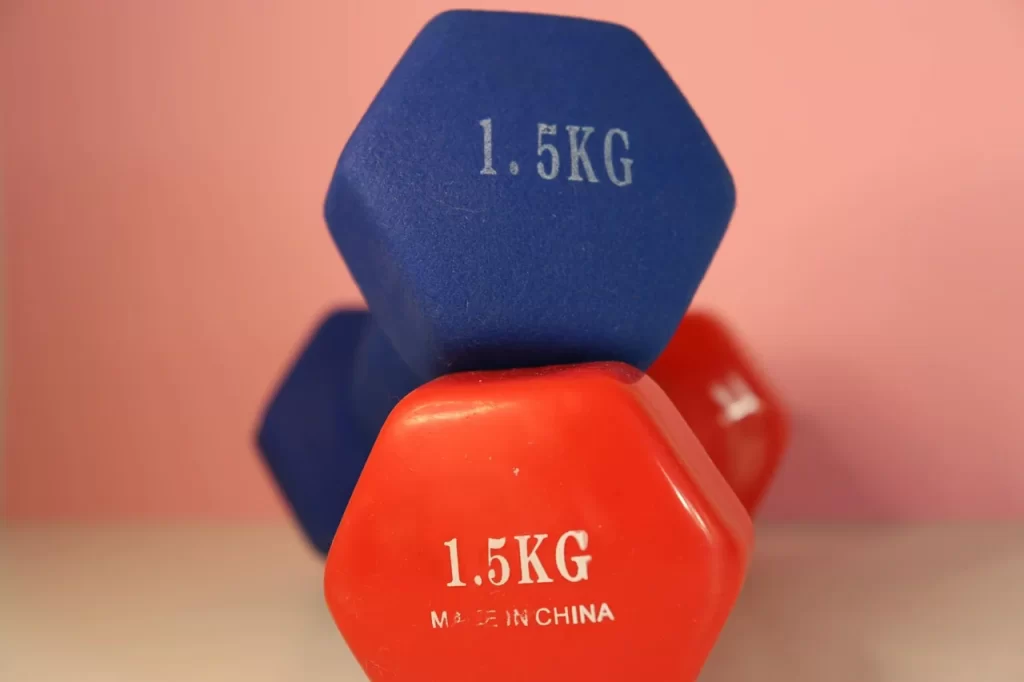
- a resistance band, light dumbbells, or a loaded backpack
- a mat if you like floor work
If you do not have equipment yet, that is fine. Use bodyweight where you can and household items where needed.
How the 3-day weekly plan works
A practical beginner schedule looks like this:
- Monday: Workout A
- Wednesday: Workout B
- Friday: Workout C
On the other days, keep things light:
- walking
- easy stretching
- mobility work
- normal life
You do not need to turn every non-gym day into secret cardio punishment.
Warm up first, even at home
Spend 4 to 5 minutes getting your body ready.
Try this:
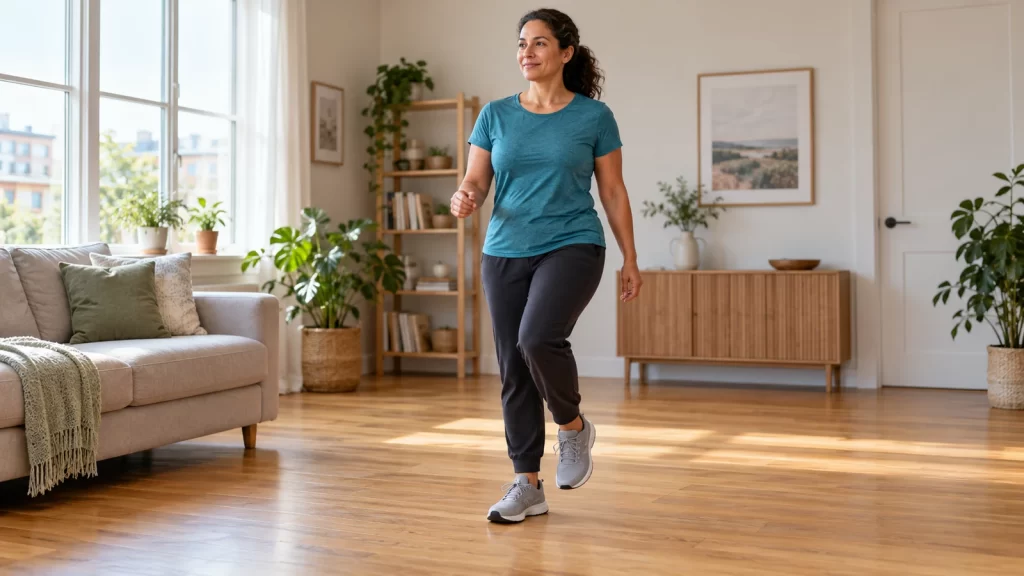
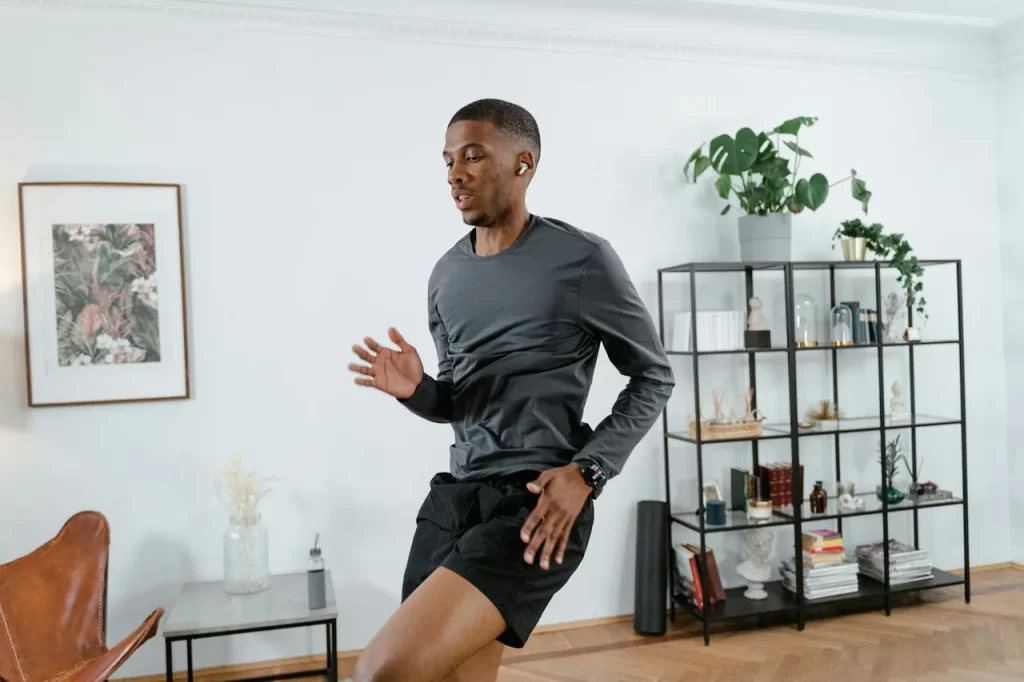
- 1 minute marching in place
- 8 bodyweight squats
- 8 wall or bench push-ups
- 8 hip hinges
- 20 seconds arm circles each direction
- 20 seconds gentle torso twists
That is enough to wake things up without dragging the workout out.
Workout A
1. Squat to chair or bodyweight squat
- 2 to 3 sets
- 8 to 12 reps
Sit back with control and stand up strong. Use the chair as a depth guide if needed.
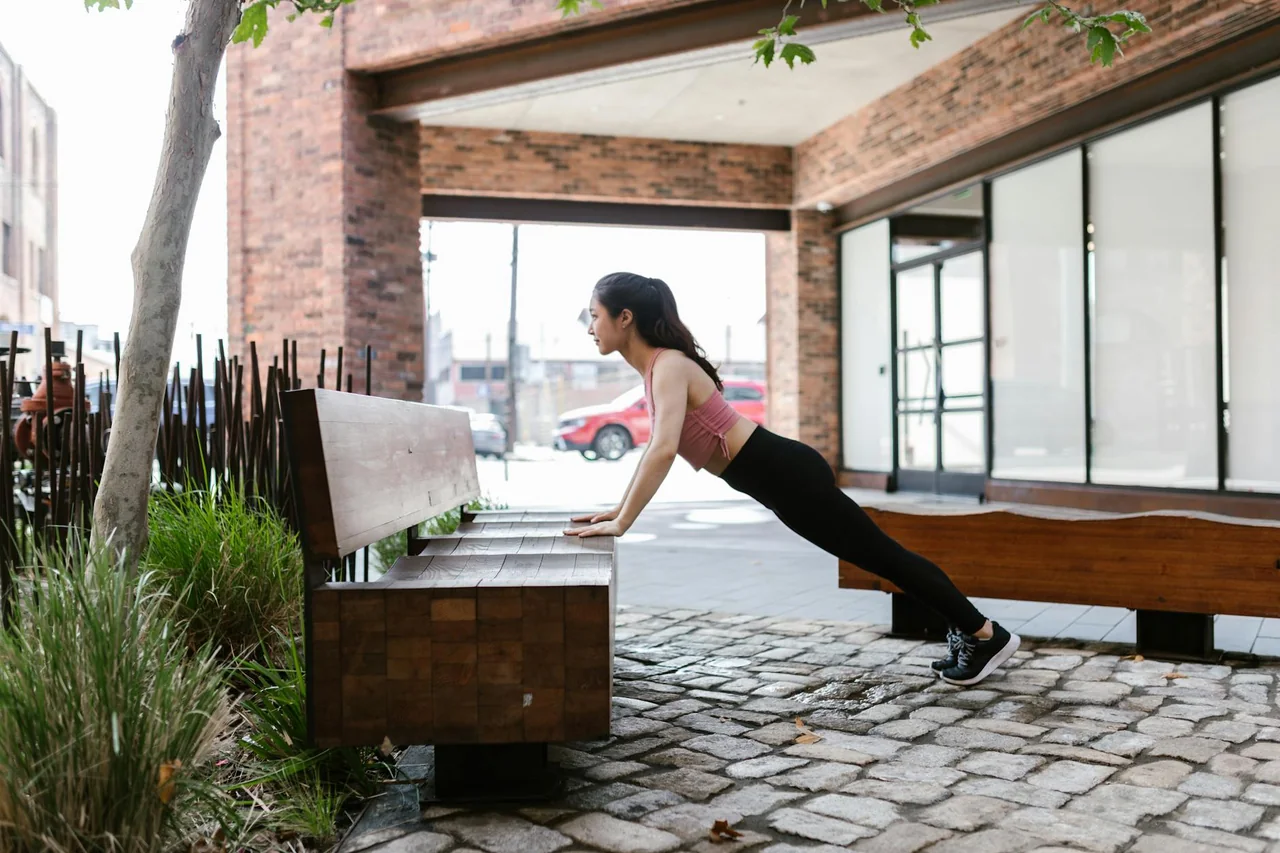
2. Incline push-up
- 2 to 3 sets
- 6 to 10 reps
Use a bench, countertop, or sturdy table edge. The incline makes the movement more manageable while still training the chest, shoulders, and triceps.
3. Glute bridge
- 2 to 3 sets
- 10 to 15 reps
Pause for a second at the top instead of rushing the reps.
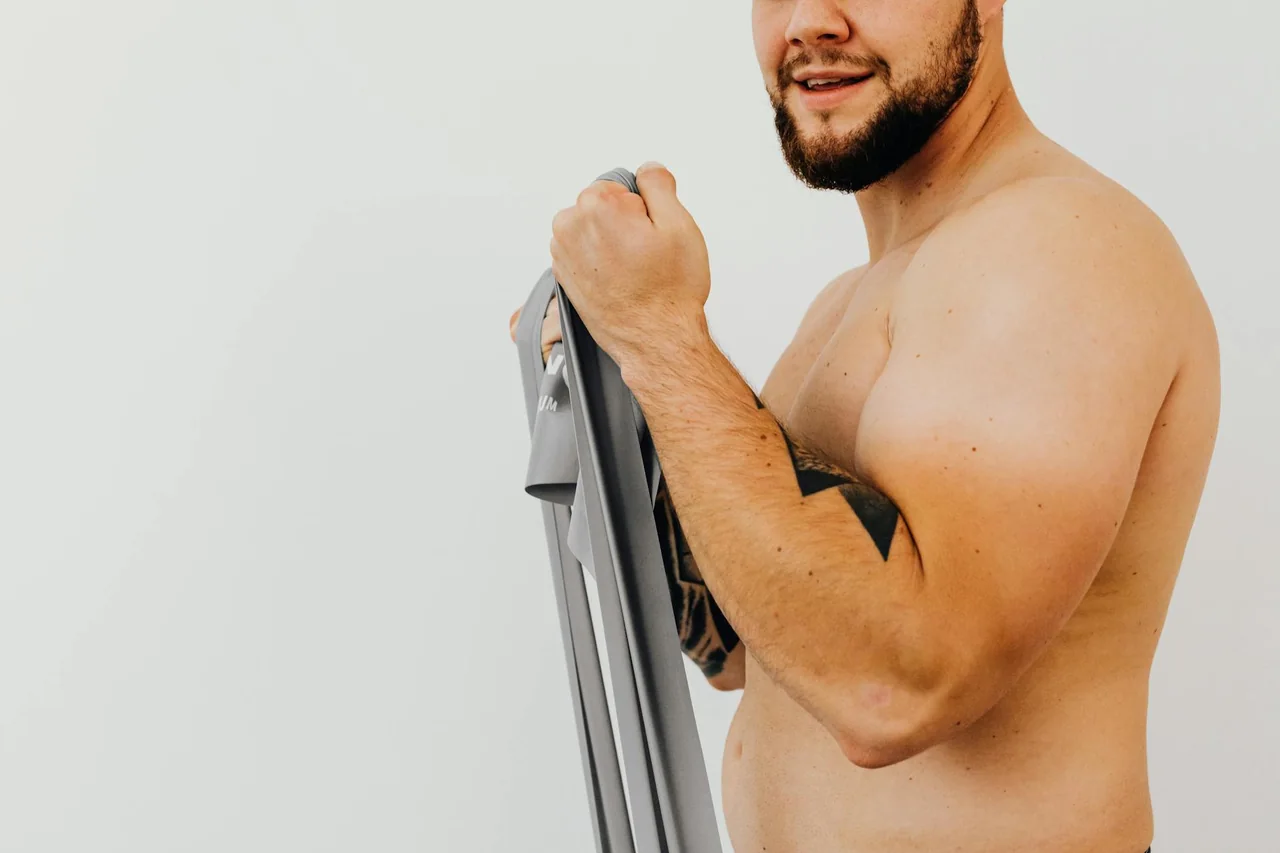
4. One-arm row with band, dumbbell, or backpack
- 2 to 3 sets
- 8 to 12 reps each side
This gives you the pulling work many beginner plans skip.
5. Dead bug
- 2 sets
- 6 to 10 controlled reps each side
Keep the core braced and move slowly.
Workout B
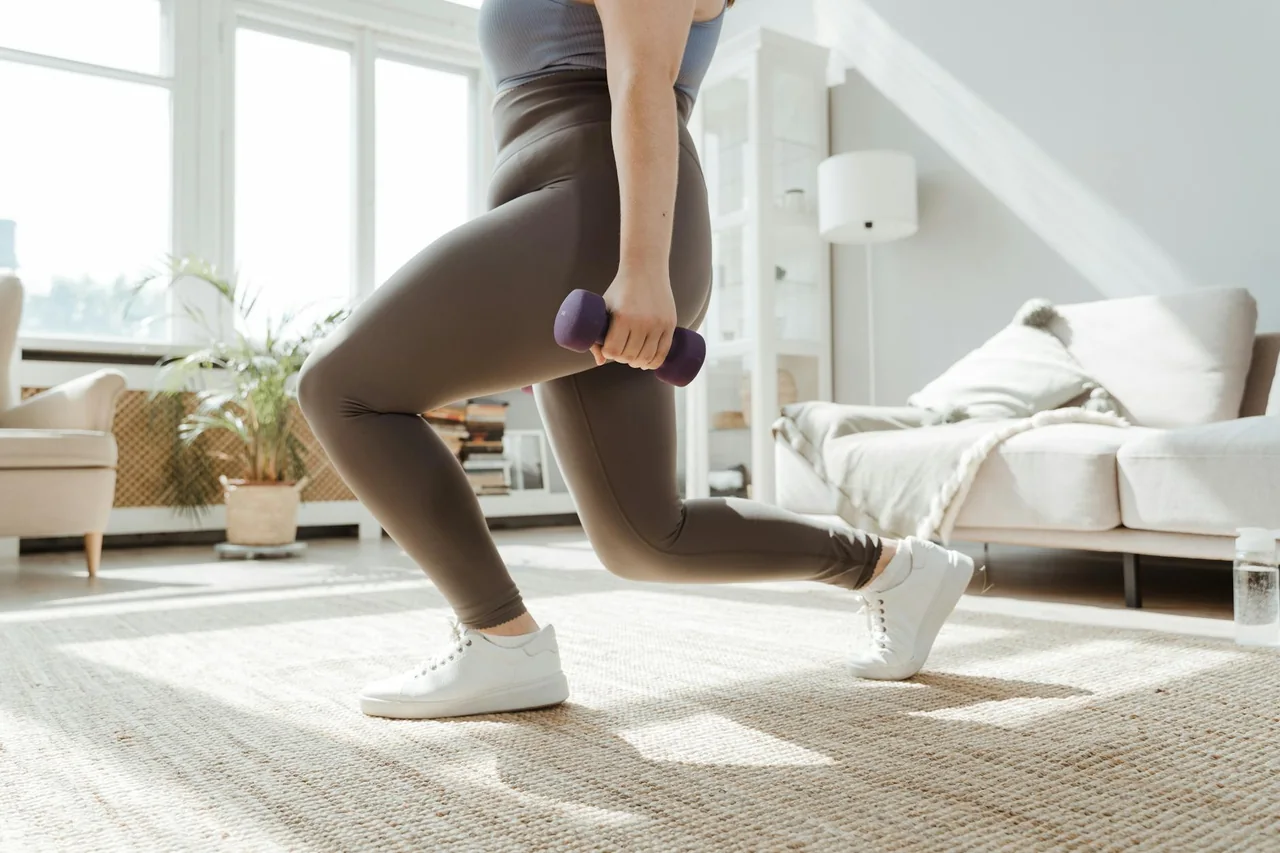
1. Reverse lunge or split squat
- 2 to 3 sets
- 6 to 10 reps each side
Hold onto a chair if balance feels shaky at first.
2. Hip hinge with dumbbells or loaded backpack
- 2 to 3 sets
- 8 to 12 reps
Think about pushing the hips back rather than rounding the spine.
3. Standing overhead press or seated shoulder press
- 2 to 3 sets
- 8 to 10 reps
If you have no weights, swap this for a pike push-up variation or another incline push-up set.
4. Resistance band row or band pull-apart
- 2 to 3 sets
- 10 to 15 reps
Pulling volume helps keep the upper body more balanced.
5. Side plank
- 2 rounds
- 15 to 30 seconds each side
Bend the knees if a full side plank feels too advanced.
Workout C
1. Step-up or goblet squat
- 2 to 3 sets
- 8 to 12 reps each side for step-ups, or 8 to 12 total for goblet squats
Pick the option that feels safer and easier to set up at home.
2. Push-up variation
- 2 to 3 sets
- 6 to 10 reps
Stay with an incline if floor push-ups are not there yet. Progression matters more than ego here.
3. Romanian deadlift, hip hinge, or glute bridge
- 2 to 3 sets
- 8 to 12 reps
Repeat the hinge pattern because beginners benefit from practicing it often.
4. Bent-over row
- 2 to 3 sets
- 8 to 12 reps
Use the same backpack or dumbbells from earlier in the week.
5. Bird dog or front plank
- 2 rounds
- 6 to 8 slow reps each side, or 20 to 30 seconds for a plank
Focus on control, not speed.
How hard should each workout feel?
Challenging, but not chaotic.
A good beginner target is to finish most sets feeling like you could still do 1 to 3 more reps with solid form.
That means:
- not so easy that nothing is happening
- not so hard that every set turns ugly
- not training to failure just because social media says it counts more
How to progress over the first month
This is where many beginners either stall or overdo it.
Keep progression boring and obvious.
Week 1
- do 2 sets per exercise
- learn the movements
- stop before form gets sloppy
Week 2
- keep the same exercises
- add 1 or 2 reps where possible
Week 3
- move some exercises to 3 sets
- keep rest periods steady
Week 4
- use a slightly harder variation or a little more load
- or repeat week 3 if you still need more practice
Progress can come from:
- more reps
- an extra set
- a harder variation
- better control
- a little more weight
You do not need all of those at once.
How long should these workouts take?
Usually 25 to 40 minutes.
That is another reason this style works well. The workouts are long enough to matter and short enough to fit into normal life.
Rest around 45 to 90 seconds between sets, depending on the exercise and how winded you feel.
What to do on non-workout days
Rest days do not have to mean doing nothing.
Good options include:
- a 20 to 30 minute walk
- light mobility work
- easy stretching
- chores, errands, and normal movement
If you enjoy walking, that can pair nicely with a basic strength plan without making the week feel overwhelming.
Common beginner mistakes with home workouts
Changing the routine every few days
Repetition is how beginners improve. Keep the plan long enough to learn it.
Using exercises that are too advanced too soon
A solid incline push-up beats a messy floor push-up every time.
Skipping pulling exercises
Many home routines become squat-and-push-up marathons. Rows matter too.
Treating every session like a test
The goal is to build capacity, not prove toughness three times a week.
Ignoring basic fuel and recovery
If you train hungry, sleep badly, and never take easier days, the plan will feel harder than it needs to.
The bottom line
A full body workout at home for beginners does not need to be flashy. It needs to be clear, balanced, and easy to repeat.
Three days per week is enough to build real momentum when the plan includes the basics:
- a squat or lunge
- a hinge
- a push
- a pull
- some core stability
Start small, use manageable exercise variations, and focus on showing up consistently. That is what turns a home workout plan into actual progress.
Sources
- Adult Activity: An Overview – CDC
- Adding Physical Activity as an Adult – CDC
- Strength exercises – NHS
Related reading: If you want to make the plan easier to stick with, see How to Start Strength Training at Home: A Beginner Weekly Plan and How to Stretch After a Workout: Best Recovery Stretches and Techniques.
Purpleflow publishes informational content, not personal medical advice. See our wellness disclaimer and editorial policy.