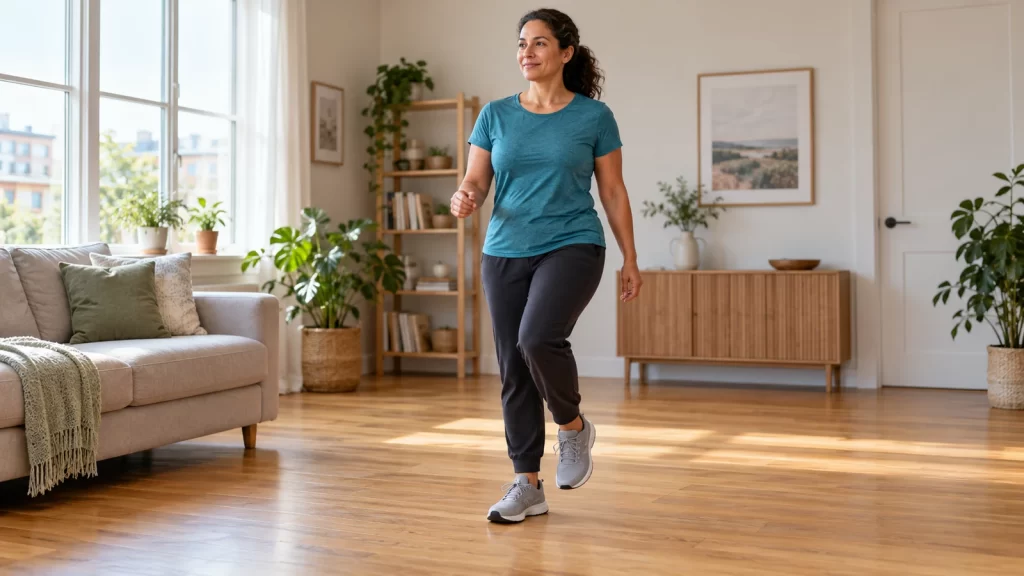
Walking is underrated because it looks almost too simple to count. But simple is exactly why it works. A walk does not leave you wrecked, require a gym membership, or depend on motivation being sky high. That makes it one of the easiest habits to repeat for months, which matters more than one perfect workout.
If you are wondering whether walking every day is enough to lose weight, the honest answer is yes for some people, but not by itself for everyone. Walking can absolutely help with weight loss, especially if you are starting from a low activity baseline. But the result depends on how briskly you walk, how much you do across the week, and whether the rest of your routine supports the goal.
Short answer: yes, but is it enough? depends on 4 things
Walking every day is more likely to help with weight loss when these four things line up:
-
Your starting point
If you currently move very little, adding a daily walk can make a meaningful difference quickly. -
Your pace
A brisk walk burns more than a slow wander and usually feels more like real exercise. -
Your weekly total
One short walk is good. Repeating it consistently across the week is what changes outcomes. -
Your eating pattern
Walking helps burn calories, but it cannot fully cancel out constant overeating, liquid calories, or endless evening snacking.
The CDC also notes that healthy weight loss usually happens at a gradual, steady pace, not in one dramatic week.
Why walking works so well
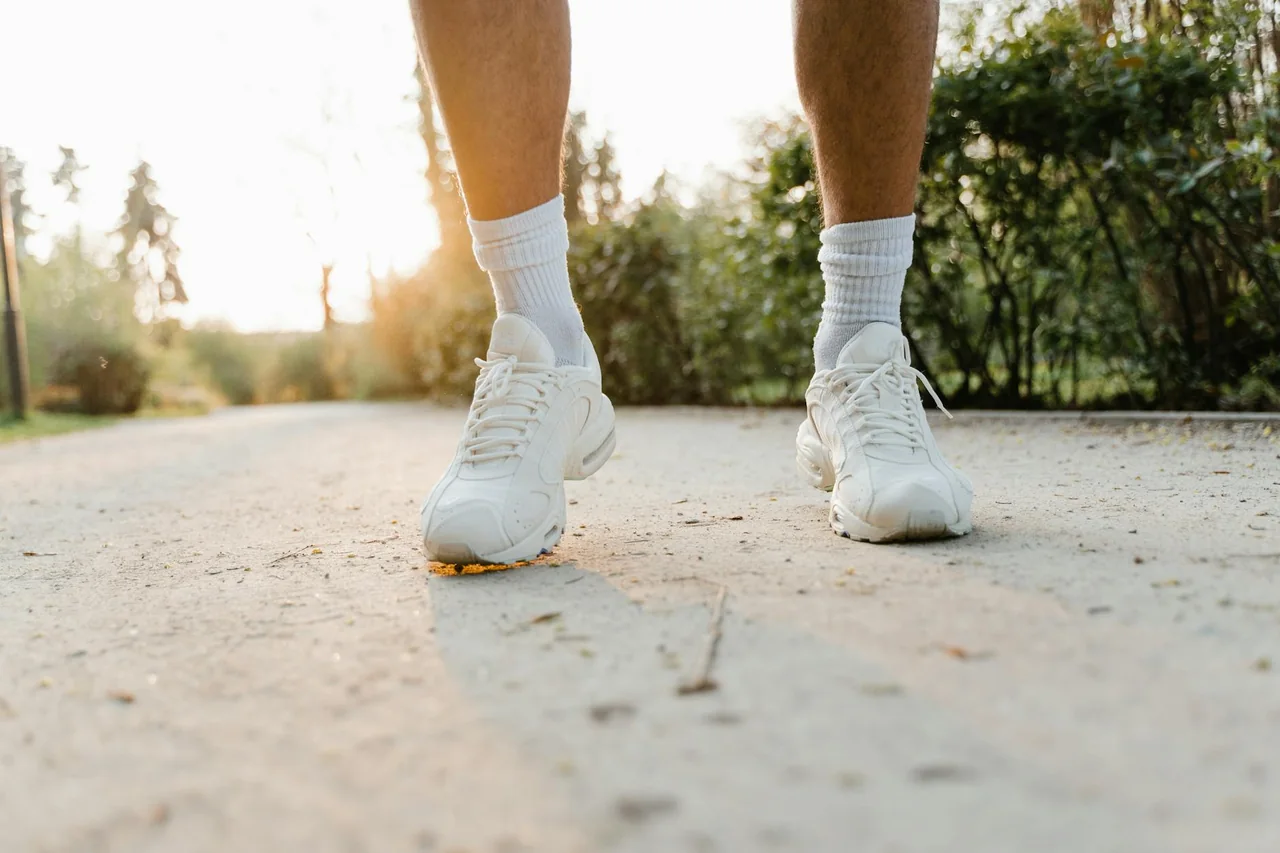
It is easy enough to repeat
The best exercise plan is the one you can keep doing. Walking wins here. It is free, familiar, and does not require perfect energy or perfect timing.
It still counts as real exercise
CDC guidance says adults need at least 150 minutes of moderate-intensity physical activity a week, plus 2 days of muscle-strengthening work. Brisk walking counts toward that target.
It supports more than the scale
Regular walking can help with:
- heart health
- sleep quality
- mood and stress
- daily energy
- getting you out of the cycle of sitting all day
That matters because better sleep and lower stress often make weight-related habits easier to stick with too.
Brisk walking matters more than casual strolling
According to the NHS, brisk walking is roughly the pace where you can still talk but cannot sing. That is a useful real-life test. If your walk feels more like a slow browse, it is still better than nothing, but it may not move the needle as much.
How walking helps with weight loss
1. It increases your daily calorie burn
This is the obvious part. More movement means more energy used.
2. It reduces all-or-nothing thinking
Many people quit exercise because their plan is too intense. Walking is different. You can do 10 minutes, 20 minutes, or 40 minutes and still count it as a win.
3. It helps you sit less
Even if your walk is the only formal exercise you do, it can still break up long sedentary days. That is useful if most of your time is spent at a desk, in the car, or on the sofa.
4. It pairs well with small nutrition changes
Walking is often enough to get momentum going. People who start moving regularly sometimes find it easier to drink more water, snack less randomly, and choose better meals because they already feel more on track.
What walking alone usually cannot do
Walking is great. It just is not magic.
Walking on its own usually cannot:
- build much muscle compared with strength training
- fully offset a large calorie surplus
- guarantee fast weight loss every week
That is why the most realistic setup is:
- daily or near-daily walking
- a few smart food changes
- 2 short strength sessions a week if you can manage them
That combination is still simple, but much more effective than relying on steps alone.
How many steps a day do you really need?

There is no universal magic number.
For some people, 6,000 steps is a big improvement. For others, 10,000 is normal and they need more pace, hills, or longer walks to see further change.
A practical way to think about it:
- if you usually get 3,000 to 4,000 steps, try building toward 5,000 to 6,000
- if you usually get 5,000 to 6,000, aim for 7,000 to 8,000
- if you already get 8,000+, keep the steps but add brisker pace, longer duration, or a second short walk
The CDC cites research suggesting health benefits continue as daily steps rise, with risk of premature death leveling off around 8,000 to 10,000 steps per day for adults under 60 and around 6,000 to 8,000 for adults 60 and older. That is helpful context for health, but it is not a rule that says 10,000 steps guarantees weight loss.
For weight loss, the better question is: Are you doing more than you were doing before, and can you keep doing it?
A simple 4-week walking plan
If you want a realistic place to start, try this.
Week 1: Build the habit
- walk 15 to 20 minutes at a brisk pace, 5 days
- track your normal daily steps without trying to be perfect
- focus on consistency, not speed records
Week 2: Add a little more volume
- walk 20 to 25 minutes, 5 days
- add one 5- to 10-minute walk after a meal
- try to average 1,000 extra steps per day above your current baseline
Week 3: Make it more purposeful
- walk 30 minutes, 5 days
- add one longer walk of 40 to 45 minutes on the weekend
- include 2 short strength sessions using bodyweight, resistance bands, or dumbbells
Week 4: Settle into a sustainable rhythm
- walk 30 to 40 minutes, 5 days, or reach 150 to 210 minutes across the week
- make one walk a bit harder with hills or a faster middle section
- keep the 2 strength sessions if recovery feels fine
If 30 minutes at once feels like too much, split it into two 15-minute walks. That still counts.
A few food habits that make walking more likely to work
You do not need a perfect diet. But a few habits make walking more effective:
- include protein in your main meals so you stay fuller
- eat fruit, vegetables, and fiber regularly instead of living on convenience food
- watch liquid calories from soda, sugary coffee drinks, juice, and alcohol
- do not let “I walked today” turn into an excuse to snack mindlessly all evening
This is where many people get stuck. They are walking consistently, but weekend takeaways, office snacks, or oversized coffee drinks quietly cancel out the extra movement.
How to make daily walking stick
A plan only works if it survives real life.
Attach it to something you already do
Good examples:
- after your morning coffee
- after lunch
- after dinner
- while taking a phone call
- as part of the school run or commute
Make the first five minutes easy
Starting is usually the hardest part. Tell yourself you only need to do the first five minutes. Most days, once you are out, you will keep going.
Keep a bad-weather backup
If you cannot walk outside, do laps indoors, use stairs, walk at the mall, or do a short treadmill session. Missing one day is fine. Missing weeks because of small obstacles is what hurts progress.
Track something simple
Pick one:
- daily steps
- minutes walked
- number of walks this week
- average pace on your favorite route
Simple tracking keeps the habit visible without becoming obsessive.
When should you expect results?
You may notice benefits before the scale changes.
In the first couple of weeks, many people notice:
- better mood
- better sleep
- less stiffness
- more daily energy
Weight loss usually moves slower. Some people see changes within a few weeks, especially if they were previously inactive. Others need longer or need to review food habits, step totals, or walking intensity.
If you have been walking consistently for 3 to 4 weeks and nothing is changing, check:
- is the pace actually brisk?
- are you doing enough total minutes each week?
- are weekends wiping out your weekday effort?
- are liquid calories or snacks sneaking in?
- would 2 strength sessions help?
FAQs
Is 30 minutes of walking a day enough to lose weight?
For some people, yes. If the walk is brisk, done consistently, and paired with reasonable eating habits, 30 minutes a day can be enough to help. For others, it may be a strong start but not the whole answer.
Do I need 10,000 steps a day?
No. Ten thousand is a popular round number, not a law of biology. What matters most is improving from your current baseline and staying consistent.
Is walking after meals a good idea?
Yes, for many people it is one of the easiest ways to add movement without overthinking it. Short after-meal walks can help you accumulate more activity across the day.
Is walking or running better for fat loss?
Running burns more calories per minute, but walking is easier to recover from and easier to stick with. For many people, the best option is the one they will actually keep doing for months.
How many days a week should I walk?
Daily is great if your body tolerates it, but you do not need perfection. Even 5 days a week of brisk walking can be enough to make a real difference.
Disclaimer
This article is for general education, not personal medical advice. If you have chest pain, dizziness, severe shortness of breath, major joint pain, or a health condition that affects exercise safety, speak to a qualified clinician before increasing activity.
Sources
- Adult Activity: An Overview | Physical Activity Basics – CDC
- Benefits of Physical Activity | Physical Activity Basics – CDC
- Steps for Losing Weight | Healthy Weight and Growth – CDC
- Walking for health – NHS
Related reading: If you want to build on walking without overcomplicating it, see How to Start Strength Training at Home: A Beginner Weekly Plan and Why Am I Always Tired? 10 Everyday Habits That Drain Your Energy.
Purpleflow publishes informational content, not personal medical advice. See our wellness disclaimer and editorial policy.